How to choose an outdoor kennel or pet house?
Fitting a kennel or outdoor pet house lets you give your dog or cat a comfortable, secure shelter for its time in the garden. To keep your pet happy, it's essential to choose a suitable model that's both weather-resistant and right for the size of your pet. Between materials, insulation, available accessories or care, several criteria decide the ideal choice. This guide offers practical tips for finding your way through the many options on the market, while taking into account the specific needs of each four-legged friend. Whether you want to create a real pet house in your outdoor space or simply provide shelter during outings, a few key points make all the difference.
Dog kennel: how to spot the best model?
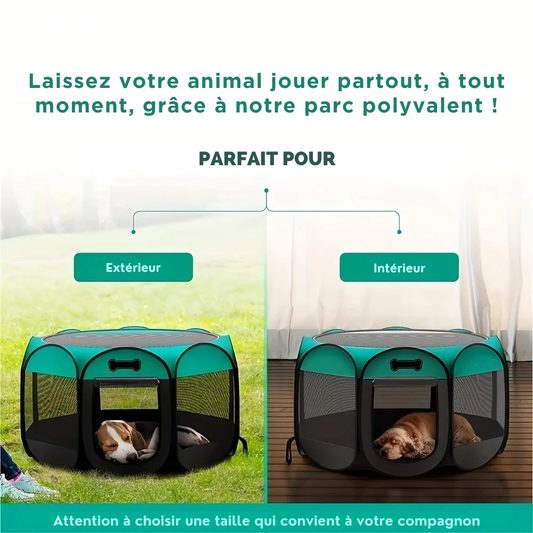
Giving your pet a suitable indoor dog house ensures its daily comfort. Whether the shelter sits in a corner of the garden or under a tree, some technical points deserve thought before buying. Carefully checking the material's durability, ease of use and the the right dimensions helps the structure last longer.
Which material should you choose for your dog's kennel?
The wood remains the favourite material for building a sturdy, good-looking dog kennel. A natural insulator, it protects well against temperature changes through the seasons. Some woods, such as pine, are treated to resist damp and insects over time. This toughness limits weather damage and extends the life of the garden shelter.
Another common option is waterproof plastic, which often offers a good balance of lightness, affordable price and easy care. Plastic models clean easily and don't mind rain or snow, but can sometimes hold heat less well, especially in winter in a pet hut.
Choosing the right size and inside layout
Before setting anything up, measure the size of your pet. The kennel must offer enough space for the dog to lie down comfortably, stand up and turn around without feeling cramped. Too much volume makes it feel colder in the low season, while a cramped shelter restricts movement.
Some models already include useful kennel accessories such as a draught flap or a raised floor to insulate against ground damp. Adding a mat or blanket improves warmth and makes regular cleaning of the pet house.
Why weather resistance matters
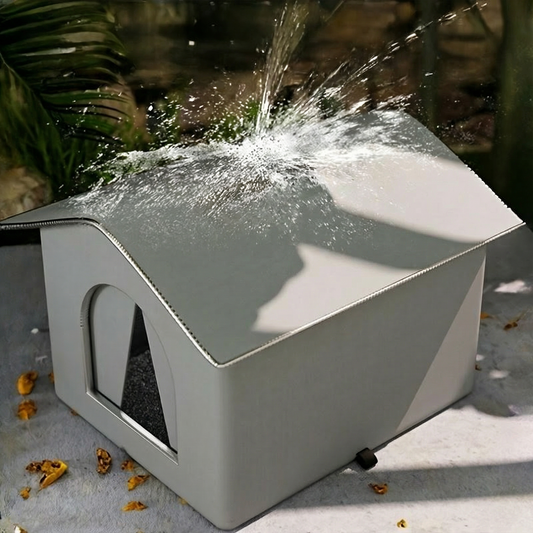
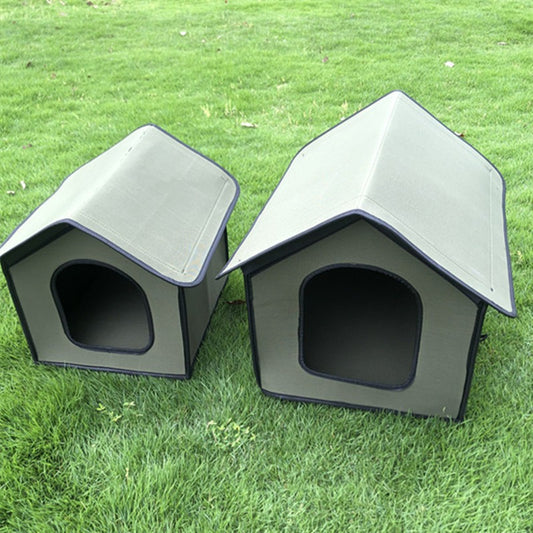
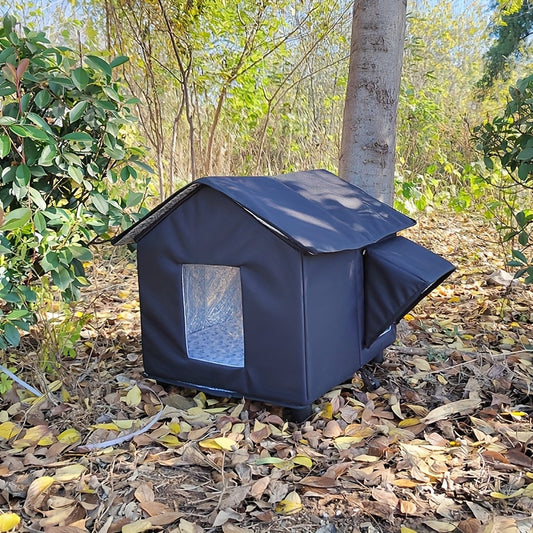
A garden shelter meant to stay outdoors all year round must offer excellent weather resistance. A sloping or shingle-covered roof protects the inside of the kennel from rain. Some kennels have side openings for airflow, essential in hot spells, along with removable shutters to keep water out in wet weather.
A protective finish such as wood stain or suitable paint extends the life of wood exposed to the elements. Even synthetic models sometimes need the seals between panels checking to stop water pooling and to keep the pet house in good condition long after it's first set up.
Cat houses and huts for small animals: which criteria matter most?
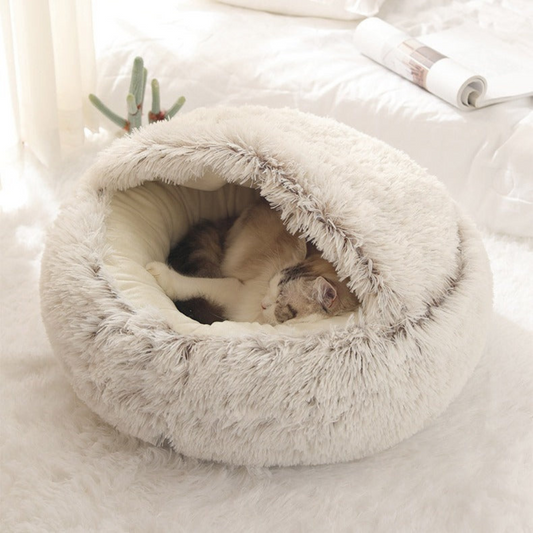
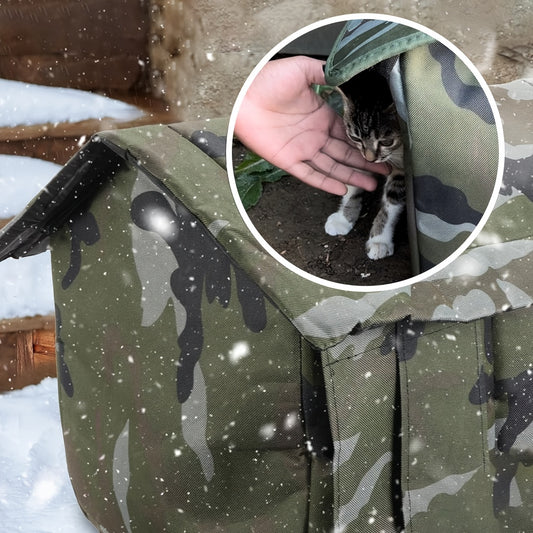
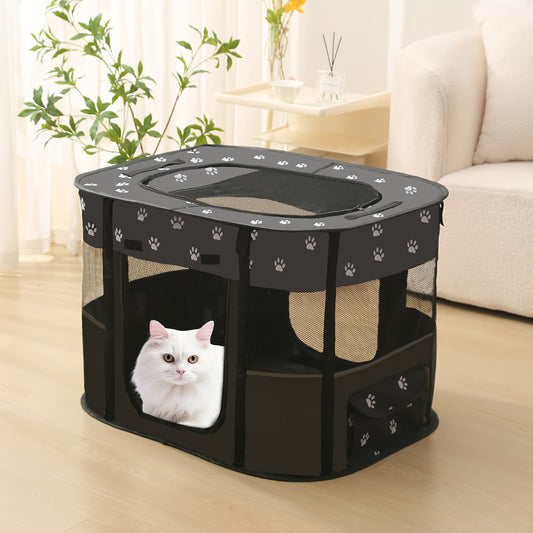
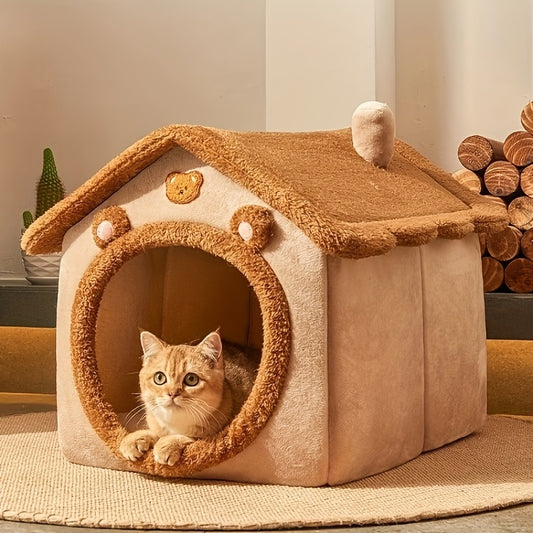
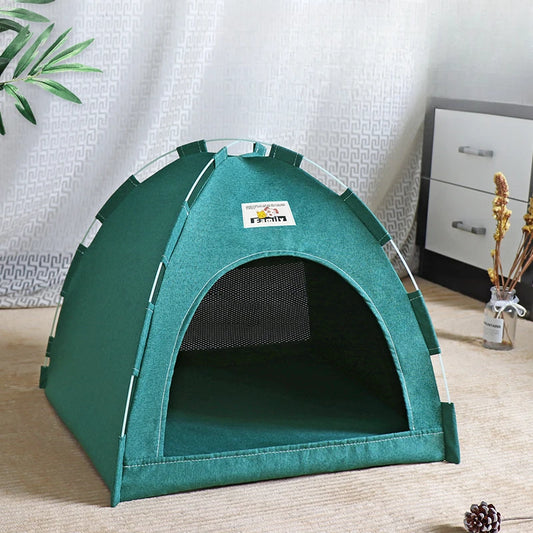
Most cats, like rabbits or rodents, enjoy the peace of an outdoor cat hut, mainly to watch their surroundings in safety. Adapting the shape, access and insulation to the species clearly improves the experience for the animal. Adding specific accessories quickly turns the pet hut into a cosy little haven. You can also choose a dedicated cat house to give your cat a space designed specifically for its physical and behavioural needs.
What makes a kennel right for cats
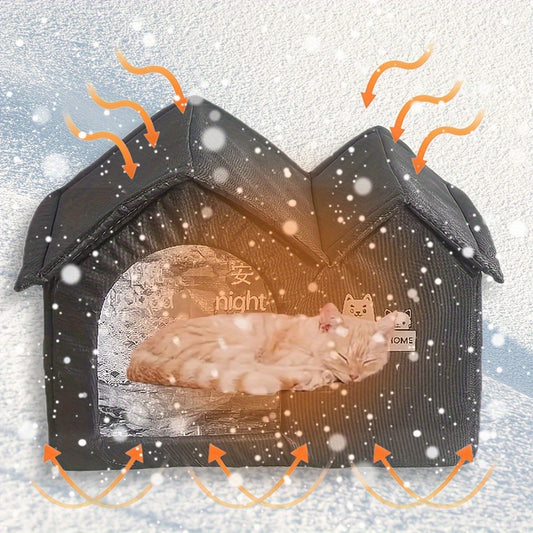
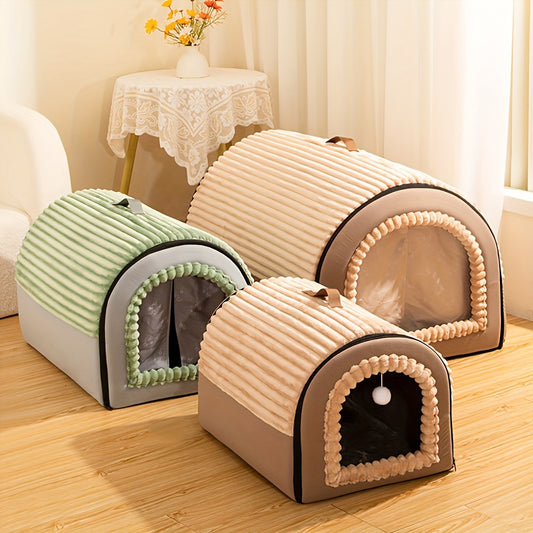
A cat house usually has a narrower door than a dog shelter, giving better protection from draughts and intruders. Many models have an upper level or platform for the cat to climb onto: this high-up access matches its natural instinct to watch.
There are even cat huts designed for several cats, with internal dividers and separate openings. Paying attention to the quality of the insulation remains essential, especially if the shelter is far from the house, at the bottom of the garden. A layer of foam or felt fixed inside prevents heat loss on cool nights.
Tips for a well-protected, multi-purpose hut
For the smallest animals, such as rabbits or guinea pigs, choosing a weatherproof hut protects their health. Doors with soft flaps provide ventilation during the day and safety from predators at night. Waterproofing the roof or adding an extra tarp ensures everyday use without nasty surprises, even in heavy rain.
A shelter with several compartments lets you separate the feeding area from the resting space, limiting scattered food and keeping the inside clean. Placing the hut on a slightly raised surface helps keep water out in heavy rain, while improving overall ventilation in the pet house.
Accessories and good habits to get the most from your pet house
Personalising the outdoor space set aside for your pet comes down as much to the choice of structure as to adding extra features. From a simple cushion to a sealed cat flap, every accessory makes garden life more pleasant and adapts the pet house to every season. Regular care also helps these outdoor set-ups last.
Which accessories are essential for an outdoor kennel?
As well as insulating linings and washable mattresses, some kennel accessories are especially recommended for an outdoor kennel or hut. Non-slip bowls prevent accidents from sudden movements. Secure closing systems stop other animals in the neighbourhood getting inside the garden shelter.
In summer, a bowl of fresh water by the entrance encourages drinking. In winter, go for self-heating mats or a low-voltage heat lamp to help keep the inside temperature stable. These set-ups must always respect your pet's safety, avoiding any direct contact and any overheating of the indoor dog house or cat house.
Good care habits and where to place the shelter
Regularly cleaning the floor and walls of the indoor dog house or cat house prevents parasites or mould, especially in a structure made of wood. Using gentle products avoids any chemical harm to your pet's health. Checking the roof and corners often lets you quickly repair any leak or crack.
Location plays a key role: placing the pet house out of the prevailing wind reduces exposure to gusts. Facing south brings more light and naturally warms the inside during the coldest hours. If possible, place the shelter on a slab or base to protect it from run-off and ground damp, so it holds up better over time.
In short: Choosing a indoor dog house, a outdoor hut for a cat or a shelter for small animals means carefully considering the material, weather resistance, size, accessories and upkeep. A well-chosen, well-kept shelter gives your pets comfort, safety and peace of mind, whatever the weather outside.
Want to give your pet the very best? Discover our collection of dog and cat accessories, made for every garden and every taste!
It comes as cat house and outdoor cat house, to choose according to use. This range sits alongside indoor dog house, indoor dog house and outdoor cat house, often bought together. And our cat accessories cover everything that isn't here.