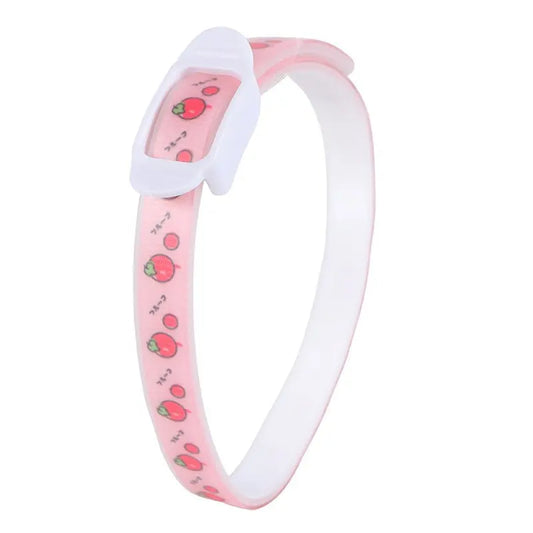
How do you choose an effective flea collar for dogs and cats?
Fighting parasites quickly becomes a priority when you share your daily life with a pet. Both dogs and cats can easily be infested by fleas or ticks, especially at certain times of year. To give long-lasting protection to your companion, choosing the right flea and tick collar makes all the difference. This type of accessory usually promises continuous preventive action that's easy to use and suits all kinds of dogs and cats. Understanding how it works, how to choose it and how to look after it supports your pet's wellbeing and limits the spread of parasites in your home.
How a flea collar works
The flea collar for a dogs or cats is designed to act as a repellent or killing barrier against the main external parasites: fleas, ticks and sometimes mosquitoes or lice. Used regularly, it limits the risks linked to bites and helps protect your pet for several weeks without repeated product applications.
This device comes in several versions depending on how it works (chemical or natural) and the formula used (repellent or insecticide). Some models are designed specifically for use on dogs or cats, while others suit either, adapting to different lifestyles.
Which active ingredients protect your pet effectively?
The classic flea and tick collars gradually release chemical agents that spread across the whole coat. These substances work either by repelling parasites ( repellent action), or by killing them on contact ( insecticide action). Most offer long-lasting protection, up to 7 or 8 months depending on the product. This level of effectiveness gives owners peace of mind while reducing how often treatment is needed.
For those who prefer to limit exposure to chemicals, there are also natural collars that mainly use essential oils or materials such as amber, the EM ceramic or lava stone. Their strength varies with the parasite strain and living environment, but they're an interesting alternative for young animals or those with sensitive skin.
Pros and cons of a long-lasting solution
The main advantage is simplicity: putting on a flea and tick collar requires no complex technique or special vet visit. Your pet keeps its habits, especially if the model is water-resistant or fully waterproof. Unlike spot-on treatments or sprays, no weekly application is needed, which makes everyday life easier.
However, some animals don't tolerate wearing a collar continuously, or develop skin reactions from prolonged contact with certain active ingredients, whether chemical or natural. So it's essential to check the neck regularly and tailor the choice to each animal, for comfort and safety. To further protect your pet against these risks, a Breakaway cat collar is a worthwhile option, especially for animals with outdoor access.
Choosing a flea and tick collar: key criteria
There's a wide range of flea and tick collars for all sizes and ages, whether for a puppy, an adult cat or a senior pet. Looking at each model's features, including big brands such as Seresto, Scalibor, Beaphar, Biovetol or Canishield, helps you pinpoint the best solution for your companion.
Matching the collar to age and build
To make sure it works, always choose a size that matches your pet's weight and neck size. A collar that's too loose or too tight may not work and can be uncomfortable. Most makers offer adjustable models to suit a puppy or large kitten as well as an adult animal. Always follow the weight or age guidance on the packaging to keep your pet safe.
Some collars are explicitly designed for every growth stage, while others target specific ranges. For the best safety, go for a device that grows with your pet, especially in the first months, to keep up with fast-growing young animals.
Active ingredients: chemical or natural?
Using chemical compounds generally provides long-lasting protection that's reliable, especially for pets that spend a lot of time outdoors. However, interest in natural alternatives is growing, particularly among owners mindful of their companions' overall health. The natural collars based on essential oils or containing specific stones such as EM ceramic or amber appeal for their gentleness and respect for the skin's natural balance.
Before buying, always consider any allergies or intolerances, as well as your pet's lifestyle. A city setting, less exposed to parasite hotspots, may justify a gentler or purely natural collar, while country life often calls for stronger action.
Water-resistant or waterproof collar: a key criterion?
Rainy walks, summer swims or simply grooming: our pets are often exposed to moisture. Choosing a water-resistant collar ensures consistent action, even after a bath or in the rain. This boosts overall effectiveness by preventing the premature loss of active substances.
A fully waterproof model soon becomes essential for dogs who love swimming or cats with outdoor access. It also means replacing it less often, bringing more convenience and peace of mind to active owners.
Care, monitoring and good everyday habits
Fitting a flea collar takes a few simple steps to keep the product effective without neglecting the health of your dogs or cats. Regular care, combined with an eye on your pet's behaviour and appearance, helps avoid discomfort and unwanted side effects.
Monitoring and adjusting by season
Parasite activity peaks in the warmer months, but infestations remain possible all year round in mild or humid environments. Watching for itching or visible parasites lets you react quickly and replace the collar as soon as its effective period comes to an end.
For prevention, alternating different approaches – anti-parasite collar, spot-on, hand-checking the coat – boosts the fight against parasites and keeps living with young children or other vulnerable animals safe.
Cleaning, care and safe handling
A anti-parasite collar generally copes well with play, dust and country walks. Even so, a gentle monthly wash (unless the manufacturer advises otherwise) is enough to stop dirt building up and irritating the skin. Regularly checking the fastening keeps the accessory firmly in place and avoids injuries during lively outings.
Avoid fitting it directly on already damaged skin or on a wet coat just after a bath. Putting it on a dry coat helps the active ingredients adhere and spread for longer, while keeping your pet comfortable.
Combining with other parasite treatments: what to watch for
In cases of high exposure (several pets, wooded areas, summer months), combining several parasite control methods may make sense. Adding an oral supplement or a natural powder often improves overall protection, provided you check that the substances don't interact.
Any new addition to the routine should come with close observation of how your pet reacts. A tailored approach maximises the benefits while avoiding unnecessary risks.
Choosing a flea and tick collar suited to your dogs or cats supports their wellbeing over time and protects the whole family from parasite problems. Explore our collection of accessories for dogs and cats to give your companion the best protection every day.
This page is part of our cat collar range. For the same need, also take a look at flea collar for dogs, flea comb for cats and breakaway cat collar. For everything else, it's all in our cat products.