How to choose and use the right car harness for your needs?
The car harness has become an essential accessory for safety on the road, whether on daily journeys or more specific trips. Whether it's holding a pet in place, keeping a child comfortable or protecting a driver on the track, each use calls for the right type of car safety harness. Choosing the right equipment is vital, as features differ depending on the user and the setting. This guide helps you choose a suitable harness, explains its different uses and gives care tips for optimal safety on every journey.
Car safety harnesses: which types for which uses?
The car safety harness isn't limited to sports models built for racing. There are various types designed for people, pets or children in different situations. A good harness should offer both a secure hold and optimal comfort, while meeting strict current standards. The number of attachment points – 3, 4, 5, 6 or even 8 – directly determines the level of support and protection.
Some situations call for a careful choice of harness. For maximum effectiveness, go for an FIA-approved harness for racing, a dog car harness for transporting pets, or a support harness suited to reduced mobility. If you're looking for equipment designed specifically for small dogs, discover the collection Small dog harness, which meets the comfort and safety needs of their build.
What's the difference between 3, 4, 5, 6 and 8-point harnesses?
Each type of car harness stands out mainly by its number of anchor points. A 3-point harness is often a stronger alternative to the standard seat belt, giving better chest and abdominal support. 4-point harnesses are preferred in rallying or on the track for holding the driver firmly in the seat.
The 5, 6 or 8-point harnesses add extra straps, sometimes between the legs or at the pelvis, increasing stability under sudden deceleration. This setup offers greater protection, especially against violent impacts, but can be slightly less comfortable over long periods. These versions are mainly used in motor racing or for some people with reduced mobility who need specific support.
Specific uses: from people with reduced mobility to children
There are also support harnesses for people with reduced mobility designed for travel in a vehicle. They are built to support without excessive pressure, preserving posture and allowing some freedom of movement. The aim is to combine safety, comfort and adaptability to particular needs.
The child car harnesses meet precise requirements for body size and weight. They are an ideal complement to the car seat, limiting sudden movements when braking or in an accident. Some models attach directly to the seat belt, while others fully wrap around the child for extra support.
Which dog car harness should you choose?
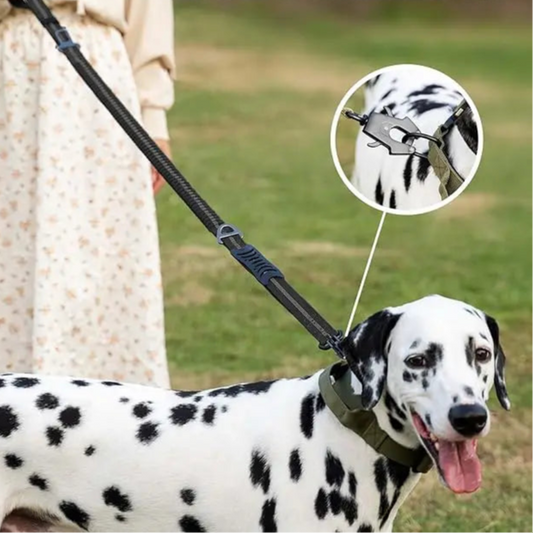
The transport of pets calls for special measures that are too often overlooked. Using a dog car harness not only keeps your dog safe but also protects all passengers. A pet left loose in the car can be a serious risk in a sudden stop or crash, for itself and for the people on board.
Each dog safety harness is designed according to the size, build and temperament of the dog. A well-fitted model stops the dog from jumping, tipping over or getting hurt, while letting it move enough to stay comfortable on the journey.
How to choose a car safety harness for dogs
Fit around the dog's body is key. A harness that's too loose won't protect effectively, while one that's too tight could restrict breathing or cause irritation. Go for equipment with sturdy fixings and reinforced stitching, able to withstand strong tension in a crash.
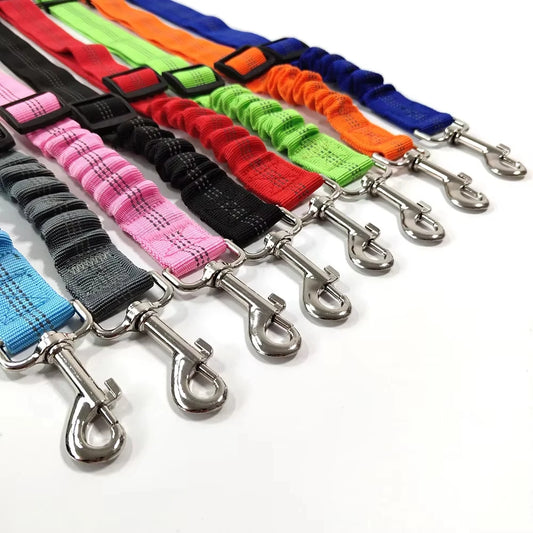
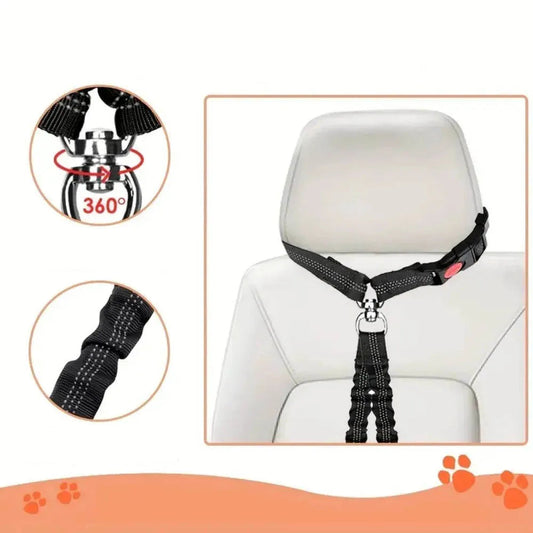
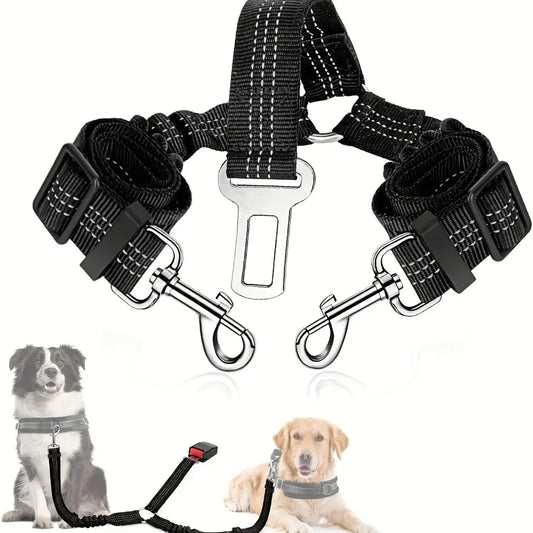
Some products include car harness accessories, such as an adjustable tether that clips onto the seat belt. This adds safety without making installation more complicated. Secondary criteria include ease of cleaning and compatibility with different vehicles, which make everyday use easier.
The real benefits of a dog car harness
Choosing a dog car harness makes journeys simpler and reassures both owner and dog. It makes getting in and out of the vehicle easier while reducing travel stress. Wearing the harness quickly becomes a safety habit for the whole family.
In an emergency manoeuvre, the safety harness acts as a reliable anchor point, stopping the dog from being thrown around inside and avoiding risks for passengers. Check the harness regularly, especially after an incident or heavy strain, to keep it effective for longer.
Fitting and caring for car harnesses for lasting safety
The effectiveness of a car safety harness depends as much on build quality as on proper fitting and regular care. Careless fitting greatly reduces the expected benefits. Careful monitoring, on the other hand, extends the life of the harness and keeps it highly resistant.
Improper use or a lack of regular checks can lead to dangerous failures. Inspecting the stitching, checking that the straps are supple and carefully cleaning the harness components are essential steps to stay safe.
How to fit an FIA-approved or standard harness correctly?
Installing a FIA-approved harness or a standard model always starts with carefully reading the manufacturer's instructions. It usually involves securely fixing the attachments to the vehicle's anchor points, then adjusting each strap to the user's build or the dog's size.
It's crucial to avoid any crossing or twisting of the straps, which would significantly reduce performance in an accident. Testing the tension and doing a few static checks make sure everything works properly. For models designed for motorsport, a check before every use is essential to meet FIA standards.
Regular care and checking of car harness accessories
Good care means hand-cleaning the fabric parts with gentle products to remove dust and dirt that could weaken the fibres. You should also check the condition of the buckles and locking mechanisms, which can become weak points if damaged.
Also keep an eye on car harness accessories, such as strap guides or extensions, which should be inspected regularly. If you see visible wear, replace them straight away. Finally, storing the harness away from sun and damp helps it keep all its mechanical properties over time.
In short, matching your choice of harness to the context, following fitting instructions closely and checking it regularly are the keys to safe use, whether on the road, for a pet, a child, a person with reduced mobility or in competition. Feel free to explore our collection of car harness accessories to complete your kit and travel with peace of mind with your four-legged friends or loved ones.
This page is part of our dog harness range. It sits alongside dog car seats, often bought together. For everything else, see our dog products.