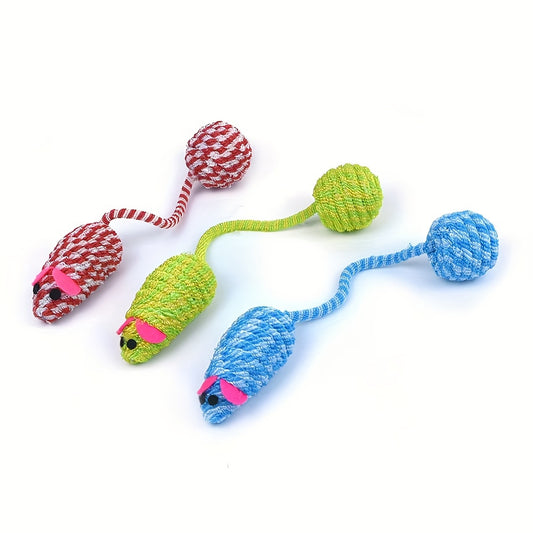
Cats spend much of their day dozing, but once awake they need interaction to avoid boredom. A bored cat can develop unwanted behaviour such as scratching furniture or becoming listless. Owners are always looking for ways to stimulate their companion in a fun, effective way that suits its natural needs. Find out how a cat toy for boredom really contributes to your cat's wellbeing, which types to choose and which tips make it easy to vary the fun.
To find out more, also explore all our cat toys and interactive cat toys.
Why fight boredom in cats?
A house cat usually has a limited territory, especially in a flat. Even with several lookout points or cat trees, this isn't always enough to satisfy its hunting instinct. Stimulating your cat helps preserve its mental and physical health. Boredom can lead to behavioural problems, low mood or weight gain.
Several studies highlight that regular play sessions help prevent some illnesses and strengthen your bond with your pet. Play channels its energy, sparks its natural curiosity and offers a healthy outlet for its instincts. Offering a variety of interactive toys or puzzle games quickly becomes essential to your cat's wellbeing.
What types of cat toys help fight boredom?
The range of cat toys on the market has changed a lot in recent years. Each category meets specific needs and offers different levels of stimulation. Regularly rotating the toys on offer keeps your cat interested and stops it getting bored.
Some items encourage physical exercise while others work more on thinking skills or the hunting instinct. Alternating between treat-dispensing toys, cat plush toys and ball tracks encourages healthy daily activity, even indoors.
Interactive toys: why spark curiosity?
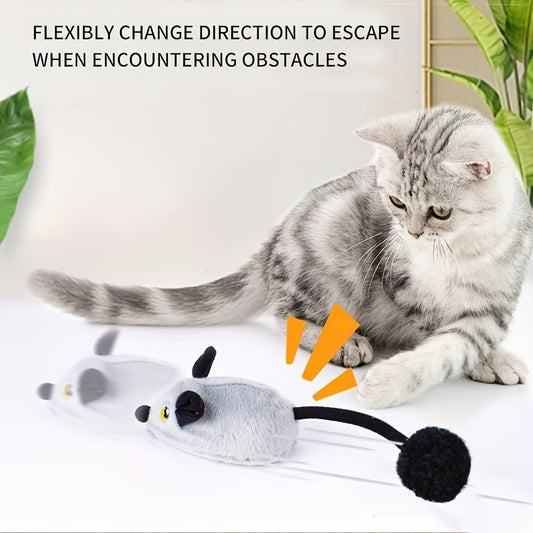
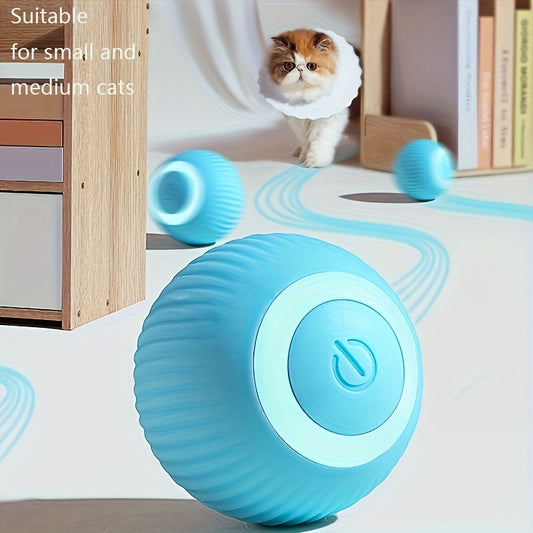
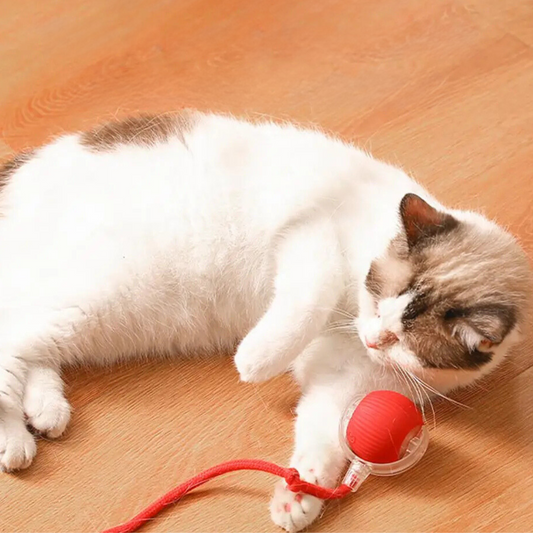
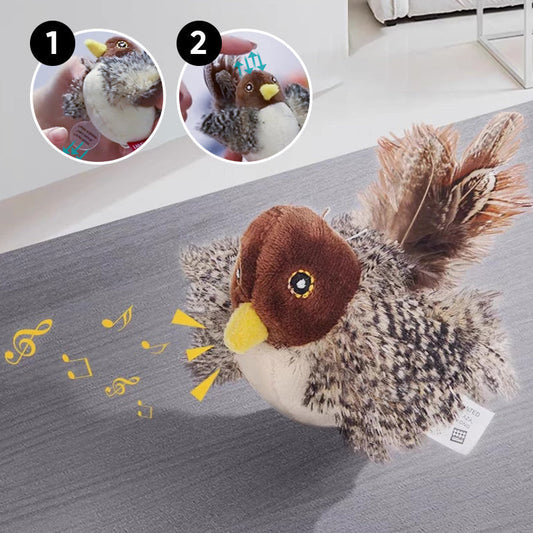
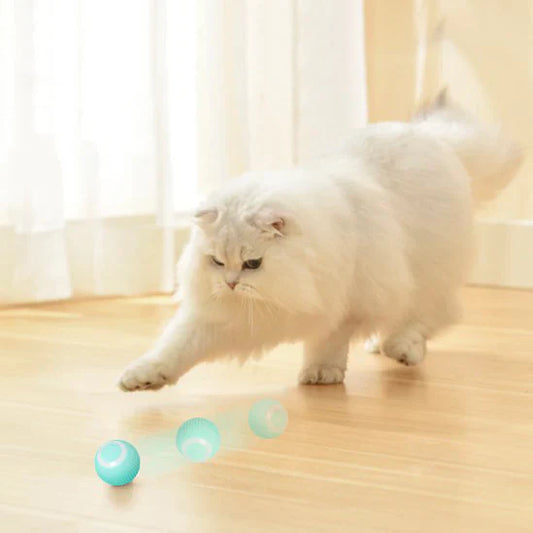
The interactive toys hold a cat's attention for long periods. They move on their own, spring surprises or trigger a mechanism in response to the cat's action. Some models make sounds or roll across the floor, imitating fleeing prey. This constant stimulation invites your cat to play alone even when you're not available.
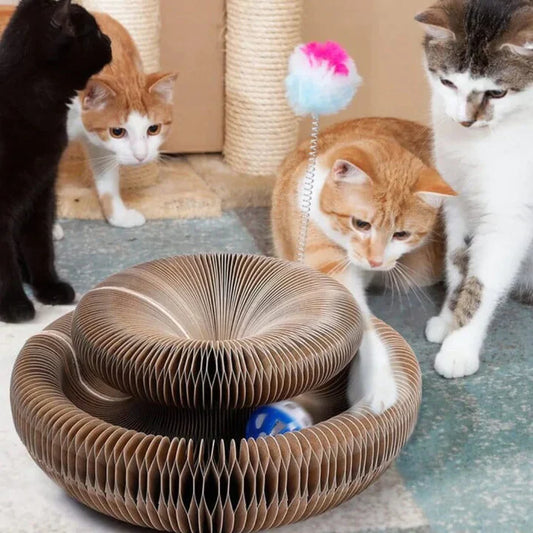
Investing in interactive toys helps beat the monotony of an indoor cat's daily life. To keep the fun going, it's best to alternate and bring out different kinds of games on different days. That way, no toy sits unused or ignored for too long.
Brain games and food puzzles: motivating your cat's brain
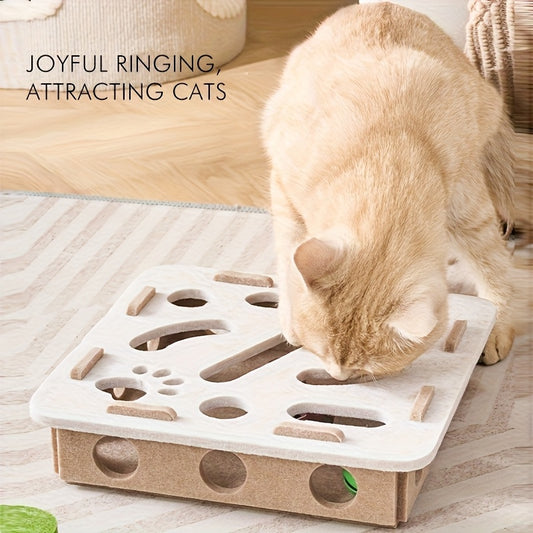
The puzzle games often consist of boards, mazes or devices to handle that release a reward when a puzzle is solved. It might mean rolling a ball to knock a kibble out of a hole, moving a lid, or using paws to extract a hidden treat.
This type of puzzle toy builds patience and reflection and keeps your feline friend sharp. Many cats come to enjoy their little daily brain challenges before treating themselves to a well-earned reward. It brings real satisfaction, puts their intelligence to work and greatly reduces the risk of prolonged boredom.
Toys that stimulate the hunting instinct
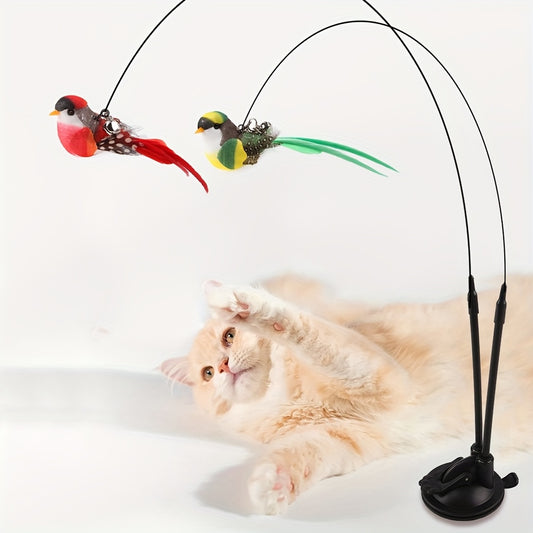
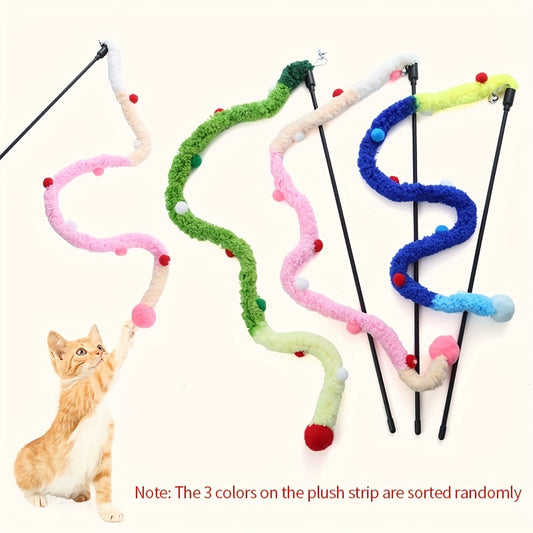
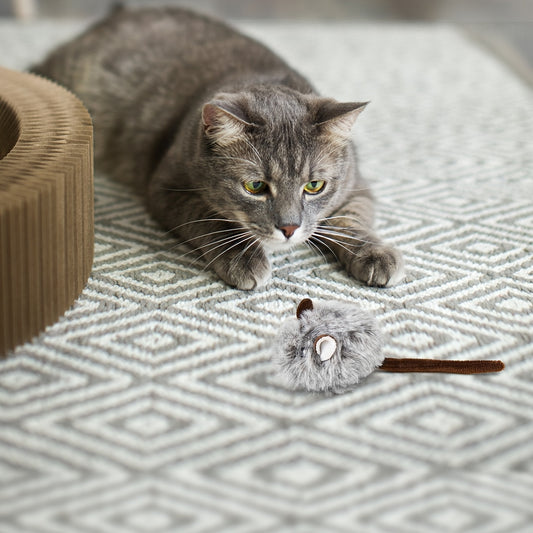
Different types of toys appeal directly to the cat's predatory instinct. These include the fishing rod toy, the feather wand and cat balls. A fishing rod toy with a feather or small mouse invites pouncing, leaping and focusing on a moving target, letting your cat burn off excess energy safely.
The cat balls, plain or with bells, bounce unpredictably and tease the interest of even the hardest-to-motivate cats. Finally, feather teasers perfectly mimic the speed of a bird or prey, offering intense moments to share with your pet.
Which toys to choose for your cat's temperament?
Understanding your cat's personality helps you pick the right toy. Some cats are curious about the slightest new object, others are very attached to their habits and may take time to accept a new game. Sometimes your cat prefers simple interaction, sometimes it adores treat-dispensing toys or elaborate puzzles.
Start by watching your cat's natural behaviour: does it like to run, climb, rummage or lie down and watch? Each of these preferences points you towards different categories of games. Rather than imposing, offer it several options.
Playful, active cats
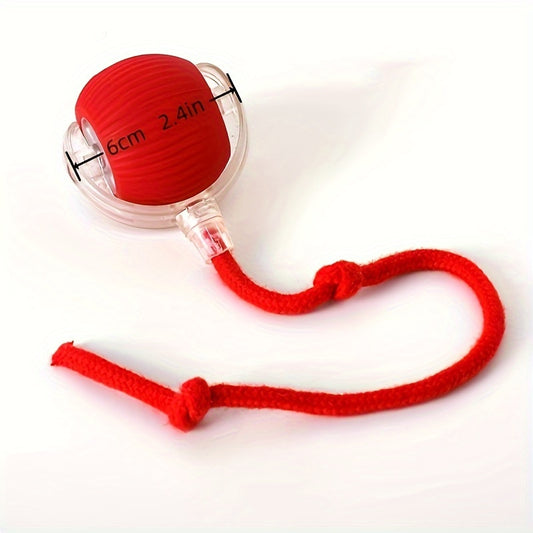
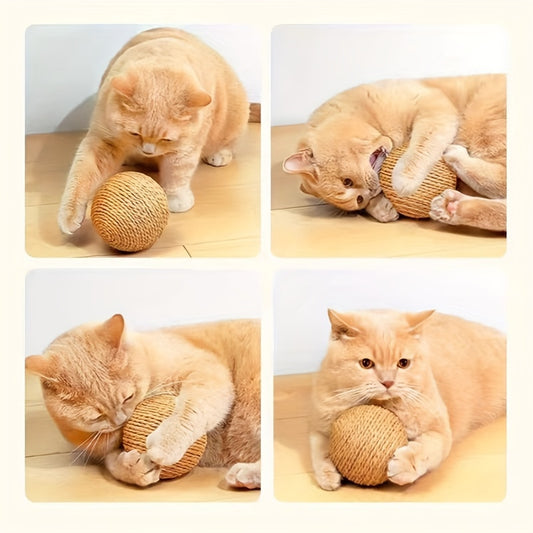
For cats bursting with energy, a selection of active toys is a must. The ball track is one of the great classics. This system of enclosed rails holds a ball that tempts your cat to chase it for hours, with no risk of losing it under the furniture.
Hanging accessories, such as Wand toys and feather teasers, spark the urge to chase and increase the number of daily workouts. Refresh accessories regularly to keep the excitement of play alive.
Shy or anxious cats
A shy cat will appreciate softer or still objects, easy to handle without intense physical effort. cat plush toys filled with catnip often win over these reserved personalities. The scent draws the cat in, and it can rub against the plush, nibble it gently or simply lie on it.
Also introduce lick mat that support the soothing routine of licking. Contact and self-grooming help reassure your cat, naturally easing its tension. Place these supports in various quiet spots around the house so your cat can choose its favourite.
How to renew your cat's interest in its toys?
Many cats get bored quickly once a toy becomes too familiar. To keep them motivated, hide some toys and only bring them out every few days. A little rotation always creates surprise, sparking fresh enthusiasm every time an old toy reappears.
Never leave all the toys out at once. A few products are enough, as long as you vary colours, textures and functions. By mixing different styles – interactive toys, puzzles, plush toys, feather teasers –, you ensure constant stimulation.
- Rotate the toys every week to keep the sense of discovery.
- Keep sessions short and frequent rather than one long play session.
- Sometimes mimic the behaviour of prey to boost your cat's interest, for example by suddenly moving the fishing rod toy or the ball track under a blanket.
- Spark interest by scenting the toy with a little catnip, especially toys that have been forgotten for a while.
The importance of time spent with your cat
Even the best technical innovations can't replace the pleasure of playing with you. Sharing a few active minutes every day not only strengthens your bond, it also makes your cat keener to use its toys on its own afterwards.
Go for short but frequent moments. Five to ten minutes several times a day is enough for real interaction and helps your cat's emotional balance.
Enriching your cat's environment with extra accessories
Play takes on a new dimension in a stimulating environment. Set up tunnels, perches or temporary hiding places around favourite toys to create new contexts. A simple cushion placed near the ball track offers a new lookout or ambush position.
Sometimes combine several accessories in the same area, such as a ball track next to a lick mat, to vary activities according to mood or energy levels. This flexible approach keeps your cat motivated all day.
Tips for making your own boredom-busting toys?
Making your own cat toys is a budget-friendly, personal alternative. Many everyday objects become a source of fun when repurposed: corks, toilet roll tubes, thick fabric bags or small cardboard boxes have untapped potential.
Think about adding attractive elements such as catnip inside homemade toys, or a few bells, to bring variety and surprise. Be careful, though: always check that the materials used are safe to avoid any risk of swallowing or injury.
- Punch holes in a box to turn packaging into a brain puzzle.
- Fill a sock with old fabric or catnip to create an irresistible plush toy.
- Tie a few straws together with a ribbon to make floating prey.
- Hide treats in tubes or gaps to work your cat's nose and patience.
Precautions when choosing a cat toy
There's no point investing in a high-end accessory if it doesn't suit your cat's build or character. Always watch how it reacts to a new toy. Choose sturdy, non-toxic materials, and check there are no small parts that could be swallowed.
Also take the opportunity to check the general condition of the toys around the house. Replace anything showing clear signs of wear, and frequently clean interactive toys or those containing treats.
Gradually getting used to new things
If your cat is wary of a new toy, bring it into their routine gradually. Leave it near their favourite resting spots or pair it with mealtime to catch their attention without stress.
Mixing gentleness with encouragement sparks their interest in a positive way. With a little patience, most cats end up loving new things designed just for them.
When should you see a vet?
In some cases, despite the variety of toys on offer, a cat may still be bored or show worrying behaviour. Loss of appetite, lethargy, self-harm or bouts of nervousness call for a professional's opinion. Sometimes medical follow-up is needed to rule out an underlying problem.
Paying attention to these warning signs lets you act quickly and stops chronic boredom from setting in for good.
Dreaming up a new play experience for your cat every day
With interactive toys to stimulate, puzzle games to challenge the mind, soft plush toys or ball tracks to captivate, the ways to keep your cat entertained are endless. Matching your choices to their temperament, refreshing their toys regularly and sharing special moments together are among the best ways to enrich your cat's daily life.
Varying your approach, sometimes adding a little extra appeal (catnip works wonders) or putting a lick mat where they like to settle adds even more variety to their days. Boredom then gives way to a balanced rhythm that keeps your four-legged friend endlessly curious.
This page is part of our cat toy range. It sits alongside interactive cat toys and cat comforter, often bought together. Our cat accessories cover everything else your dog needs.