Caring for a cat's coat is about much more than looks. Whether your companion has long hair or short hair, a cat brush quickly becomes an essential accessory for keeping them healthy and your home clean. Some people hesitate over the right tool or how often to use it, so it helps to go over the essentials for an experience that's pleasant for both owner and cat. Here is a complete overview of brushing and the solutions available to tame even the most unruly coats.
To find out more, also explore our cat brushes and grooming products and the cat toothbrush.
Why brush your cat regularly?
A few strokes of a cat brush does more than keep your pet looking neat. It helps with removing loose hair, reduces hairballs and strengthens your bond with your companion. Each brushing session also stimulates blood flow, benefiting the skin and the coat.
Regularity is key, especially when your cat starts shedding heavily as the seasons change. Some cats don't enjoy being handled, but there are now tools designed to make these moments less stressful for everyone.
The different types of cat brush
There's now a wide range of tools dedicated to coat care for cats. Depending on coat type and how sensitive the animal is, some models will suit better than others. Here are a few categories that come up often when talking about the cat brush.
Classic brushes and cat combs
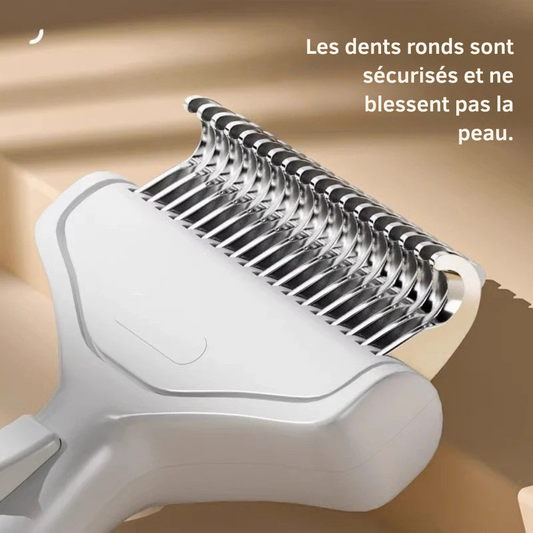
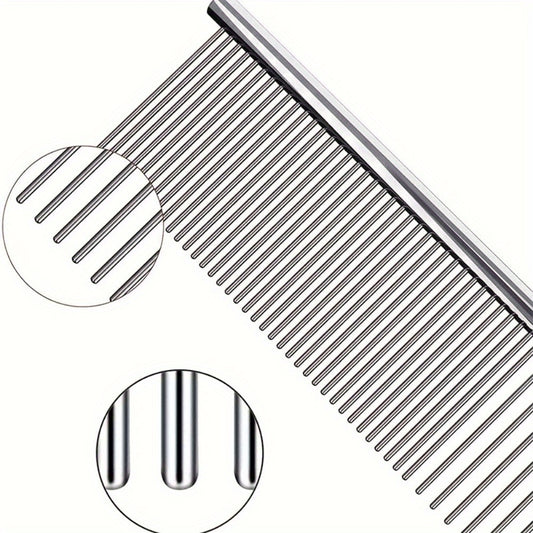
The cat comb remains the basic tool for any attentive owner. Usually made of metal or plastic, it detangles the coat, removes knots and works through the undercoat. Fine-toothed versions work just as well on long hair as on short hair, but take care not to pull too hard on sensitive areas.
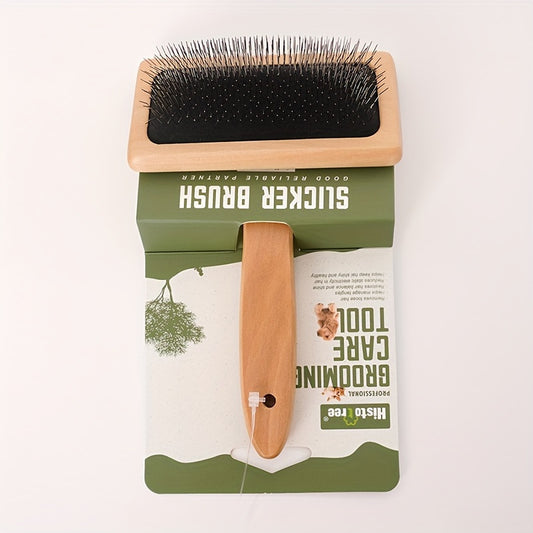
The classic brush usually comes as a flat brush with soft or firm pins. Everyone picks their pet's favourite model depending on how they tolerate different sensations. The key thing: always favour gentleness to avoid hurting your cat's skin.
Double-sided brush, grooming glove and self-cleaning brush
For those who want more versatility, the double-sided brush does two jobs: one side smooths the coat, the other helps remove loose hair. This combo is handy if you want to save time or vary things depending on the area you're working on.
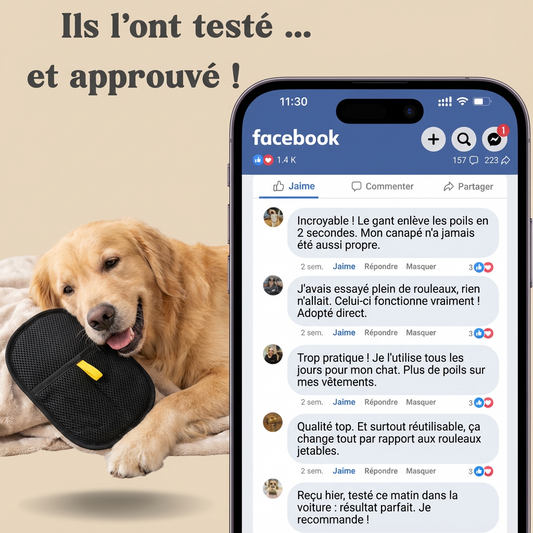
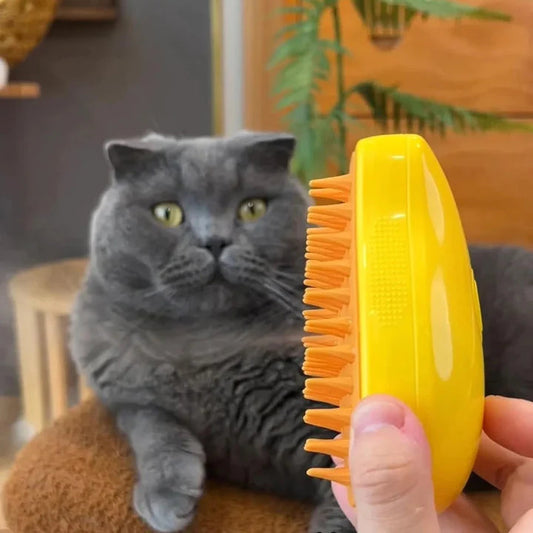
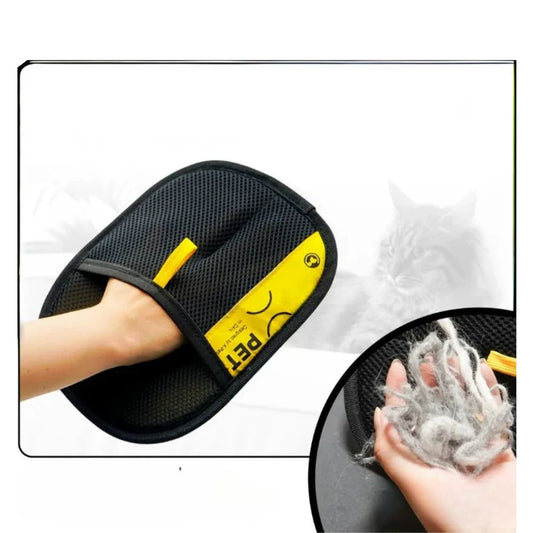
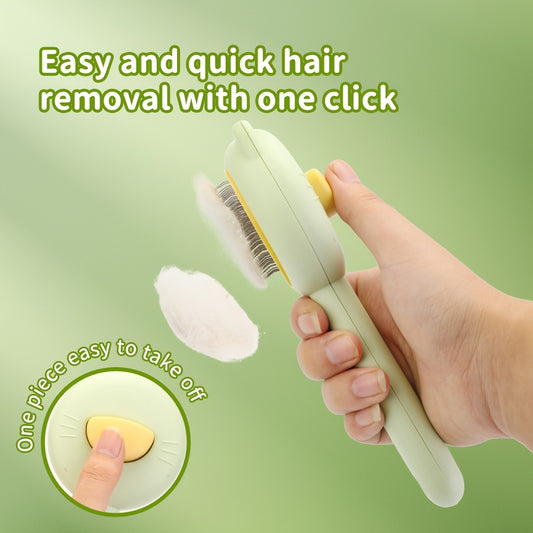
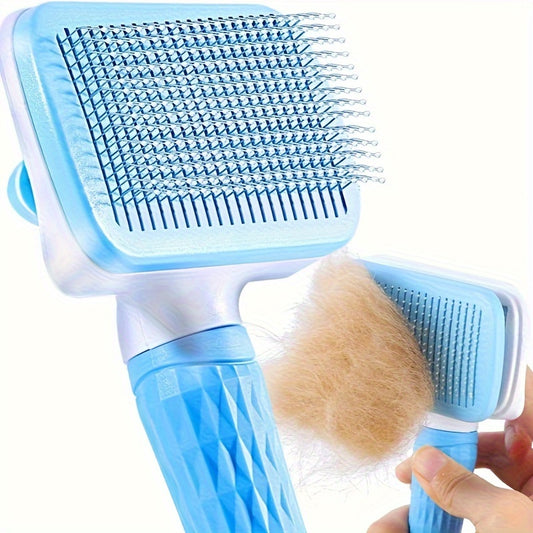
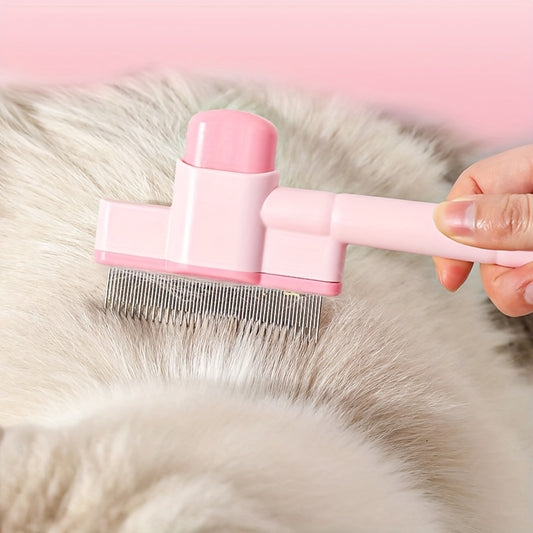
Among recent innovations, the grooming glove is a big hit with wary cats. You slip it on like an ordinary glove and can stroke your pet while easily picking up hair! As for the self-cleaning brush, it has a system that ejects loose hair with a simple press or twist: no more cleaning it by hand after every session.
- Cat comb for gentle detangling
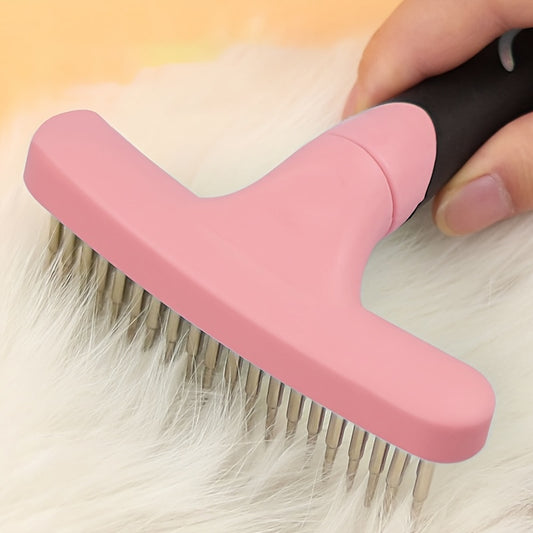
- Cat brush with soft or metal pins
- Double-sided brush for complete care
- Grooming glove for nervous cats
- Self-cleaning brush for easy use
Choosing the right brush for the coat type
The secret to coat care that works lies in matching the tool to the type of hair. A Persian or Ragdoll won't have the same needs as a short-haired domestic cat. Choosing the right cat brush is essential for comfort and the best results.
If a dog shares your home too, our article on cat and dog brushes compares each one's needs by coat type.
Long hair: which tools work best?
Cats with long hair generally need more attention. Their brushing should be frequent, sometimes daily during moulting season. A metal comb with wide-set teeth is perfect for detangling without pulling out too much hair.
A long-haired cat brush with long pins reaches the undercoat and prevents knots from forming. Many also opt for the double-sided brush : the softer side tames the coat after detangling, while the other efficiently removes any remaining dead hair left behind.
Short hair: does it need as much brushing?
People rarely think of brushing cats with short hair, yet they also deserve regular attention. Their coat collects dust and pollutants, especially if they live outdoors. A soft brush, or even a grooming glove, helps keep the coat glossy while removing loose hair that would otherwise end up all over the house.
Less prone to knots, these cats still benefit from a weekly session with a cat brush to stimulate their skin and keep the coat thick and healthy. Don't forget this is also an ideal moment to check for any parasites or skin lesions.
How do you care for the coat without stress?
Brushing your cat can be a challenge, depending on their mood and habits. With a few simple tips, brushing will gradually become a shared ritual. Patience, observation and gentleness lay the foundations for a successful routine.
Building a positive routine
Most cats quickly get used to the feel of the cat brush if it becomes part of a stable routine. Keep sessions short at first, perhaps paired with a treat or a toy. This builds a positive association from an early age.
To start or end the session with a bit of play, a mouse or caterpillar from our plush cat toys does the trick.
Some prefer calm moments, while others will enjoy brushing that's more vigorous, especially after play. Watch your pet: their reaction will guide your technique and the tool you use, whether a cat comb, grooming glove or a more traditional brush.
Avoiding brushing mishaps
A few simple precautions prevent plenty of disappointments. Run the brush in the direction of the hair and stop if you meet too much resistance: this prevents hair breakage and stress for your cat. Always keep a self-cleaning brush within reach to speed up sessions and make the process more pleasant.
Using a wide-toothed comb helps you get ahead of matting on cats with long hair before it needs painful or professional intervention. Paying particular attention behind the ears, under the legs and on the belly often pays off: these areas tend to tangle quickly in some cats.
How often should you use a cat brush?
The ideal frequency mainly depends on the coat type and your cat's lifestyle. But there's no need to turn every day into a grooming marathon! A few guidelines help you find the right rhythm.
During moulting season, a daily pass with a cat brush helps limit excessive shedding of dead hair onto the sofa or your clothes. Outside these seasonal peaks, weekly brushing is enough for most cats with short hair. For breeds with long hair, planning three to four sessions a week keeps the coat tangle-free and gleaming.
Practical tips for more effective brushing
Even though every cat has its own preferences, some methods increase your chances of a coat that's glossy and healthy. Stacking the odds in your favour also means choosing innovative, well-designed accessories.
Using several complementary tools
Alternating accessories gives better results. For example, combine a double-sided brush to dislodge deep-down dirt with a grooming glove for the finishing touch. This varies the sensations for your cat and greatly improves coat care.
The fine-toothed combs fit perfectly into this toolkit for tracking down residue trapped close to the skin. As for models that are self-cleaning, they save time when removing loose hair, especially on cats that shed heavily.
Taking time to check the skin and spot any problems
The brushing becomes a special moment to check on your cat's health. Look out for red patches, scabs or parasites that could signal a problem. Sudden changes in the texture or amount of hair should ring alarm bells and sometimes warrant a trip to the vet.
This preventive check happens naturally during each session: make the most of it with gentle massages that help your cat relax while you look after their overall wellbeing.
Towards more independence: the role of innovative accessories
Coat care keeps evolving with ever more ergonomic tools. While the hand-held cat comb still dominates, new accessories appeal to anyone looking for simpler alternatives.
Among the notable innovations, the self-cleaning brush wins people over with its practicality, especially when your cat leaves a lot of hair behind. Ultra-easy to empty, it encourages regular brushing by cutting down on cleaning chores. In the same way, the grooming glove is a fun alternative for working this step into the daily routine, without forcing or upsetting your pet.
By choosing the right approach and the tool best suited to your cat's build, everyone can strike the right balance between effectiveness, enjoyment and peace of mind.
This choice is part of our cat brushes and care range. It sits alongside flea comb for cats, dog brush and dog grooming, often bought together. And our cat accessories cover everything that isn't here.