How to choose the right cat brush for your cat's coat
Regular grooming plays a key part in the health and well-being of cats, whether they have short hair or long hair. Brushing a cat isn't just about a beautiful coat: it prevents knots, reduces the amount of dead hair swallowed and strengthens the bond between owner and pet. There are several types of tools designed for coat care, such as the cat brush, cat comb, the slicker brush or the grooming glove. With so much choice, it can be hard to pick the ideal tool for effective detangling and a optimal removal of dead hair. Knowing how to choose and use these tools lets you give your companion gentleness, comfort and hygiene every day.
What to look for in an effective cat brush
Choosing a cat brush that suits your cat takes some thought. Several factors come into play to meet each animal's particular needs. By making the right choice, you make grooming enjoyable and look after your cat's coat health at the same time.
Why does your cat's coat type matter?
Every cat has a unique coat that needs specific attention. Short-haired cats usually do well with a quick session using a soft slicker brush or a grooming glove, while breeds with long hair often need thorough detangling with a brush with metal pins to reach the undercoat. Adapting the cat brush to the coat makes brushing comfortable and limits the risk of injury.
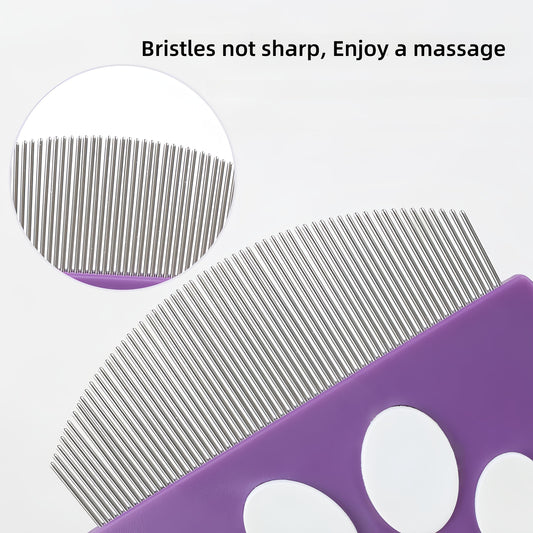
It's also important to check the thickness and density of the coat to choose the best accessory. Some cat combs with wide teeth make it easier to remove knots on sensitive areas such as the back and belly. To keep parasites at bay while detangling effectively, using a Flea comb can be doubly useful. For cats that shed heavily, a cat slicker brush is great for collecting dead hair while being gentle on delicate skin.
Why comfort matters when brushing
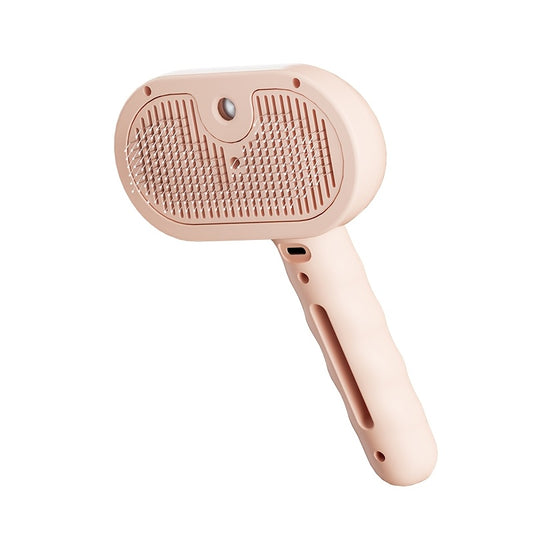
Brushing a cat takes patience and a gentle touch, but also a tool suited to the sensitivity of your cat. Brushes with soft pins reduce pulling and make brushing more pleasant, especially for nervous cats or those with reactive skin. An ergonomic handle gives a better grip and makes it easier to reach awkward areas.
Using a brush of the right size avoids discomfort when brushing the back, tail or behind the ears. Some accessories, such as the grooming glove, are perfect for cats that aren't used to traditional grooming. This type of glove feels like being stroked while actively helping with the removal of dead hair and loose undercoat.
Which materials last longest?
The lifespan of a cat brush depends mainly on the materials usedThe metal pins are ideal for deep detangling, while soft plastic pins are gentle on fine coats. Some models combine several materials for strength and flexibility, depending on the part of the body being brushed.
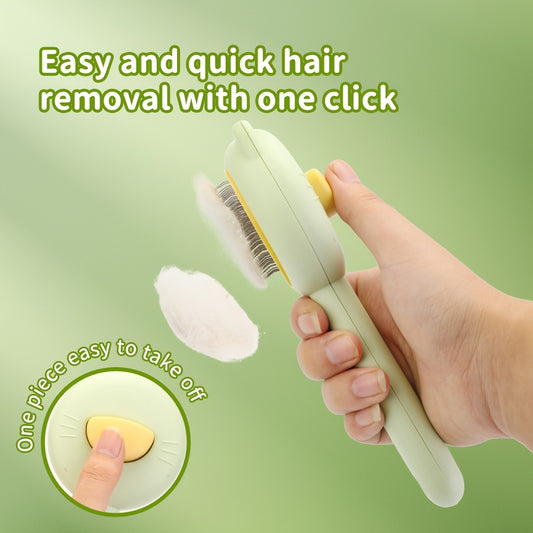
How easy your tools are to look after should also guide your choice. Go for brushes that are easy to clean, which don't trap too much hair. Make sure the slicker brush, cat comb or glove can stand up to regular use without losing effectiveness. Weekly cleaning extends the life of each tool and ensures healthy coat care.
How to use a comb, slicker brush and grooming glove effectively
A successful grooming session relies as much on using the right tools as on regular care. Handling the cat brush and its companion tools properly contributes to your cat's well-being and a beautiful coat. A few simple steps are enough to build a soothing, beneficial routine.
The steps to a thorough, stress-free brush
Take time to get your cat used to being handled, then slowly run the cat brush over the sides and back, adjusting the pressure to what your cat will tolerate. For long hair prone to knots, start by removing surface tangles with a gentle slicker brush, before using a wide-toothed comb to detangle the undercoat.
Carry on brushing under the neck, the chest and the base of the tail. Pay special attention to sensitive spots such as the backs of the legs or the armpits, using a grooming glove or a brush with soft pins to avoid any pain and turn the moment into a positive experience for your cat.
Tips to cut down on cat hair around the house
A regular coat care routine noticeably reduces the amount of hair left on furniture and clothes. Regularly using a cat slicker brush lets you catch dead hair before it falls out naturally. This is especially useful during moulting season, when shedding increases.
To finish off the brushing, wipe over with a damp glove to pick up the last loose hairs. Make the session fun with treats or encouragement: your cat will link grooming with a pleasant moment, making it easier to build a lasting routine.
What to do about matted fur or stubborn knots
When faced with a stubborn clump of hair, be patient and avoid pulling so you don't irritate the skin. Use a sturdy metal comb, holding each strand close to the root to reduce tension. Gentleness and perseverance are key to working out tight knots without hurting your cat.
If detangling becomes too painful or impossible, it's best to see a professional groomer. They have the right equipment and know how to free knots without traumatising your cat or damaging its precious coat.
How to look after your cat brush and keep grooming hygienic
Keeping grooming tools spotlessly clean is essential to protect your cat's skin and keep your tools working well. Regularly cleaning your cat brush, comb, slicker brush or grooming glove is an essential part of coat care.
When and how to clean the different cat brushes
After each session, carefully remove the built-up hair from the cat brush or grooming glove. For plastic or metal models, a monthly wash in warm soapy water dissolves dirt and germs. Always let your tools air-dry to prevent rust and mould.
For an occasional disinfection, wipe the metal pins or soft pins with a suitable solution. This keeps the brush effective while making the next brushing comfortable. Remember to apply this routine to combs and slicker brushes too, especially if several cats share the same home.
Tips to make your grooming tools last longer
Store your cat brushes carefully in a clean, dry place away from damp, so the pins don't lose their shape. Avoid harsh chemicals that could damage the materials. Check the condition of your tools regularly and replace them as soon as the tips become brittle or bent, to keep your pet safe.
Combining careful cleaning with sensible use helps your brushes, combs and other tools stay effective for longer. Looking after your kit is therefore an integral part of the ritual of coat care, just like choosing the right accessories.
In short, choosing and caring for a suitable cat brush is essential for the health, beauty and comfort of your companion's coat. Stick to a regular routine and look after your tools to make grooming enjoyable and effective. Discover our selection of accessories for cats and dogs to give your pet the very best everyday care.
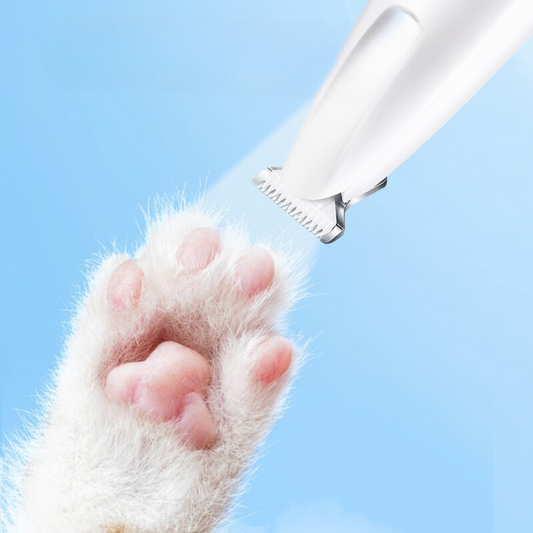
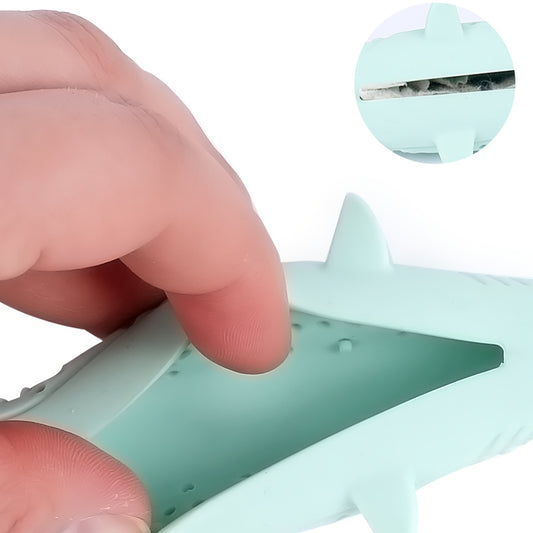
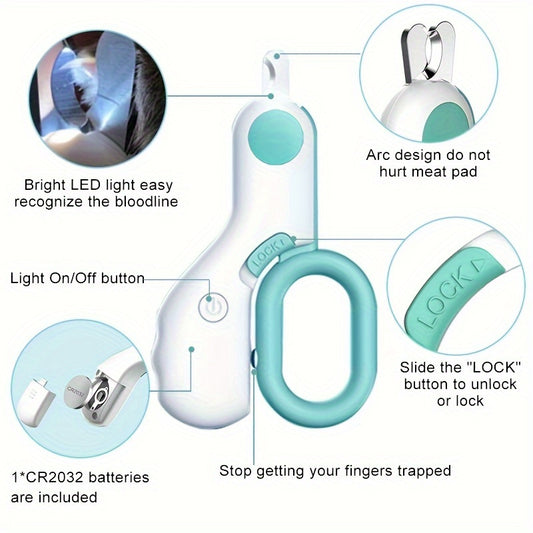
It comes as cat brush, flea comb for cats, cat nail clippers, cat clipper, cat toothbrush and cat recovery cone, to choose according to use. This range sits alongside dog brush and dog nail clippers, often bought together. For everything else, it's all in our cat products.