All about the cat recovery cone: uses, comfort and alternatives
When a cat is injured or needs a veterinary procedure, the most common medical device used is the cat recovery cone. Often dreaded for its unflattering look, this accessory nonetheless plays an essential role in wound protection and recovery after surgery. In this article, find out why the cone is so widely used, tips to keep your cat comfortable, and the suitable alternatives available today.
To go further, also discover dog recovery cone, cat nail clippers and cat brush.
Why use a cat recovery cone?
The cat recovery cone is first and foremost used to prevent licking and scratching around sensitive areas of the body. When a cat has had surgery, been injured or has a skin problem, it instinctively wants to clean the wound. Harmless as it may seem, this behaviour slows healing and can make the skin worse.
Using a cone also prevents swallowing products applied to the skin, such as creams or disinfectants. Without this protective device, the cat would risk not only delaying its recovery but also contaminating itself with its own germ-carrying claws or fur, leading to further medical complications.
When does a cone become essential?
Some situations make fitting a cat recovery cone unavoidable. It is mainly needed:
- After surgery (neutering, tumour removal, stitches)
- During intensive skin treatment
- In the case of a deep or infected wound that needs to heal quickly
- To stop dressings being fiddled with or torn off
Cats can also react very quickly to get rid of any discomfort on their body, scratching or licking until they open up a new wound. That's why human supervision, combined with the cat recovery cone, maximises the chances of recovery without complications.
How does a cone work?
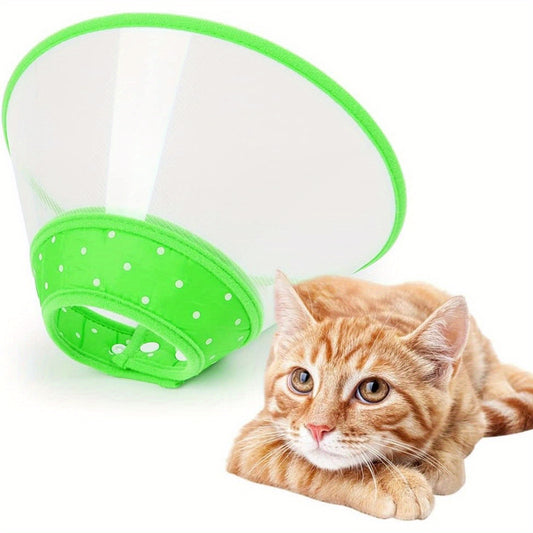
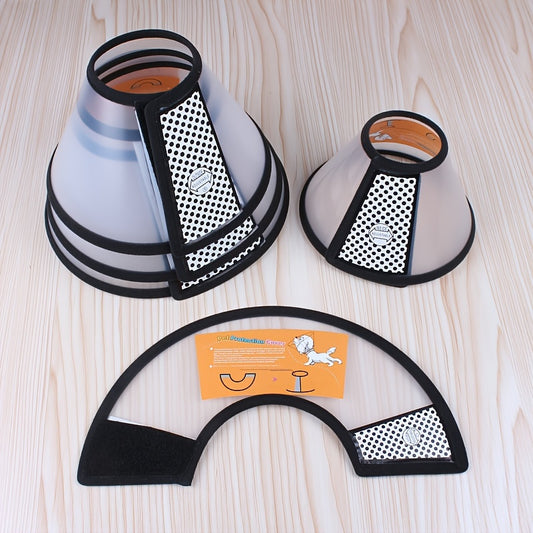
The principle of the device is a physical barrier around the neck. This structure stops the muzzle and front paws reaching fragile or healing parts of the body. Traditionally made from rigid, transparent plastic, the cone fastens with a closure system that stops the cat simply shaking it off.
There are, however, different sizes and shapes depending on the cat's build. Some versions have a padded edge or soft materials to maximise comfort. In this way, the cone protects effectively while limiting the stress the animal feels during recovery.
What are the main pros and cons?
Proven benefits of the cat recovery cone
The first benefit is the direct protection of wounds against any outside contamination. This medical device acts as a temporary barrier that significantly reduces the risk of secondary infection and promotes quick skin repair. Less tempted to scratch or lick the sensitive area, the cat sees its healing efforts rewarded sooner.
Another plus: the cat recovery cone can prevent serious post-operative complications: torn stitches, bandages pulled off, a scar reopening or swallowing substances that are dangerous to health.
Possible drawbacks
Despite its qualities, the cat recovery cone can sometimes be uncomfortable. Some cats struggle to eat, drink or sleep properly in the first few days. Adapting depends on each animal's personality: some experience it as a severe constraint, while others get used to it fairly quickly in a reassuring environment.
Repeated rubbing can also cause small irritations on the neck or behind the ears. To limit these side effects, keeping a regular eye on the cat and checking the condition of the cone become essential.
How can you make your cat more comfortable in a cone?
Several tips can help a cat tolerate the cone. Adapting bowls, choosing quiet spots and regularly checking the fit of the device form the basis of reassuring, effective support. It's also wise to rethink low or narrow objects in the living space so the cat recovery cone doesn't catch on everything.
Closer supervision during the first few days often pays off. If the cat really struggles to eat or use the litter tray, it may be worth trimming the cone (in agreement with the vet) or opting for a better-tolerated model.
Are there alternatives to the traditional cone?
Faced with the drawbacks of classic models, many alternative solutions have emerged to offer more comfort to the cat while keeping up wound protection.
Soft, comfortable cones
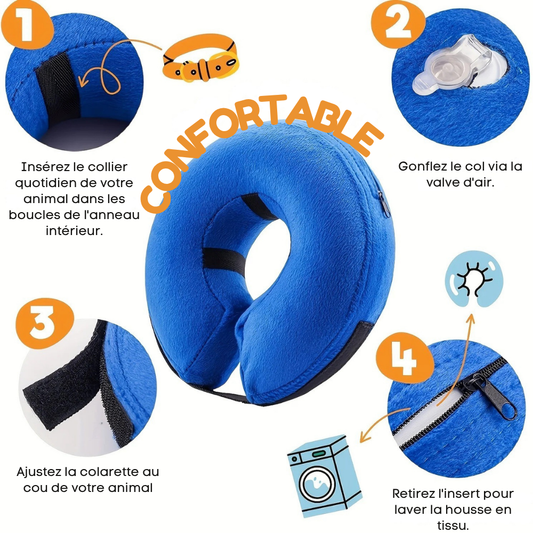
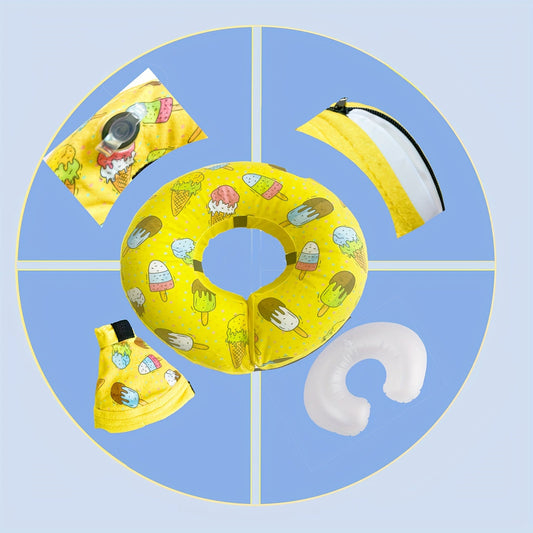
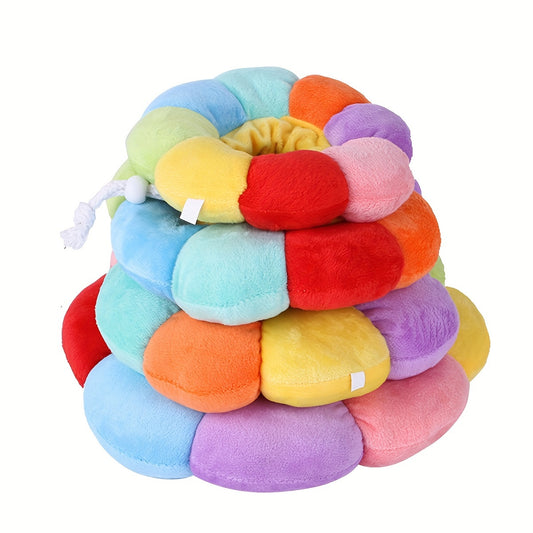
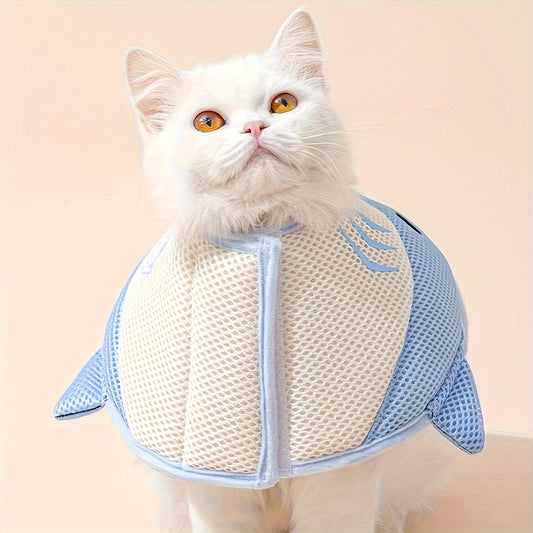
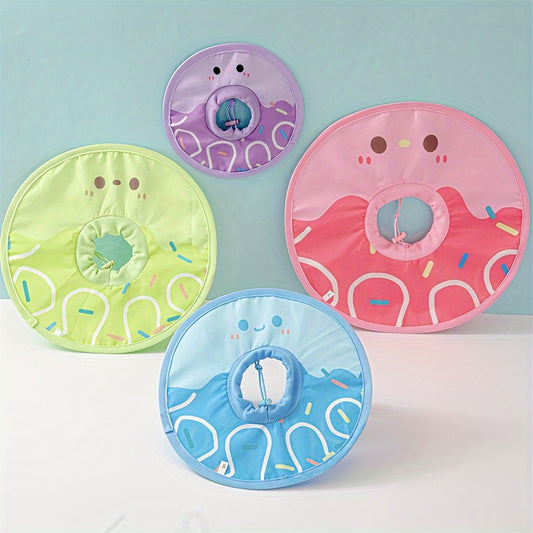
To get around the usual rigidity, inflatable cone models have been developed. This type of medical device allows greater freedom of movement and avoids painful knocks against furniture. Made from soft fabric, they offer more comfort while limiting scratching of the targeted area.
An air cushion or foam padding protects the neck from rubbing while preventing licking or biting of the wound. Many owners appreciate these solutions when the cat copes badly with cones made of hard plastic.
Medical bodysuits for cats
Another alternative: medical bodysuits that fit snugly. These protective garments hug the cat's body, covering only the injured area while leaving the head and legs free. Used mainly after abdominal surgery or procedures on the back, they sometimes give the animal more day-to-day freedom, while staying effective against licking or scratching even when it's intense.
However, not all cats accept wearing a tight garment. Some may feel uneasy or try to remove it, especially if they've never been used to wearing such an accessory before.
Complementary ways to support recovery
Beyond physical devices, you can add soothing solutions: calming pheromone diffusers, hiding places or treats to ease the experience.
Asking your vet for advice always makes choosing an alternative safer, as only a personalised assessment can identify the most reliable method for the location and severity of the wound.
Keeping an eye on your cat's recovery while it wears the cone
Day-to-day vigilance is an integral part of the recovery of a cat wearing a cone. Look out for the slightest anomaly near the wound: persistent redness, localised swelling or suspicious discharge warrant an immediate visit to the vet. Watching your pet's general behaviour also gives valuable clues about how it is coping.
Continuing prescribed treatments (disinfection, applying ointments, changing dressings) adds to the benefits provided by the cat recovery cone. With this careful follow-up, things get back to normal smoothly and the risk of repeated relapses is limited.
A few practical tips for living with the cone
Adapting your home
Temporarily rearranging your home helps the cat stay calm despite the bulk of the cone. Making food easy to reach, moving fragile objects away and providing an easily accessible bed all help reduce daily frustrations.
If several animals live together, keep an eye on how they interact: curiosity or play could knock off the cone or spark conflicts over the convalescing cat's new look.
Mental stimulation during the rest period
A cat with limited movement looks for new stimulation. Offering suitable toys, hiding a few kibbles or starting short petting sessions helps it fight boredom.
A plush mouse or caterpillar, chosen from our toys to keep a cat busy, is ideal for these short games during recovery, under your supervision.
This approach reduces the risk of anxious or destructive behaviour, especially if recovery takes a while. Combining emotional support, a stable environment and targeted distractions all helps keep the cat balanced.
When should the cat recovery cone come off?
Removing the cat recovery cone should only happen on your vet's advice. In general, wound protection must stay in place until healing is complete, or even longer if the risk of relapse remains high. Removing it too early risks negative consequences, such as the wound reopening or secondary infections developing.
Being patient during this phase ensures, in the long run, a return to a normal, happy life for your companion, free for good of this medical device that was only ever temporary.
This choice is part of our cat brushes and care. In the same vein, dog recovery cone and dog grooming may interest you. And our cat accessories cover everything that isn't here.