How to choose and care for cat litter
The choice of cat litter, how you care for it and the accessories you use all have a direct impact on your pet's comfort and the hygiene of your home. With such a wide range of products, it's not always easy to choose between clumping litter, plant-based litter, mineral litter or biodegradable litter. On top of that, odour control takes practical, regular habits. To give your feline friend a clean, pleasant space, a few good practices can turn this sometimes tedious routine into something quick and easy. Let's look at how to pick the right litter and best organise looking after the covered litter box.
The different types of cat litter
There are several kinds of cat litters to meet specific needs, depending on your cat's sensitivities, your household or environmental concerns. Knowing how to tell them apart helps ensure hygiene and wellbeing day to day.
What are the benefits of clumping and non-clumping litter?
The clumping litter stands out for forming firm clumps as soon as it gets wet, which makes cleaning the litter tray easier and reduces waste. This keeps the tray clean for longer and makes removing soiled litter quick and precise, which wins over many owners. A non-clumping litter, on the other hand, simply absorbs liquid without forming clumps, which often means replacing all the litter more often to keep things hygienic.
Some cats prefer the texture of non-clumping litters, usually made from wood shavings or mineral pellets. They feel soft underfoot and give off little dust, which makes them especially suitable for allergic or sensitive cats. It's worth trying different options, as every cat has its own preferences and toilet habits.
Plant-based, mineral or biodegradable litter: which should you choose?
The plant-based litter appeals with its natural fibres made from wood, corn or recycled paper. It's soft, light, often biodegradable and easy to compost or put out with organic waste. It's a great fit for today's environmental concerns while offering decent absorption and good odour control.
If you're after strong absorbency, mineral litter is still a go-to. Made from silica, clay or zeolite, it traps moisture effectively, but its environmental impact is significant as it breaks down very slowly. Eco-minded households will tend to prefer alternatives such as biodegradable litter or plant-based litter, which combine hygiene, responsibility and respect for the environment.
Litter trays, covered litter boxes and must-have accessories
The space set aside for cat litter plays a key role in building good habits. Choosing the litter tray, accessories that suit your cat, and where you put them, ensures cleanliness, discretion and peace of mind for your pet. Among modern solutions, there's our Automatic litter box range, which makes everyday upkeep much easier.
Also remember to keep its water away from the tray: a cat water fountain in another room keeps the water away from the litter.
Open trays, covered trays or litter boxes with a hood: how to choose?
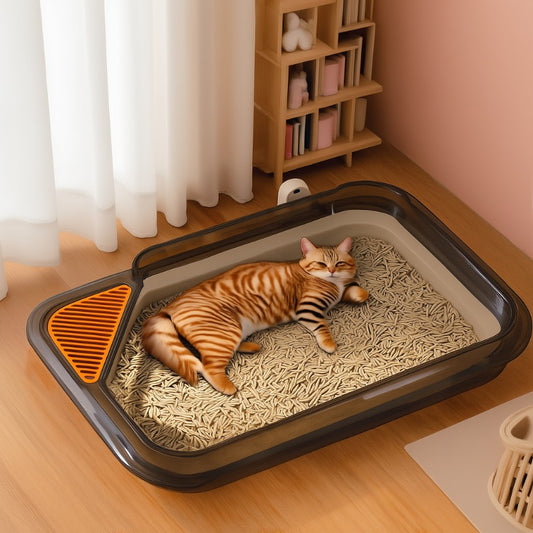
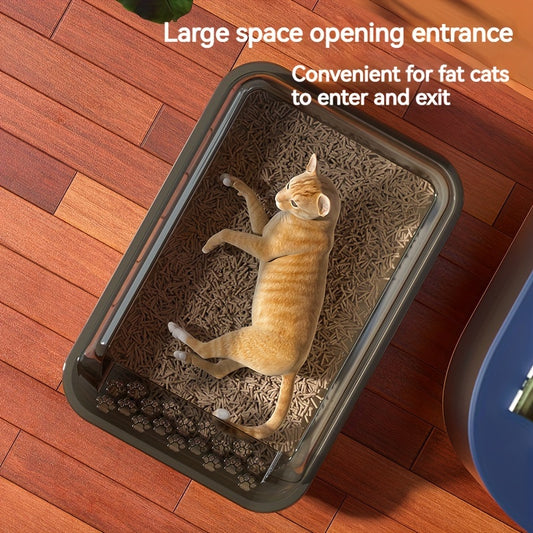
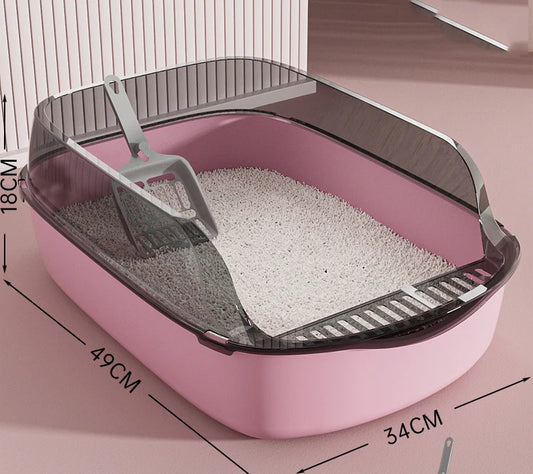
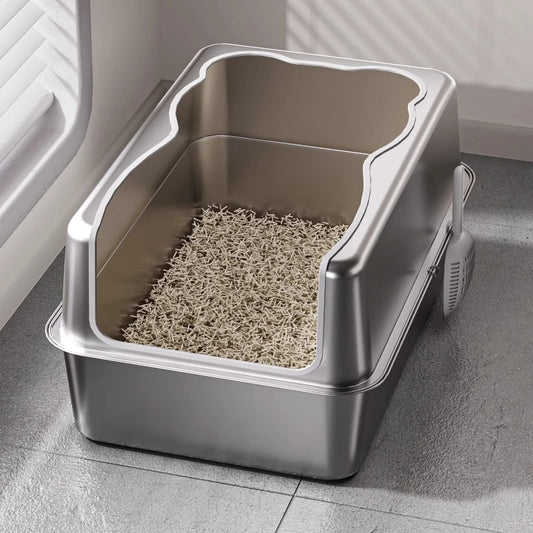
A open litter tray gives most cats direct, reassuring access, especially young or anxious ones. It's easy to clean with nothing in the way, and you can easily keep an eye on the level of cat litter. However, it holds in smells less well and sometimes lets litter escape when your cat digs vigorously.
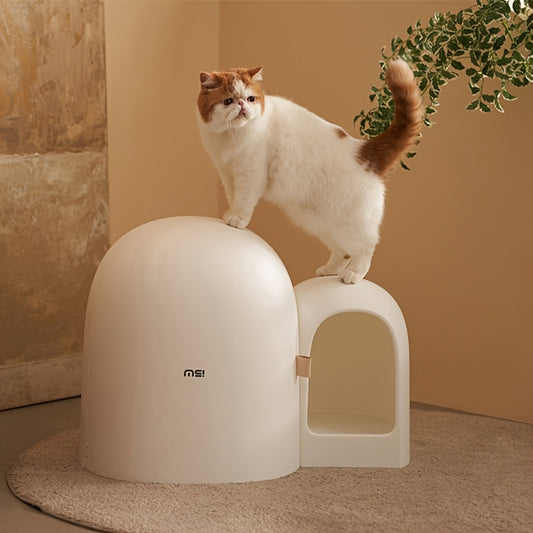
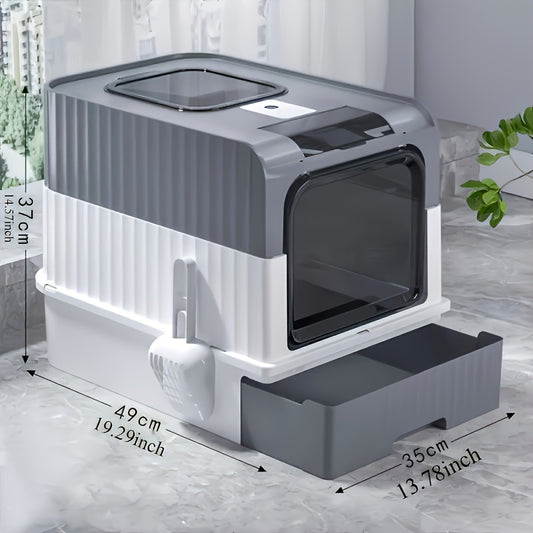
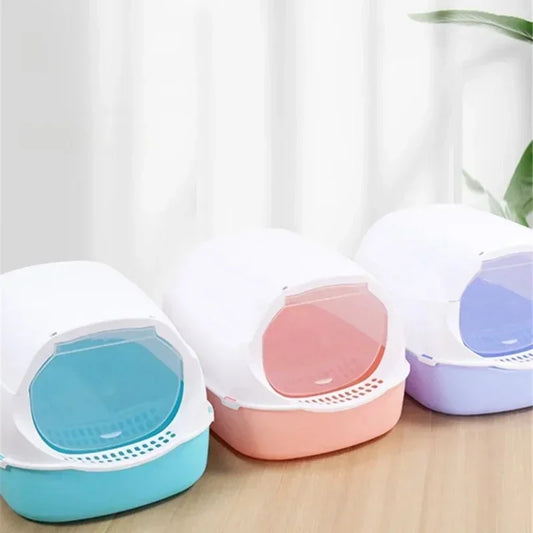
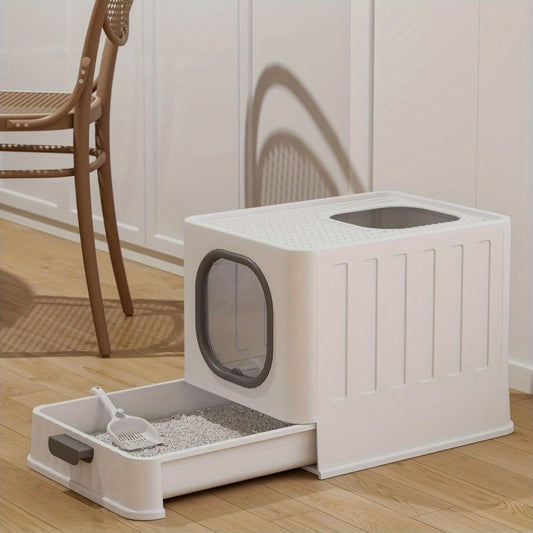
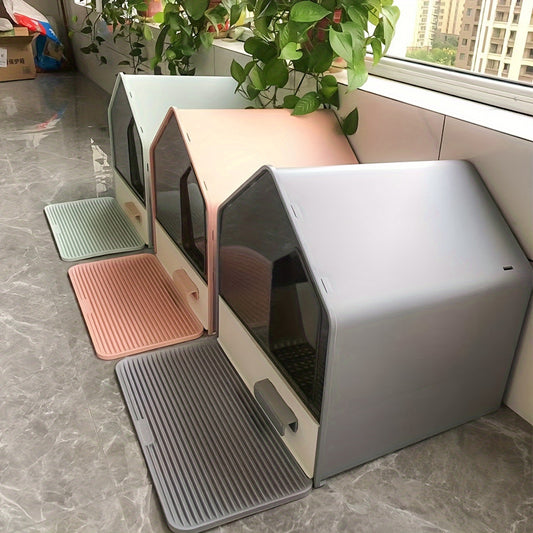
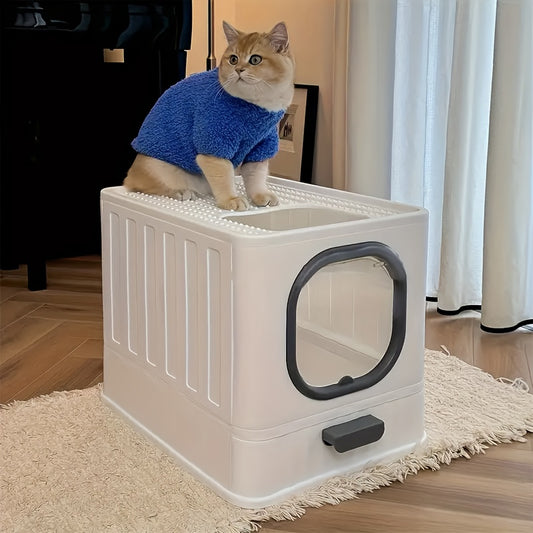
The covered litter box, meaning a covered tray with a flap door, limits the spread of smells and gives your cat privacy. It also stops litter being kicked out of the tray. However, some cats don't like the door or may feel shut in. Matching the model to your companion's size, age and agility is key to its comfort.
Which litter accessories make cleaning and hygiene easier?
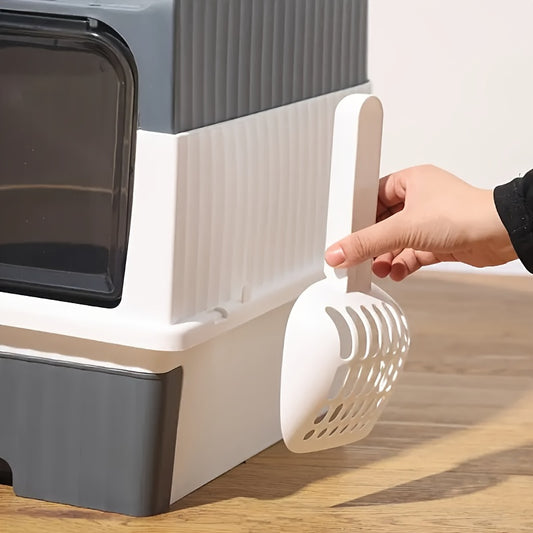
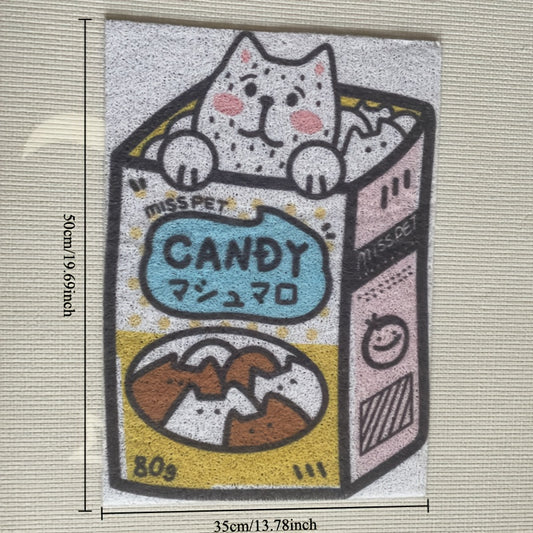
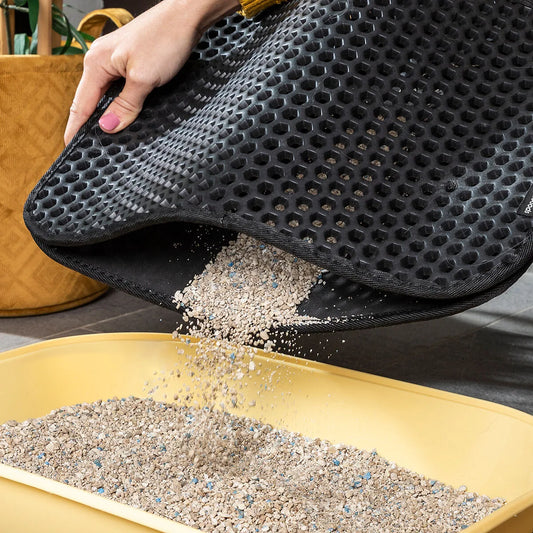
Well-chosen litter accessories make upkeep much easier. A sturdy, slotted scoop removes poo and clumps efficiently. Adding a dedicated mat in front of the tray exit helps catch litter stuck to paws, limiting how far it spreads around the house. Using a compostable bag or a suitable one also makes it easier to dispose of waste when you change all the litter.
On top of that, a natural deodoriser or one that's compatible with your cat litter can improve odour control. It's important, though, to check that any added product is safe to use so it doesn't bother your cat, especially if it's sensitive.
Care tips and good habits for top hygiene
Good litter hygiene relies on regular upkeep but also on everyday habits that are key to the wellbeing of your cat and its humans. How often you do the cleaning affects both your pet's comfort and the air quality in your home.
How often should you change the litter and clean the tray?
A Regular care of the litter tray encourages your cat to use its own spot and reduces bacteria. Ideally, remove poo and clumps once or twice a day. Depending on the number of cats and the type of litter, a full change of the cat litter is needed every week or fortnight to keep things spotlessly clean.
The litter tray also needs a thorough wash in hot water after each full change. It's best to avoid harsh or scented detergents, which your cat's sensitive nose may not tolerate. Rinsing thoroughly ensures there's no chemical residue that could bother or put off your cat.
How can you minimise smells and health risks at home?
The odour control depends above all on the quality of the cat litter you choose and how regularly you clean. Putting the tray in a well-ventilated, quiet spot also limits how far smells spread. Some plant-based litters or mineral litters enriched with natural neutralising agents are a great way to keep the air fresher.
Spreading a thin layer of bicarbonate of soda over the bottom of the tray before pouring in the litter helps absorb excess moisture and keep things fresh for longer. Keeping the area around the tray tidy and free of scattered litter makes the whole setup more effective, helping maintain lasting hygiene for everyone in the house.
Why choose an eco-friendly or biodegradable litter?
Choosing a biodegradable litter or eco-friendly is a responsible choice for the environment. Made from renewable natural materials, these litters reduce pollution while keeping their absorbent and anti-odour properties. They're an ideal alternative for families who want to cut down on waste and compost where possible.
What's more, these eco-friendly litters are particularly suitable for cats with allergies or sensitive skin, as they contain no additives or synthetic fragrances. They help strike a balance between relaxation, health and respect for the home environment.
In short, choosing and looking after cat litter comes down to the right selection, using effective accessories and following a few simple habits to keep things clean and your cat happy. Explore our range of litter accessories and find the ideal solution for your four-legged friend.
This range is divided into self-cleaning litter box, self-cleaning cat litter box, cat litter tray, cat litter mat, litter tray liners and covered litter box: each one meets a specific need. And our cat accessories cover everything that isn't here.