
Dog harness
24h dispatch · 14-day returns
Give your companion comfort and safety with our dog harnesses, perfect for daily walks, sport and outdoor adventures.
Find out more
-

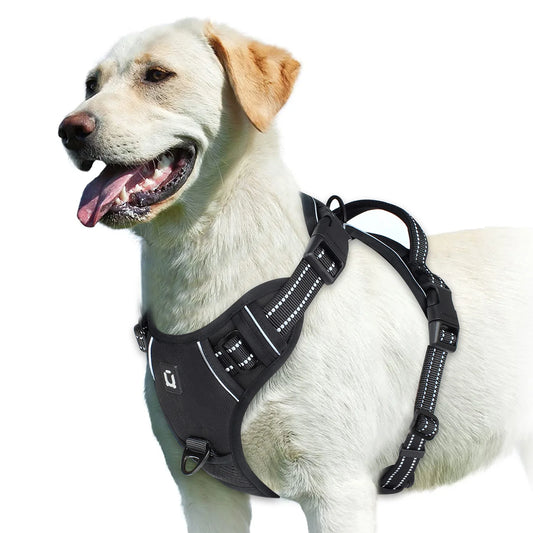
No-Pull Dog Harness, Comfort Fit
Regular price £26.00 GBPSale price £26.00 GBP Regular priceUnit price per£0.00 GBP -

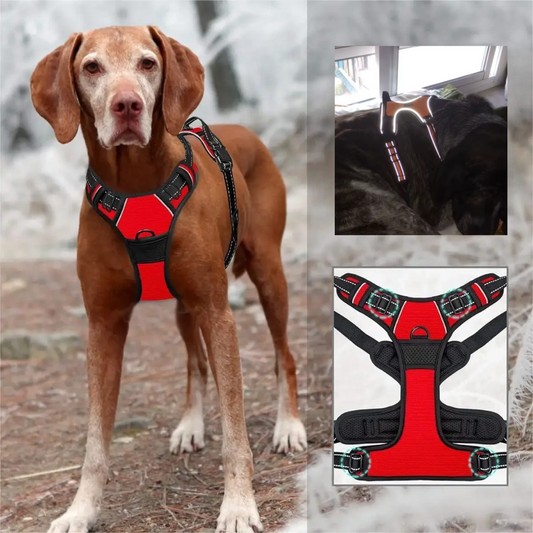
No-Pull Dog Harness, Reinforced
Regular price £23.00 GBPSale price £23.00 GBP Regular priceUnit price per£0.00 GBP -

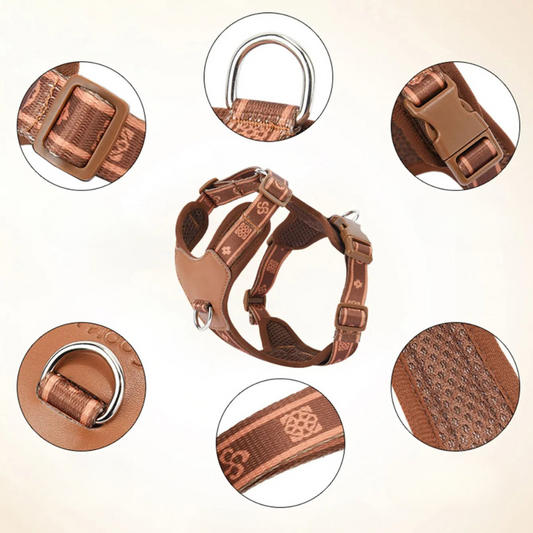
Faux Leather No-Pull Small Dog Harness
Regular price £26.00 GBPSale price £26.00 GBP Regular priceUnit price per£0.00 GBP -

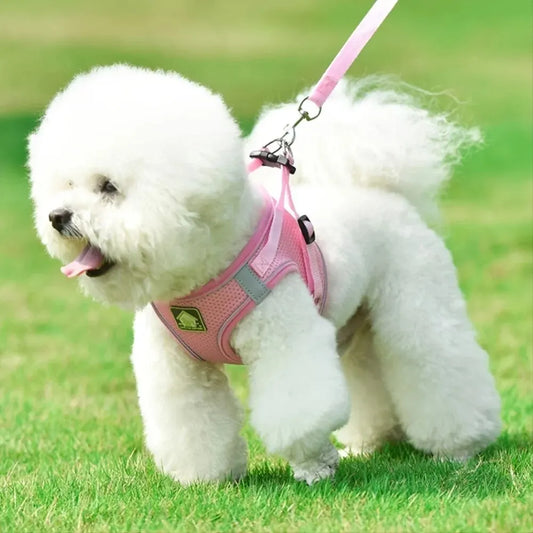
Small Dog Harness & Lead, Breathable 2-in-1
Regular price £22.00 GBPSale price £22.00 GBP Regular priceUnit price per£0.00 GBP -

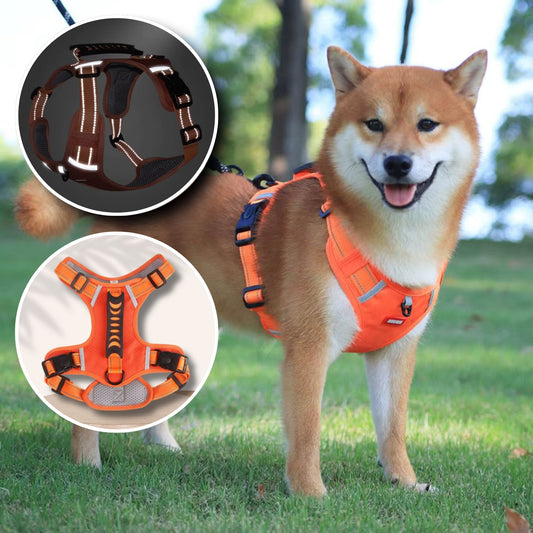
Adjustable No-Pull Dog Harness
Regular price £26.00 GBPSale price £26.00 GBP Regular priceUnit price per -

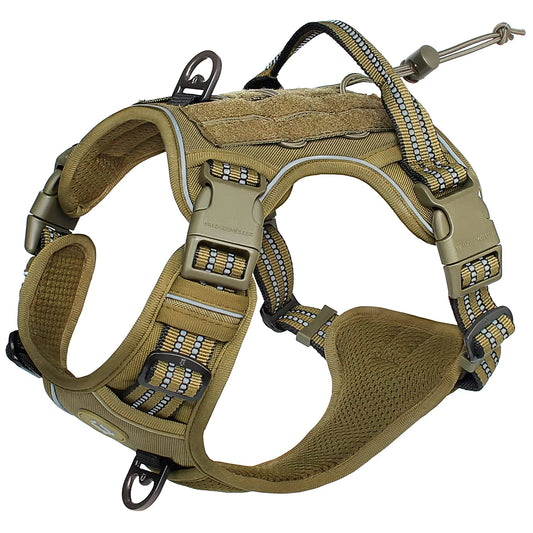
Tactical No-Pull Dog Harness
Regular price £53.00 GBPSale price £53.00 GBP Regular priceUnit price per£0.00 GBP -

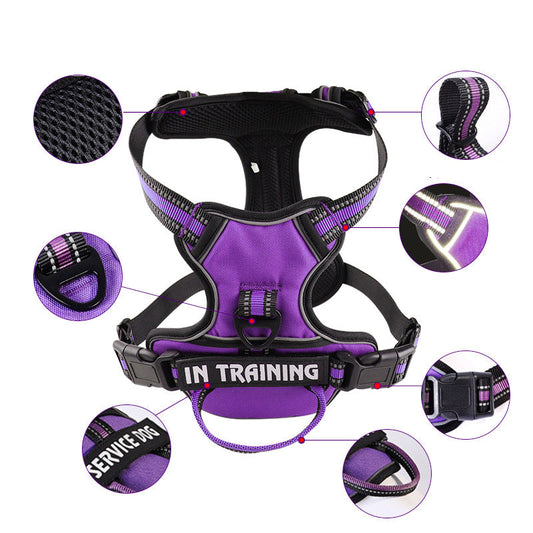
Y-Shaped Comfort Dog Harness – No-Pull & Breathable
Regular price £27.00 GBPSale price £27.00 GBP Regular priceUnit price per£0.00 GBP -


2-in-1 Dog Car Seat Belt - Buckle & Headrest
Regular price £19.00 GBPSale price £19.00 GBP Regular priceUnit price per£0.00 GBP -


Small Dog Y Harness & Lead Set, Pastel 2-in-1
Regular price £28.00 GBPSale price £28.00 GBP Regular priceUnit price per£0.00 GBP -


No-Pull Y Dog Harness, Comfort
Regular price £23.00 GBPSale price £23.00 GBP Regular priceUnit price per£0.00 GBP -

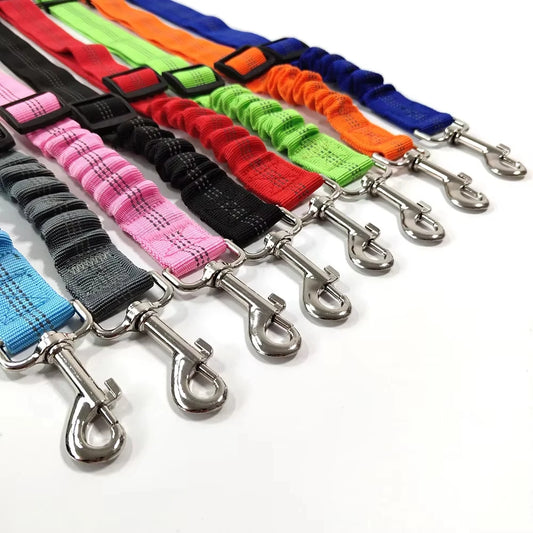
Elastic Dog Car Seat Belt
Regular price £17.00 GBPSale price £17.00 GBP Regular priceUnit price per£0.00 GBP -

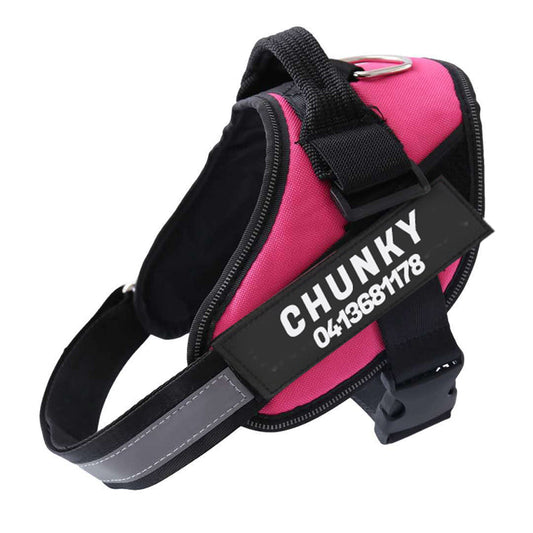
No-Pull Dog Harness with Lead – Safe, Comfy Walks
Regular price £21.00 GBPSale price £21.00 GBP Regular priceUnit price per£0.00 GBP -

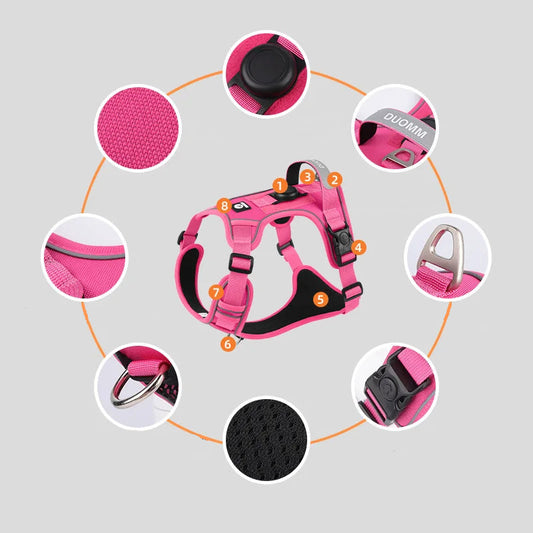
No-Pull Dog Harness, GPS/AirTag Compatible
Regular price £25.00 GBPSale price £25.00 GBP Regular priceUnit price per£0.00 GBP -


Dog Car Seat Belt
Regular price £17.00 GBPSale price £17.00 GBP Regular priceUnit price per£0.00 GBP -

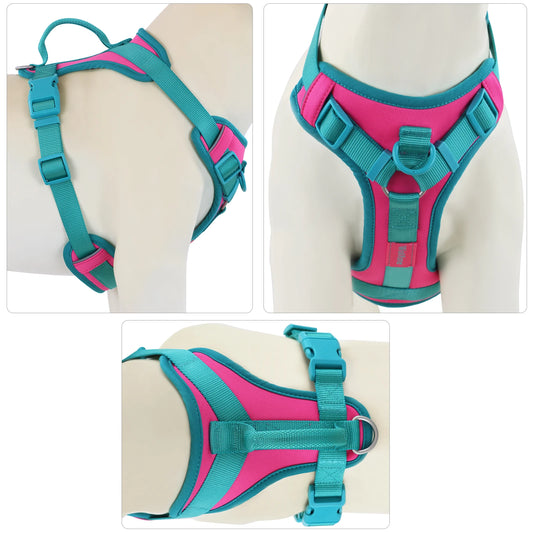
No-Pull H Vest Dog Harness
Regular price £26.00 GBPSale price £26.00 GBP Regular priceUnit price per£0.00 GBP -

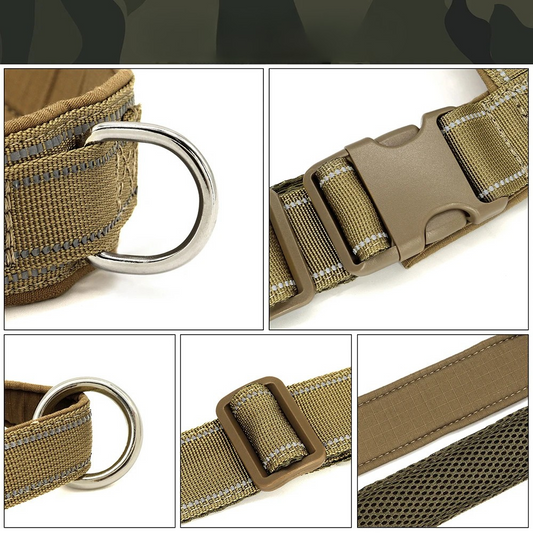
No-Pull Y Harness for Large Dogs, Double Ring
Regular price £23.00 GBPSale price £23.00 GBP Regular priceUnit price per£0.00 GBP


