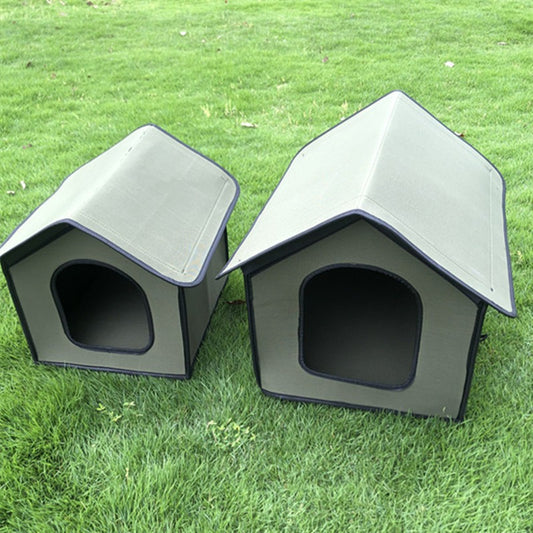
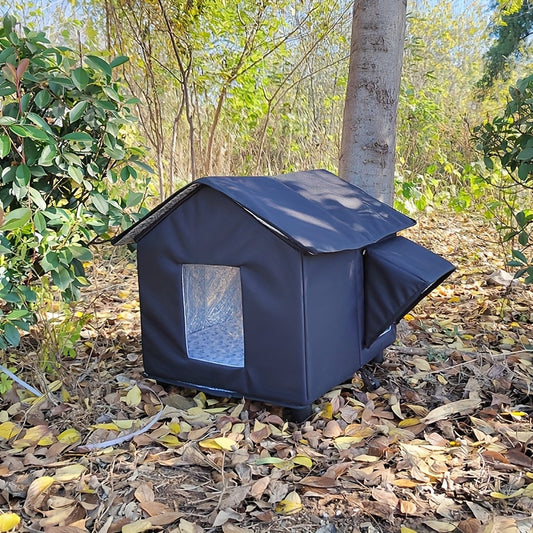
Life outdoors appeals to many cats, but it brings challenges for their safety and wellbeing. Providing a suitable outdoor cat shelter lets you combine freedom and protection, whatever the season. Comfort, effective weather resistance, insulation and easy access are all criteria to consider when sheltering your companion outdoors. Find out here how to choose, set up and get the most from this shelter to meet every feline need and reassure their humans.
To find out more, also explore our cat houses and our little cat houses.
Why set up an outdoor cat house?
Setting up your own outdoor cat shelter goes beyond simply wanting to give your pet a space of its own. It meets fundamental needs and fits perfectly into the daily life of an independent cat who loves the fresh air. It is also a sensible precaution against sudden changes in the weather, protecting your four-legged friend's health all year round.
Many owners underestimate the risks of being outdoors. A sturdy, well-designed shelter acts as a real refuge from wind, rain and low temperatures. The shelter thus becomes a must for a safe environment in the garden or on the patio.
The main benefits of an outdoor cat house
Choosing a cat house designed for outdoor use clearly improves your pet's quality of life. It offers a peaceful place to rest away from prying eyes, while providing an extra barrier against potential attacks or intruders. It also reduces the risk of long disappearances, as the cat always has a comfortable retreat close to its favourite roaming area.
Practicality also speaks in favour of this choice. Suitable cat houses let you quickly set up a temporary or permanent shelter as needed, adapted to the constraints of the site (garden, balcony, window ledge). All of this helps strike the balance between independence and the need for protection that every cat has.
How to choose the best outdoor cat house?
There is a huge range of models on the market today, which can make choosing tricky. With so many options, it helps to look at a few key points to pick a model that combines sturdiness, practicality and good looks. Several features come into play and determine the comfort as well as how long the cat house will last.
From the materials used to the design of the roof and whether or not there are several entrances, every detail matters. Taking the time to compare these points helps you find a solution that truly suits your pet's habits and the local weather.
Materials: wood or tough alternatives?
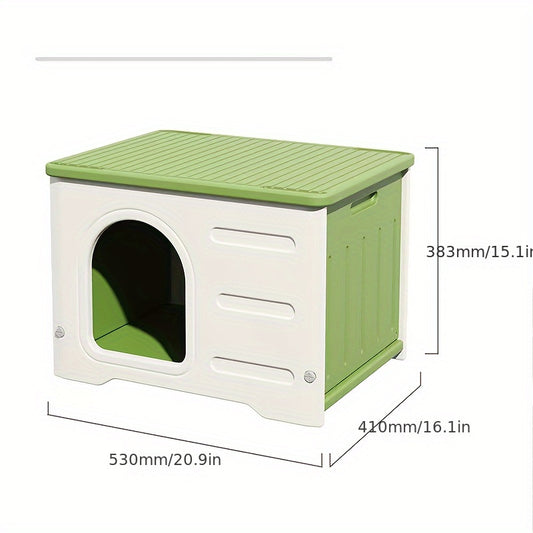
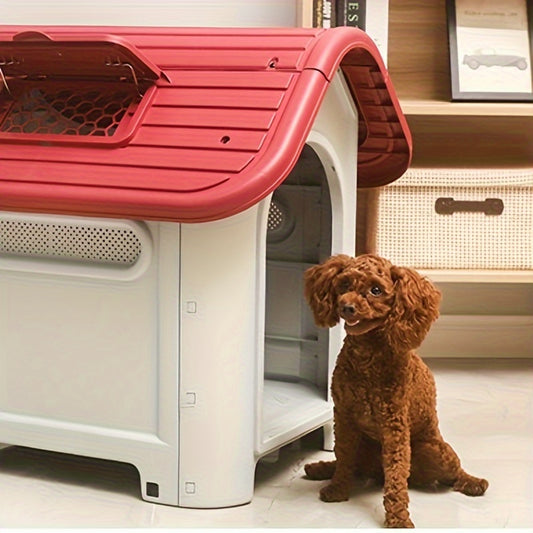
Many owners swear by wood for its natural ability to insulate against the cold and its good resistance to knocks. A wooden outdoor cat house made of treated timber stands up better to the weather and feels welcoming thanks to its good thermal properties. Other options exist too, such as certain high-end plastics designed to withstand damp and frost without warping.
The material shouldn't just look good. Regular care greatly extends the life of a cat hut made of wood, while a synthetic version needs only a few simple steps to stay clean and healthy.
Insulation and comfort inside
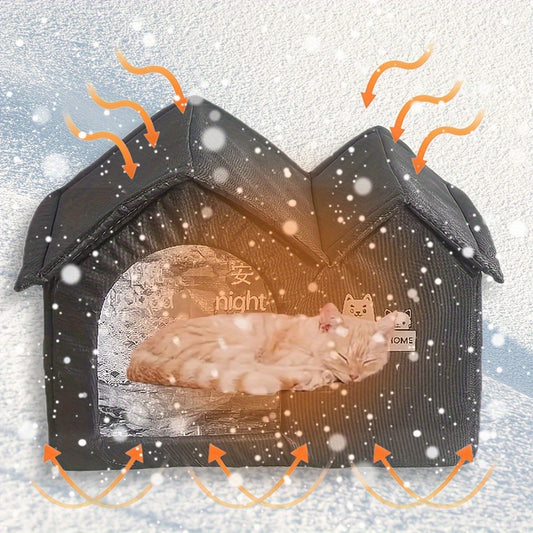
Insulation is key as soon as you put the cat house outdoors. It's not just about protecting from winter cold, but also preventing temperatures from climbing too high in summer. An insulating lining on the inside walls limits heat exchange and helps keep the shelter at a mild temperature all year round.
Adding special cushions, thick mats or soft blankets boosts this level of comfort and invites rest. Some models have removable panels for effective ventilation when needed, preventing condensation or excess damp.
Doors, roofs and different types of access
Go for a cat house with a flexible flap door for extra versatility. It keeps out rain and wind without limiting your cat's freedom to come and go. For even more practicality, some shelters have several entrances or openings, ideal in case of unwanted visitors or to let two cats live side by side in harmony.
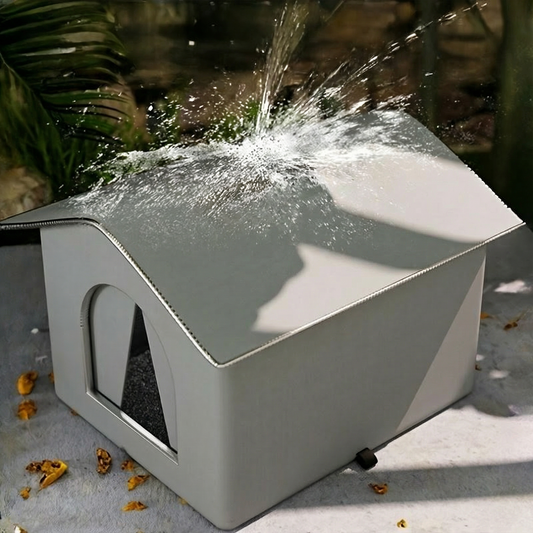
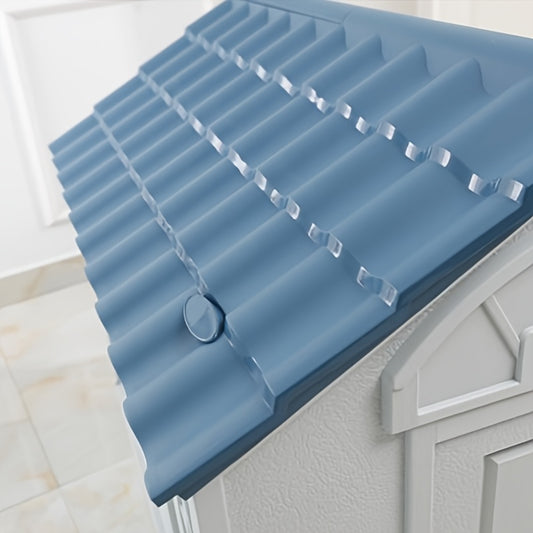
A roof that slopes slightly helps water run off and stops it pooling, a vital point for ensuring weather resistance over the long term. An extension in the form of a canopy can even lengthen the dry area in front of the cat house, adding a sheltered transition space out of the wind.
Setting up and positioning: where to put the outdoor cat house?
A good spot makes the cat feel safer and extends the life of the shelter. Placing the cat hut away from direct draughts, with its back to the prevailing wind and a reasonable distance from noisy areas makes it more inviting. Partial sun exposure, especially in autumn or winter, pleases warmth-loving cats while avoiding overheating in summer.
Keeping the raised cat house off the ground keeps damp out and protects against some insects or curious small animals. A few centimetres of height is often enough to strengthen this natural barrier. Remember to check under the cat house regularly for intruders or unwanted nests.
Practical tips for securing and stabilising the shelter
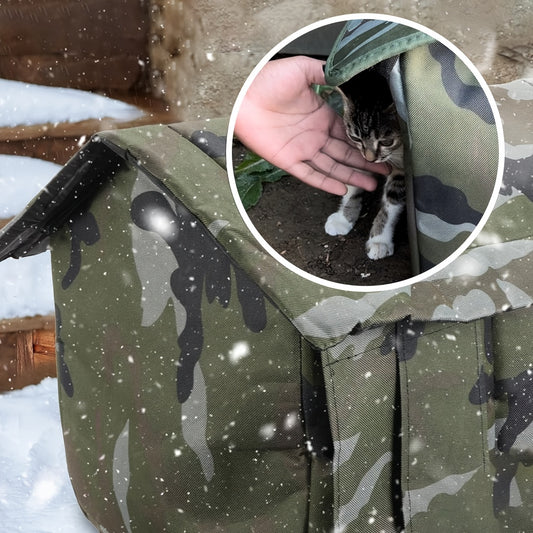
Secure fixing is essential, especially if the outdoor cat house has to face strong winds or long spells of bad weather. Using wedges or non-slip feet gives excellent grip on the ground whatever the weather. Anchoring the base with stakes or straps can also help hold everything firm through the harsher seasons.
Always leave enough space around the outdoor cat house so the cat can look out freely and quickly hide if danger appears. This precaution reassures even the shyest cats and encourages regular use of the cat house.
Preventing damp and mould
Still too often overlooked, damp deserves special attention. Make sure you keep the cat house off damp ground or lingering puddles, especially during heavy rain. Standing it on dry mulch or a small platform of ventilated wood underneath stops damp rising and extends the life of the shelter.
A weekly check is enough to spot early signs of mould or standing water. Cleaning and refreshing the inside, such as the bedding, keeps the space healthy and welcoming for your cat for many months.
Care and tips to get the most life out of your cat house
Looking after a outdoor cat shelter takes little effort but keeps it working well for years. A clean shelter limits the spread of parasites and keeps all its insulating qualities year after year. Keeping it looking good also enhances your garden or patio, and makes the cat want to stay.
Also think about seasonal checks to spot any structural weakness or accidental leaks. It's better to prevent early wear than to have to replace the whole cat hut because of a defect that went unnoticed.
- Dust the inside and outside of the shelter
- Replace worn accessories: cushions, mats or blankets
- Treat the wood against damp and parasites as a preventive measure
- Quickly repair any cracks or gaps found in the roof or the door
- Adjust the position of the shelter as the surroundings change
Watching for signs of excessive scratching can tell you a lot about your cat's behaviour. These signs sometimes point to discomfort or temporary stress, which a small tweak to the inside layout can quickly ease. Rethinking the insulation or the access will then greatly improve your cat's experience.
Looking after a shelter only takes a little time each month, but greatly improves your pet's quality of life all year round.
Personalisation and extra features to consider
Every cat has its own preferences, which is why many owners personalise their outdoor cat shelter. Adding hanging toys, installing a raised platform alongside or building in a mini scratcher are some popular ideas. These touches enrich your cat's daily life and make their home truly unique.
Some opt for a shelter with two or three entrances, very popular in multi-cat or shared households. Offering multiple entrances makes coming and going smoother, and can also deter some night-time predators from taking over the space while the owner is away for long periods. It's a simple way to boost the peace of mind of every animal involved.
- Line the inside with small soft mats suitable for outdoor use
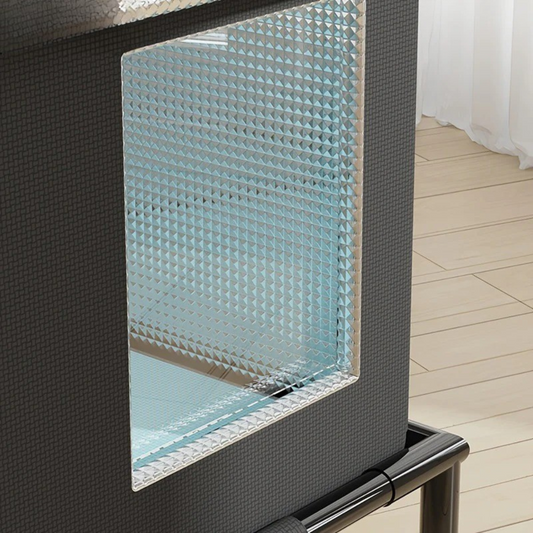
- Add a cat flap see-through on the door main one to let light in
- Create a lookout trail nearby with modules that fix to a fence or tree
- Choose natural colours to help the shelter blend into the garden
Refreshing the decor or replacing certain parts lets you adapt the outdoor cat shelter to your cat's changing needs, without replacing all the equipment. Sometimes a simple addition completely changes how your pet feels and renews its attachment to its new space.
Finally, adding extras such as a bowl of fresh water nearby or a small secure food bowl makes things as practical as possible for long days away from home. Your cat then enjoys an ideal welcome at any time, a reminder that the shelter remains its favourite outdoor domain.
You'll find more options in our cat houses and cabins range. It sits alongside outdoor dog kennel, outdoor cat house and cat house, often bought together. Everything else for daily life is in our cat products.