How to choose an outdoor cat house that suits your cat?
Giving your cat a shelter in the garden or on the patio guarantees protection, wellbeing and safety for your companion. Cats love exploring outdoors, but they also need somewhere to shelter from the cold, rain or intense heat. A well-designed outdoor cat house can transform your pet’s daily life while giving you peace of mind. There are plenty of models, from a simple outdoor cat shelter to an elegant, cosy cabin. Let’s look at the essentials to consider, plus practical tips for giving your cat the best little house.
Which materials make a durable outdoor cat shelter?
The choice of materials is the first step in finding the right cat hut that stands the test of time and properly protects its occupant. Each material has pros and cons to weigh up according to your surroundings, the local weather and your cat’s temperament. A sturdy shelter saves you from replacing it regularly, while ensuring comfort and safety for your cat.
Why is wood popular for cat houses?
The wood often stands out when you want a sturdy, warm outdoor cat house. This material naturally provides good thermal insulation and copes well with changes in the weather. It also blends beautifully into a garden or patio. Treated against damp, it handles rain fairly well, especially if the roof slopes slightly to stop water getting in. Wood also gives the inside the feel of a cosy cabin, which reassures your cat in a calm setting.
Another advantage of wood is its versatility: it can be painted, varnished or personalised. However, it needs regular upkeep, especially to keep its resistance to damp and water. Some owners also enjoy building a small shelter themselves from pallets or reclaimed planks, which appeals both for its eco credentials and the money saved. Some original solutions may also catch your eye if you want a practical, budget-friendly shelter, such as our Cardboard cat houses.
Alternatives to wood: plastic and other options
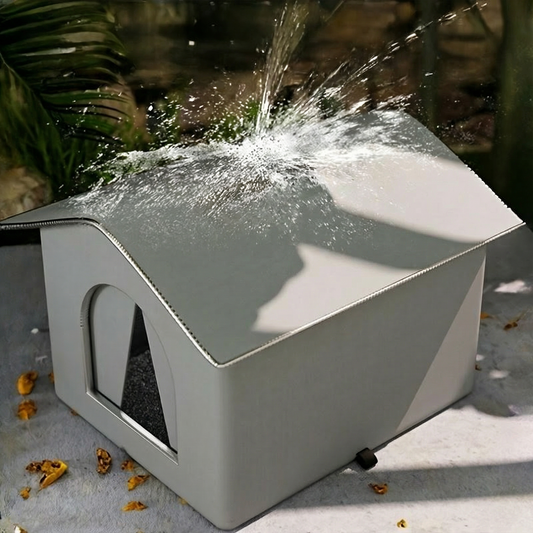
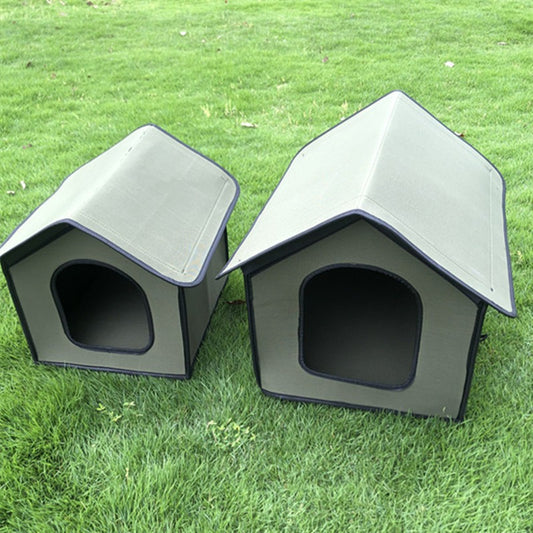
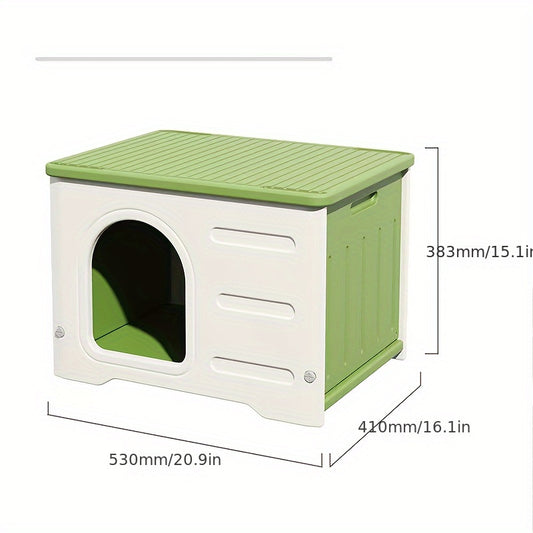
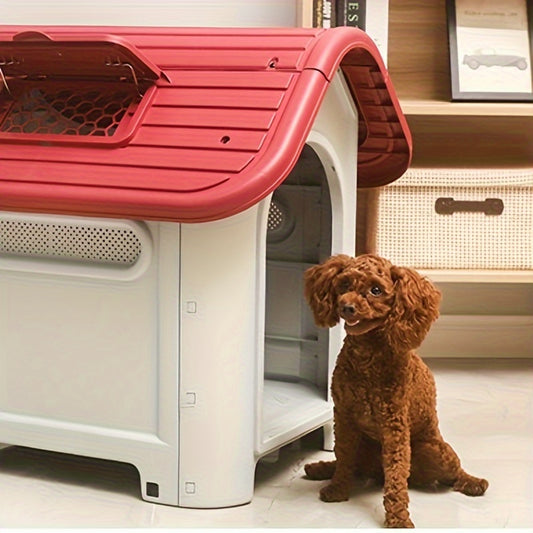
Other materials such as plastic and PVC appeal for their lightness and low maintenance. A plastic outdoor cat shelter is easy to clean and doesn’t really mind the rain. Well-designed models usually have a raised entrance and ventilation to prevent condensation inside.
However, these shelters often insulate less well against cold or heat. If you live somewhere with extreme temperatures, it can help to combine an insulating blanket with thick cushions to create a truly comfortable space. Some cats may also prefer a natural or soft structure, more welcoming than rigid plastic.
Thermal insulation and weather protection: the keys to your cat’s comfort
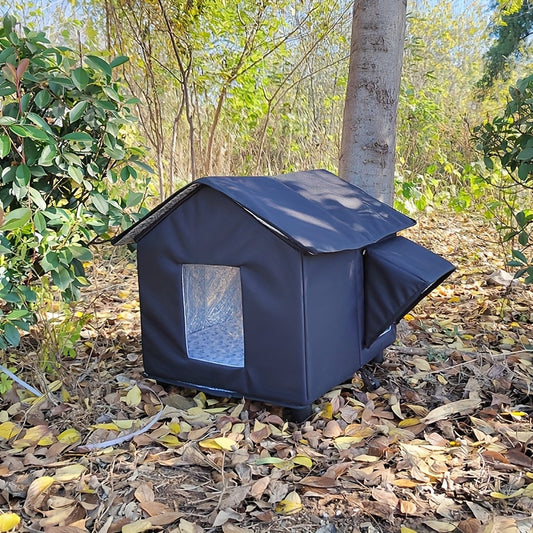
A outdoor cat house that does its job must above all protect against cold, wind and damp. A fully waterproof, insulated, pleasant space is far better than a simple cardboard box left under a makeshift cover. Looking after your pet’s comfort therefore comes down to a few key criteria that matter all year round.
How do you protect your cat from the weather?
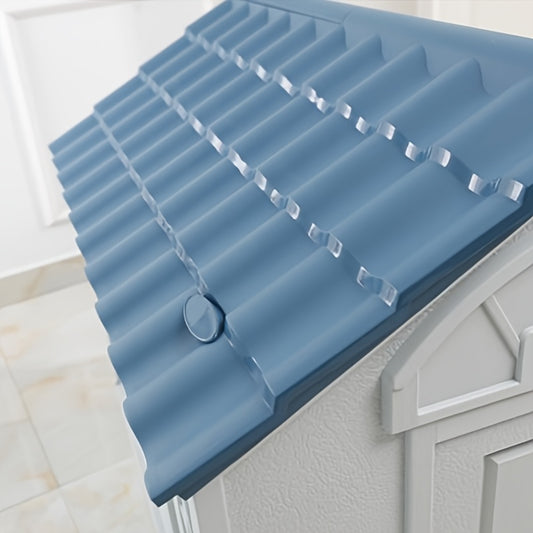
Protecting against rain means choosing a well-designed, slightly sloping roof. An overhang limits splashes at the entrance. To block draughts, place the opening on the side rather than facing the prevailing wind. You could also add a flap with soft strips that lets your cat through but keeps out cold air and damp.
The outdoor cat shelter is ideally raised off the ground, either on legs or on a stable base. This stops water rising during heavy rain and limits direct contact with the cold. To further improve resistance to damp and water, check the joints regularly for watertightness and treat the wood or seals if needed.
Why thermal insulation matters in a cat shelter
The thermal insulation ensures the house holds on to your cat’s body heat in winter without turning into an oven in summer. Choose thick walls, natural insulating panels (wood wool, polystyrene) or fabric linings. Adding soft cushions or a cosy mat greatly improves comfort and reassures your cat.
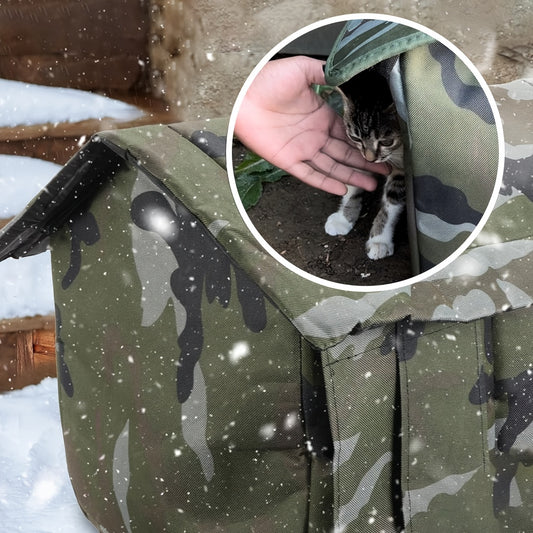
In winter, steer clear of thin, poorly insulating fabrics. Investing in the right cat house with a reinforced base and double walls helps create a real cocoon, even when outdoor temperatures suddenly plummet. Removable blankets also make regular cleaning easier, keeping the inside healthy and mild.
Safety and wellbeing: how to get the most from your cat’s outdoor home
The Your cat’s safety should never be overlooked when setting up a shelter outdoors. Between keeping other animals out, making sure your cat can escape easily and providing a suitable home, there are several things to think about when fitting out the shelter.
Preventing risks and adapting the space
Making sure the cat hut has a partial or clever closure limits access for potential predators. To avoid territorial fights, it’s best to set up several shelters if several cats visit your garden. A house with a second exit can reassure timid cats.
The stability of the structure matters too: anchor the shelter firmly to the ground or place it against a wall to stop it tipping over. On multi-level models, check that each level has enough room for your cat to turn around and stretch out comfortably, which clearly improves its everyday comfort.
Maintaining and adapting the shelter through the seasons
Cleaning the shelter regularly helps keep parasites at bay and maintains a healthy environment. Removing built-up hair, changing blankets and disinfecting dark corners prevents mould, especially in damp areas. Check the hinges, fixings and insulation regularly.
Adapting the outdoor cat house to the seasons is, of course, essential. In winter, add layers of insulation and cosy extras, but air it now and then to limit condensation and odours. When the warmer weather arrives, open up or remove some insulating panels to keep it cool and improve airflow inside the cabin.
In short, choosing the right outdoor cat house comes down to choosing durable materials, excellent thermal insulation and paying close attention to Your cat’s safety. Adapting the shelter to your cat’s needs and to each season ensures maximum comfort and peace of mind. Discover our range of accessories and ideas for creating a cosy, safe outdoor home for your four-legged friend.
You'll find more options in our cat house range. It sits alongside outdoor cat house, outdoor dog kennel and cat houses and cabins, often bought together. For everything else, it's all in our cat supplies.