Dog travel: practical tips for a stress-free journey with your pet
Travelling with a dog can quickly become a challenge when it comes to guaranteeing its comfort and safety. Whether for short trips or longer adventures, every owner wants above all to make sure safe dog transport is in place. But which solutions are right? How do you balance dog travel regulations, wellbeing and practicality when on the move? Here's a complete guide to preparing your trips while respecting your four-legged friend's safety and needs.
What are the different ways to transport a dog safely?
The choice of travel method depends on several factors: the dog's size, the length of the journey, the means of transport and the animal's preferences. With the wide range of transport accessories available, you can adapt to every situation. To guarantee safe dog transport, it's not enough to put the dog in the vehicle — you also need sturdy, approved equipment.
What's more, the sometimes stressful environment of a journey can affect some dogs. Planning suitable equipment supports their wellbeing and prevents surprises on the way. Let's look at the main options available to you.
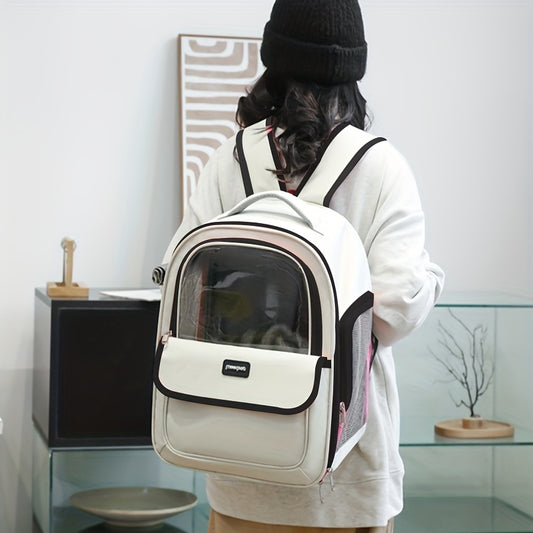
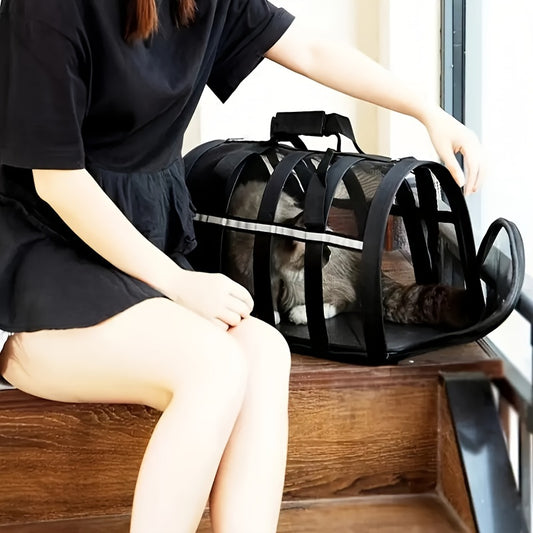
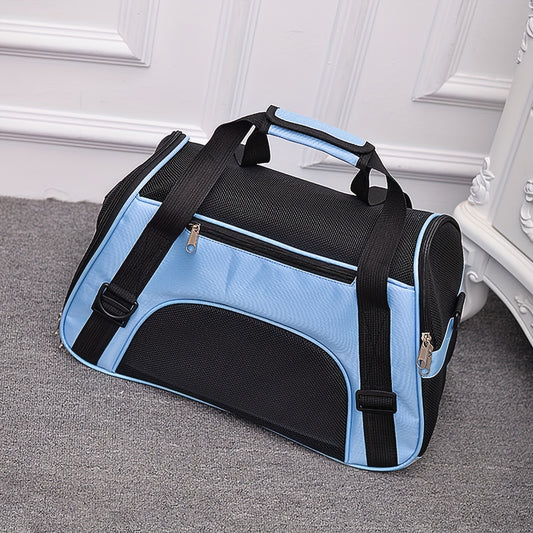
Full details are in our carrier bags.
The travel crate or carrier
Using a travel crate is very common among owners of medium to large dogs. It provides a secure setting and limits sudden movements in the car. A cat carrier should be chosen according to the dog's build so it can stand up, turn round and lie down easily.
This type of solution often helps the dog feel protected, like in a small den. It's also a good idea to add a familiar blanket or cushion to make the space more welcoming and reassuring during the journey.
The carrier bag and the carrier basket
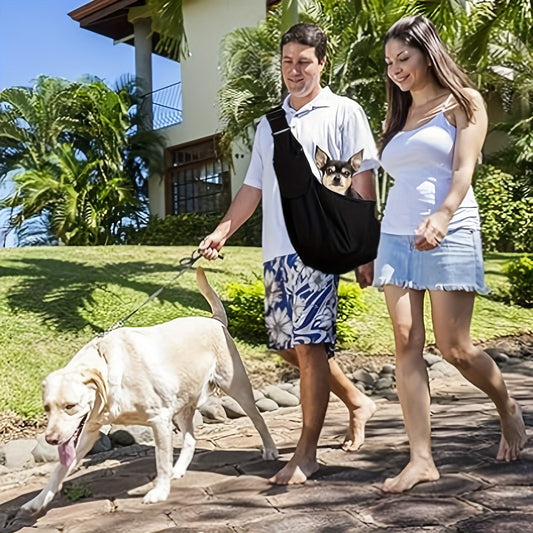
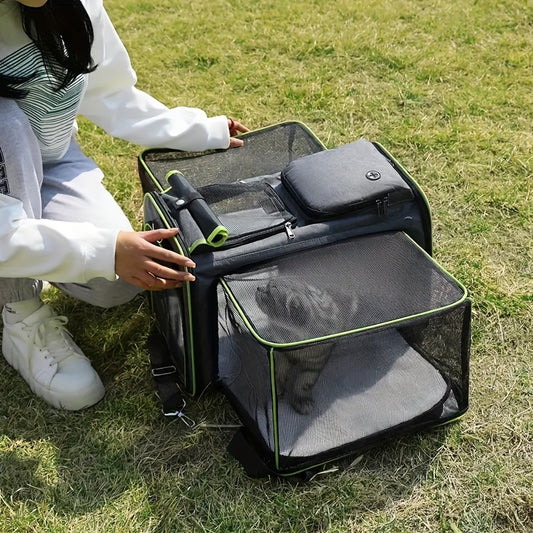
For small dogs, the pet carrier bag has many advantages, especially on short trips or on public transport. Light and practical, it's carried by hand or over the shoulder and keeps your pet close to you discreetly.
Likewise, the carrier basket remains ideal for walks or occasional trips. Some rigid models offer more support and ventilation, perfect when the journey lasts a little longer.
Travelling by car with your dog: safety and regulations
Hitting the road with a dog is no small matter. In the car, dog travel regulations set out a few essential rules. It's not just about comfort: car safety depends on good practice. Stopping the dog from moving freely around the vehicle greatly reduces the risk of accidents or injuries, for the animal and the passengers alike.
Various devices exist to keep the dog stable during sudden braking or turns. Besides the travel crate, several transport accessories can turn the car into a safe, comfortable space for the animal.
Find our cat carriers in this range.
The dog car seat and other accessories
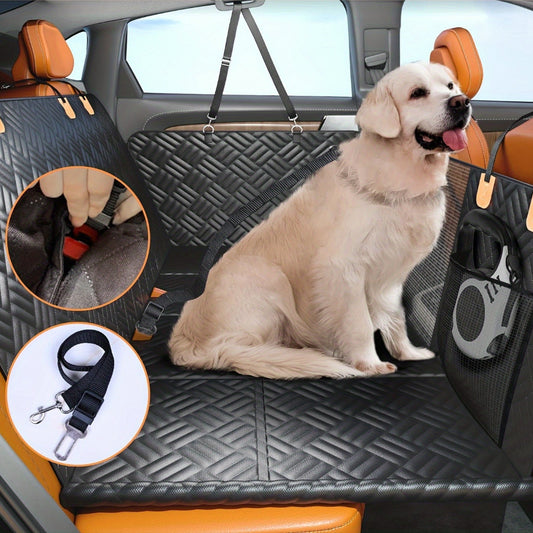
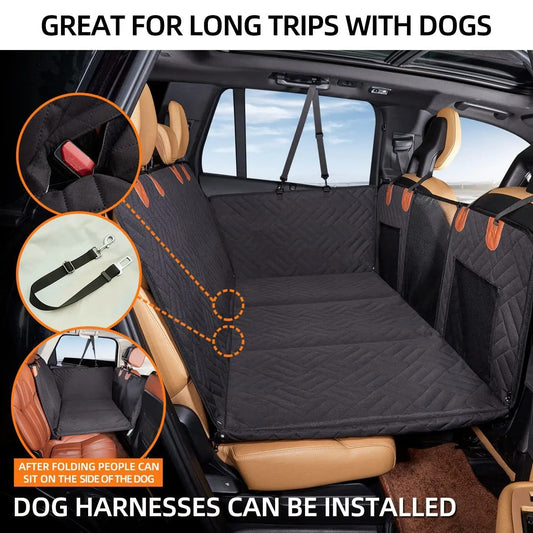
A dog car seat looks like a small armchair fitted with straps to attach the dog securely to the back seat. This system limits unwanted movement and protects the dog if you stop suddenly.
There are also specially designed harnesses that connect to seat belts, and divider nets that stop the dog getting into the front. A removable dog guard is often recommended if the dog travels in the boot. All these transport accessories play a part in both car safety and the driver's peace of mind.
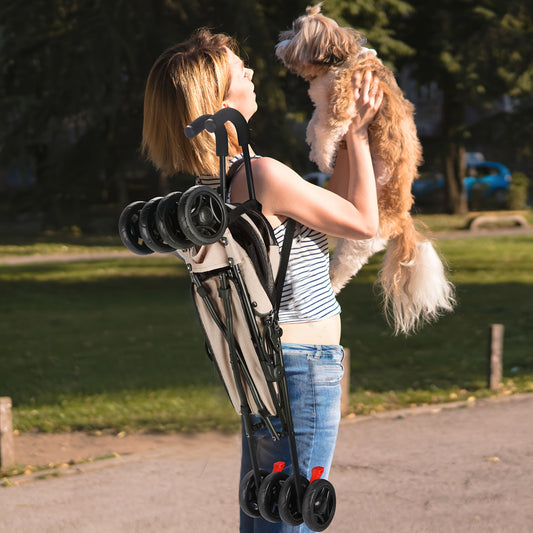
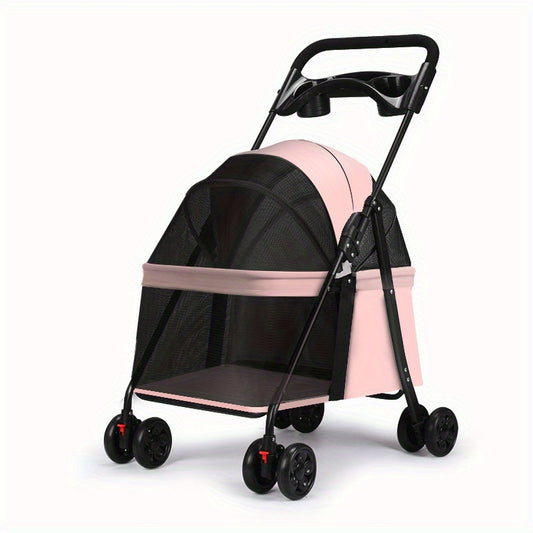
Find our dog prams in this range.
Among our dog harnesses and car restraints, several models include a seat belt to buckle in the car, with a headrest attachment or an elastic version.
A few simple rules for calm car journeys
Before setting off, it's best to get the dog used to its new space gradually, whether it's a cat carrier, an dog car seat or any other travel accessory. Short initial outings help the animal gain confidence.
During the journey, make sure to stop every two hours so the dog can stretch its legs, drink and relieve itself. Leaving a window slightly open ensures good ventilation, but never unsupervised: it could try to jump out or get its head stuck.
Find our dog car seats in this range.
Public transport and other ways to travel with your dog
Getting around isn't limited to the car. Bus, train, underground or plane: each operator has its own dog travel regulations, sometimes strict depending on the animal's size or the length of the journey. Getting into good habits is essential to avoid disappointments.
Sometimes, calling a pet taxi can be the ideal solution for getting around town or for vet emergencies. These experienced professionals handle all the logistics of having animals on board, often providing all the right equipment for the four-legged passenger's comfort.
Find our dog ramps for the car boot in this range.
How do you manage dog travel by train or plane?
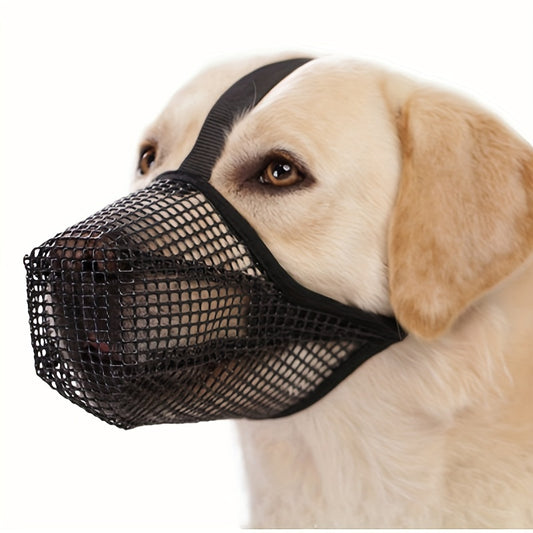
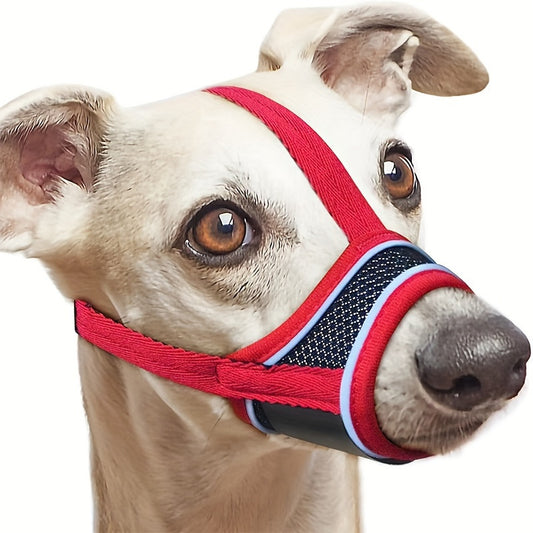
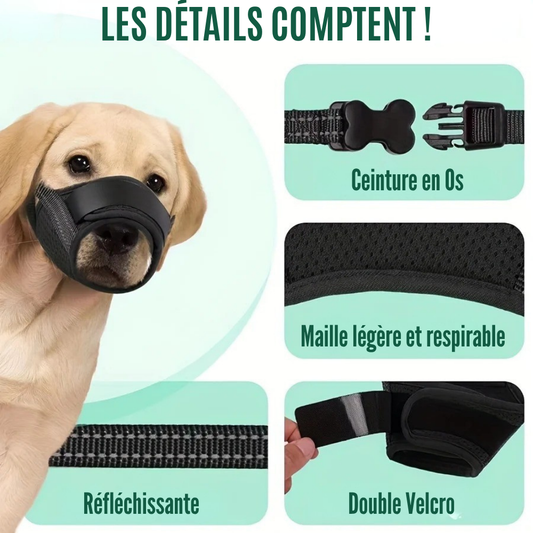
On trains, most operators require small dogs to travel in a pet carrier bag that's sturdy and ventilated. Larger dogs usually have to wear a muzzle and travel on a lead. Sometimes a specific ticket is required.
For these journeys, take a lead that's easy to hold in a crowd, for example from our dog leads with a comfort handle or double handle.
On planes, an approved cat carrier in the hold is compulsory for large breeds, while some small dogs can stay in the cabin in their pet carrier bag , subject to weight and size limits. Each airline recommends checking its pet travel policy carefully to avoid nasty surprises on the day.
Pet taxi: when should you consider it?
Calling a pet taxi makes things much easier for vet visits, house moves or holidays when no other transport option is possible. These specialist services, equipped with suitable travel crates and the right equipment (car safety accessories), look after the animal's comfort throughout the journey.
They're invaluable for people without a car or who'd rather hand the journey over to a professional. This option appeals for its flexibility and the often reassuring expertise of pet drivers.
Checklist: preparing your dog for the journey and equipping yourself wisely
For a smooth journey, careful preparation is essential. Adapting the equipment, checking local rules and meeting the dog's physical needs avoids plenty of surprises. On top of that, it's important to anticipate the emotional impact of travel, which can be stressful for dogs sensitive to changes in their surroundings.
Taking the time to locate service stations and pet-friendly rest areas, and checking the weather, lets you react quickly if needed. Every detail counts in reinforcing the sense of safety, for both the animal and the owner.
- Choosing a travel crate, cat carrier or pet carrier bag suited to the dog's size and temperament
- Make sure the animal's space is clean and comfortable (cushion, toy, water available)
- Check the essential documents (ID, vaccinations, vet certificate if needed)
- Check the dog travel regulations that apply to your chosen means of transport
- Equip the vehicle with car-transport accessories designed for the job: dog car seat, net, harness, dog guard
- Plan regular stops so the animal can relax
- Consider using a pet taxi for complicated journeys or as a last resort
Adapting your dog's transport to every stage of its life
Puppy, adult, senior: needs change with age and any health issues. A puppy won't have the same stamina or habits as a tired old dog. Think about adapting how you travel, adjusting journey times and choosing an easy-access cat carrier – it all adds to your dog's overall well-being.
For chronic conditions or special treatment, ask your vet how best to transport your dog – it keeps them safer. Ergonomic transport accessories reduce the risk of injury or discomfort and also help your dog recover quickly after a long outing.
Anticipating your dog's reaction to travel stress
Some dogs get anxious as soon as they sense a trip is coming. Learning to spot signs of restlessness or unease lets you step in quickly. Setting up the travel crate with familiar objects or using calming pheromones helps keep nerves down. The goal: safe dog transport.
Gradually getting your dog used to travelling helps it adapt in the long run. Play, treats or its owner's soothing voice make for a positive experience and make future trips even smoother.
Which accessories to choose for the season or destination?
A dog carriers in winter is a world away from a trip in the heat. In summer, focus on keeping cool with transport accessories that are well ventilated, cooling mats or sun protection if your dog has to wait a few minutes when you stop. In winter, bring a thick blanket and protection from the wind, and never expose your dog to icy draughts.
For those summer journeys, our cooling mats for dogs can go in the car or at your destination to give your dog a cool spot.
When your destination has different dog travel regulations , getting a compatible pet carrier bag or dog car seat in advance lets you travel with peace of mind, whatever the time of year.
Innovative solutions are emerging for safe dog travel
As longer trips become more common, many manufacturers are getting creative to improve safe dog transport. Between travel crates that fold away, carrier baskets with several uses and new breathable materials, every innovation has one aim: making life easier for dog and owner.
Some companies are also testing apps that find an available pet taxi nearby in real time, or book dedicated spaces on trains depending on the format chosen for the trip. Dog travel is gradually adapting to modern needs – another step towards greater comfort and an ever calmer experience.
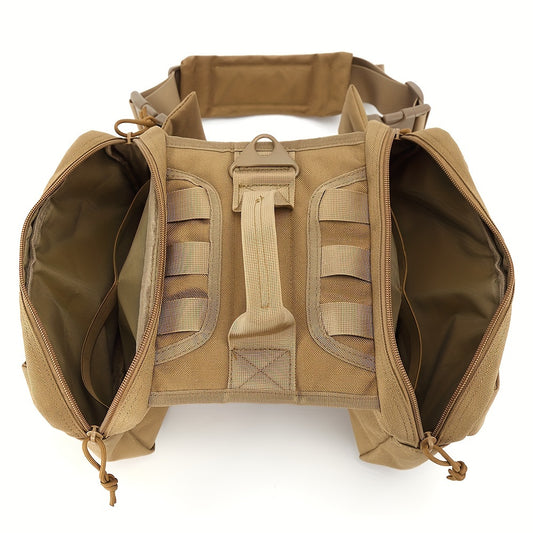
This range is divided into dog crate, dog crate, dog backpack carriers, dog carrier bag, dog car seat, dog pram, dog ramp and dog muzzle – each one meets a specific need. Along the same lines, you might also like cat carriers, cat carrier and cat pram . For everything else, head to our dog products.