Travelling with a cat: tips and tricks for a calm, stress-free journey
Travelling with your cat raises plenty of questions for pet owners. From choosing the cat carrier, the right bag or a comfortable basket, every detail matters to guarantee your cat's safety and avoid cat stress. Whether it's a short trip to the vet or a long trip with your cat, preparation is key to ensuring your cat's wellbeing. In this guide, you'll find all the essential tips for a smooth trip, from the best equipment to tricks for easing your cat's fear of the unfamiliar.
Why prepare your cat's journey carefully?
A trip often turns a cat's routine upside down. For many cats, simply stepping into a cat carrier causes apprehension, or even outright refusal. Preparation therefore has a direct impact on cat's comfort as well as its overall safety.
By anticipating your pet's specific needs, it becomes easier to limit cat stress during journeys. The right accessories, a few reassuring gestures and methodical planning help your cat cope better with these sometimes unsettling situations. You'll find the details in our cat carriers.
What to look for in the best cat carrier
With so many products in pet shops, finding the ideal accessory is anything but obvious. Yet your choice of cat carrier largely determines the success of a trip with your cat. Several factors need to be considered when buying.
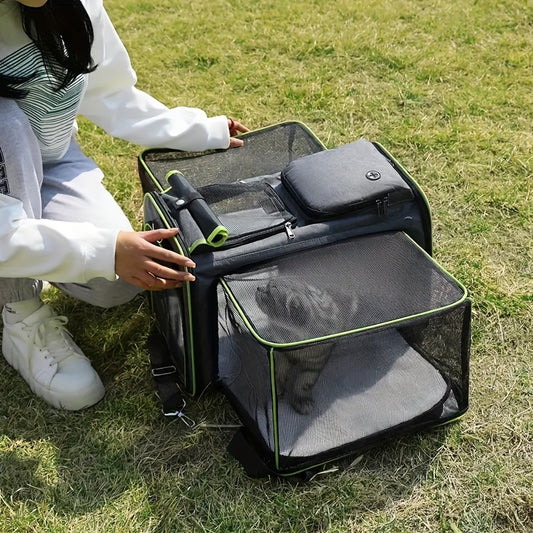
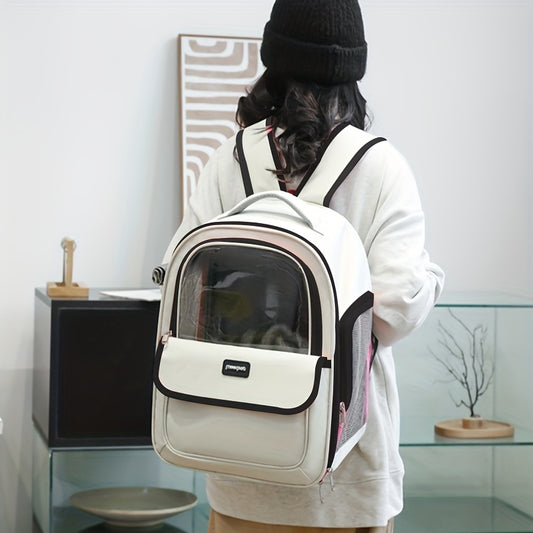
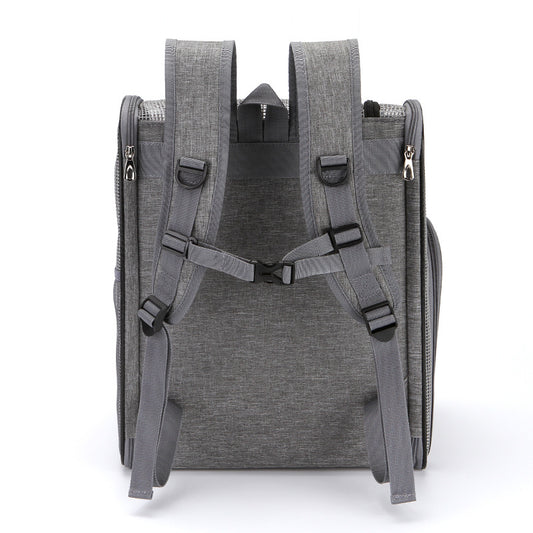
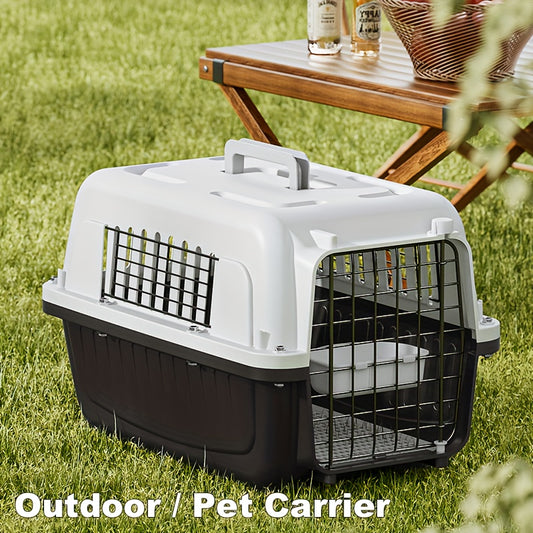
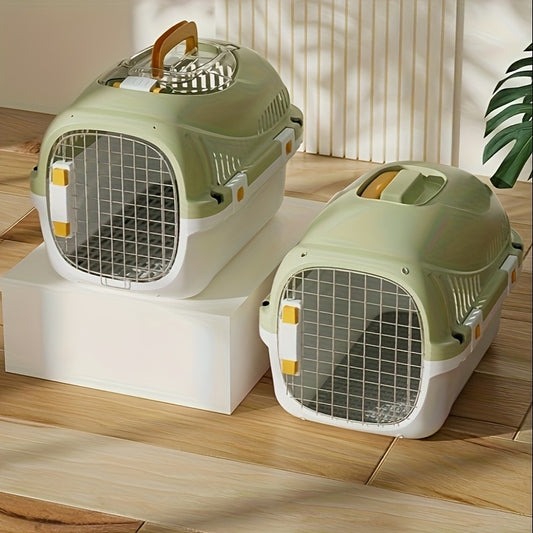
Between hard-sided crates, carrier baskets in wicker and soft carrier bags , each type has its own advantages depending on use. Taking time to weigh up the options helps you combine your cat's safety with ease of use for you. Find our backpack carriers in this range.
What size is best for your cat's comfort?
The size of the carrier or pet carrier bag should let your cat turn around and stretch out comfortably. A carrier that's too small can cause stress, while an oversized one doesn't protect enough against sudden movements during cat travel.
Choosing the right amount of space supports your cat's wellbeing during the journey. Models come in various sizes; pick one in proportion to your cat's build.
Why materials and ventilation matter
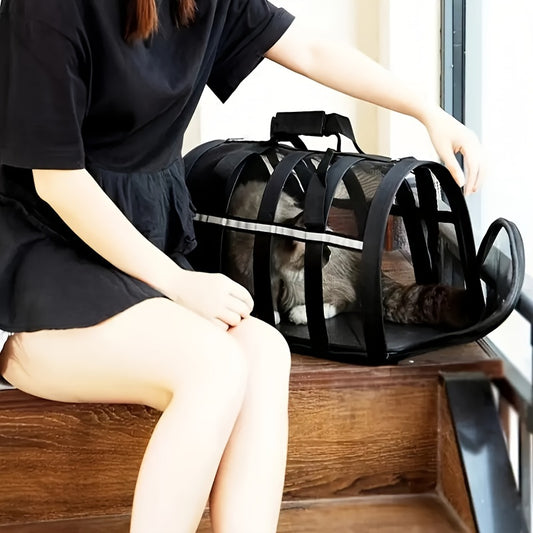
Beyond size, the material plays a key role. A good cat carrier has sturdy walls, a grille that provides optimal ventilation and, ideally, a top opening for easier access. Without ventilation, your cat may feel uncomfortable, especially in hot weather or on long trips.
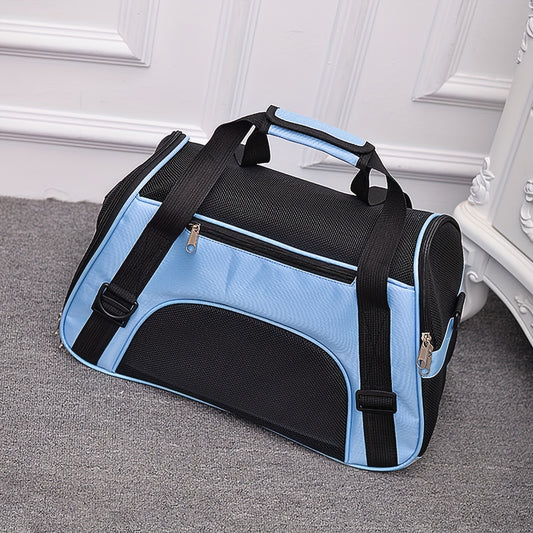
The carrier bags, for their part, focus on lightness and flexibility. Just make sure the fastenings are secure so your companion doesn't attempt an unexpected escape.
How do you get your cat used to travelling?
Gradual acclimatisation builds your cat's trust in the cat carrier. A cat used to this accessory from a young age will gradually develop less aversion and fear towards future journeys.
Without this familiarisation stage, it's common to see a cat resist, meow or try to run away when it's time to leave. Prevention is better than cure, so here's how to go about it calmly.
Simple exercises to get your cat used to its carrier
Leaving the cat carrier open at home regularly invites your cat to explore it away from any stressful situation. A few treats or a toy placed inside encourage its natural curiosity.
For this step, choose something your cat already loves from our plush cat toys, such as a plush mouse or squirrel.
A blanket carrying its scent also helps reassure your cat. These habits mean the cat carrier is less associated with forced travel or an unpleasant visit, such as a trip to the vet.
Managing your cat's stress during the journey
Even when prepared for the trip, a cat remains sensitive to new sounds, vibrations and smells. Placing the cat carrier on a stable surface, away from jolts, helps calm it. Some cats like being partly covered, with a light cloth over the carrier, so they feel less exposed.
Speaking softly, avoiding sudden movements and keeping a comfortable temperature all help calm things down. That way, your cat's wellbeing is preserved for the whole of cat travel.
Basket, bag or cat flap: which option for which journey?
While the cat carrier is one of the must-have accessories, there are other options for occasional use or short distances. The carrier basket, made from natural materials, combines good looks and easy handling without compromising your cat's safety. For short trips, some owners opt for the pet carrier bag, which is practical and light.
In addition, fitting a cat flap gives your cat more freedom around the house, reducing the need to carry it over very short distances.
When is a carrier bag the best choice?
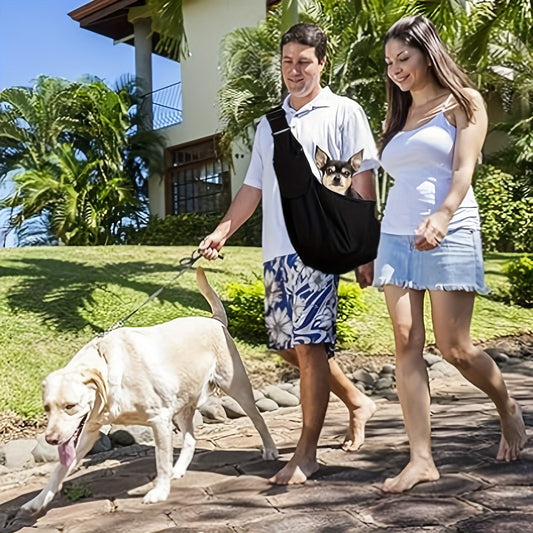
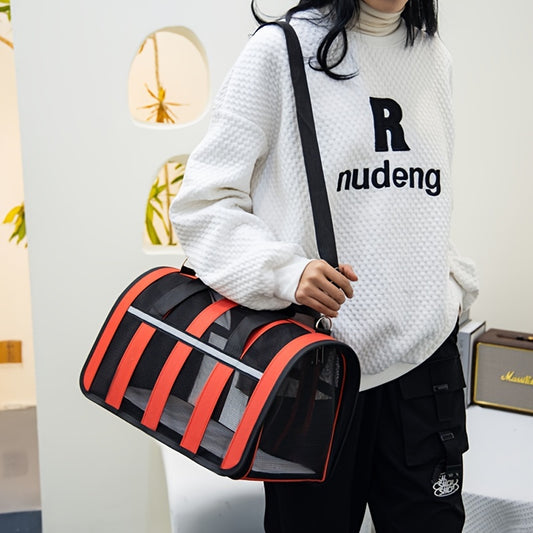
The pet carrier bag is particularly useful for confident cats and for short trips. Light, foldable and easy to carry, it's ideal for quick vet visits or short strolls around town.
However, this kind of cat travel offers less security than a rigid carrier on car or train journeys. It's still essential to check every time that the seams and openings are sturdy. Find our soft pet carrier bags in this range.
The carrier basket: a comfortable alternative
With its warm look, the carrier basket is better suited to calm cats already used to leaving their surroundings. Often made of wicker or plastic, it offers a middle ground between a bag and a carrier.
Always choose a carrier basket with a reliable closure system to avoid any unexpected escape in the middle of the street or the waiting room.
Travelling with a cat: what precautions to take?
Whether you're heading off on holiday or driving just a few kilometres, travelling with a cat takes careful planning. Cats rarely enjoy travelling as much as some dogs do, so you'll want to do everything you can to reduce cat stress.
Getting cat travel right depends as much on respecting its routine as on choosing the right equipment. A few simple habits help calm your cat along the way.
- Avoid feeding your cat in the hours before departure to limit travel sickness.
- Slip a familiar item (comfort toy, cushion, throw) into the cat carrier so it has familiar scents around it.
- Take regular breaks on long journeys to air the car and calm your cat.
- Setting the cat carrier on the back seat secured with a seatbelt, or on the floor for extra stability.
- Keep the cat carrier closed, even during breaks, unless you're somewhere secure (closed room, door shut).
Every cat reacts differently when travelling. Watch your companion's behaviour and adjust your approach to its reactions. Some will respond better to calming scents, while others will need complete silence throughout the trip with your cat.
If, despite all your efforts, cat stress persists, talk to your vet. Sometimes a temporary solution based on pheromones or natural calming aids can be considered to support your cat's wellbeing. Find our harness in this range.
Cat safety and current regulations
Ensuring your cat's safety when travelling isn't just a responsible gesture – in many situations it's also a legal requirement. On the road, the Highway Code requires that the animal can neither distract the driver nor escape in the event of an accident.
That's why the cat carrier is the absolute benchmark, especially by car, train or plane. It limits any sudden movement and gives your cat real protection in an emergency.
What rules apply in the car or on the train?
The cat travel always requires closed, secure equipment for the whole journey. Even over a short distance, holding your cat on your lap or letting it roam free poses real dangers, both for it and for the other passengers.
On most trains, pets now travel only in their carrier basket or approved bag. Always have a clean, working one ready before you set off.
What about travelling abroad with your cat?
To cross a border, your cat needs a European pet passport and all its vaccinations up to date. Check the specific rules of your destination country in advance to avoid nasty surprises on arrival.
Some transport companies also require carrier bags or cat carriers that meet strict standards. Check these conditions carefully when booking and adapt your approach to cat travel to the international context.
Supporting your cat's well-being after the journey
Back home, it's not unusual to notice unusual behaviour: restlessness, frantic exploring, hiding away or seeking more contact. These signs sometimes point to mild anxiety following cat travel.
Offering a calm moment, quickly giving back its familiar objects and respecting its pace complete a good post-trip routine. A cosy, safe corner will help it find its bearings more easily.
Giving it fresh water also helps it settle back into its habits, for example with a cat water dispenser set up in its usual spot.
Taking a careful approach to cat travel helps strengthen the bond of trust between your cat and you. By varying equipment to suit the situation, such as cat carrier, pet carrier bag, dog bed or cat flap, you can best match your cat's personality. Investing in its comfort, safety and wellbeing always pays off, for one-off trips and big adventures alike.
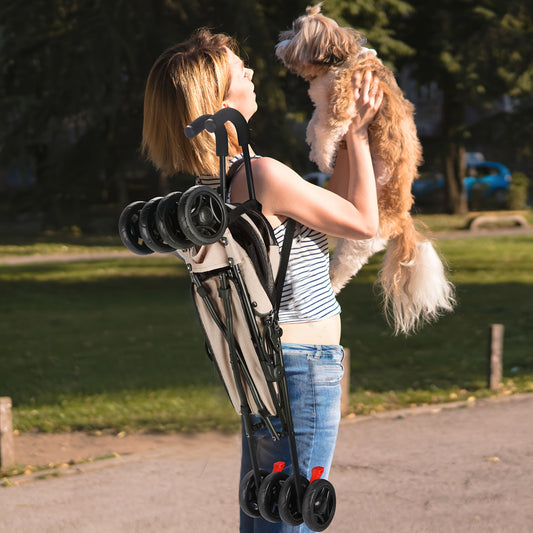
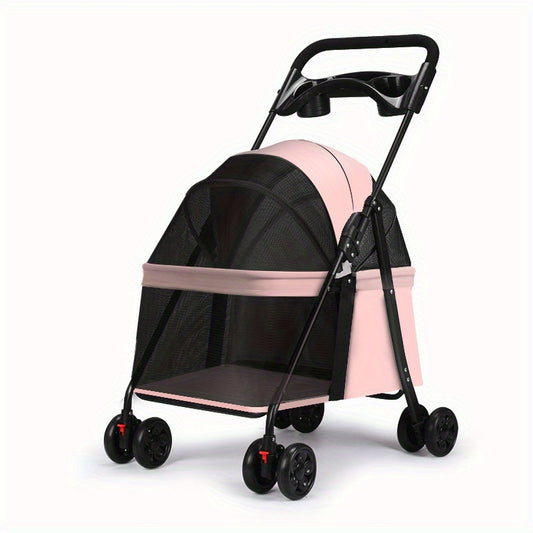
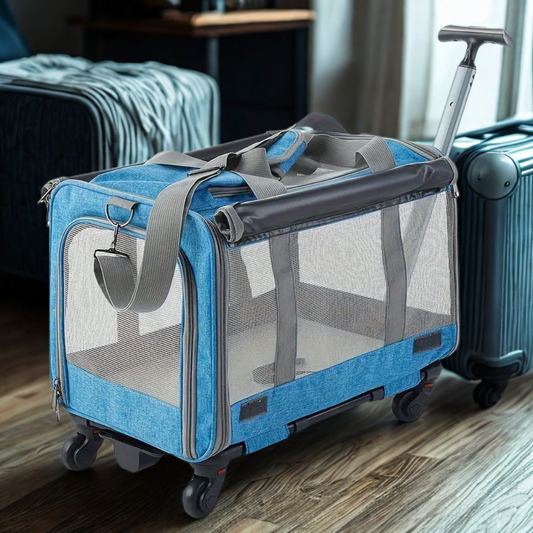
Depending on what you’re looking for, it’s split into cat carrier, cat backpack carrier, cat carrier and cat pram range. For the same need, also take a look at dog carriers, dog pram and cat carriers. Everything else for daily life is in our cat supplies.