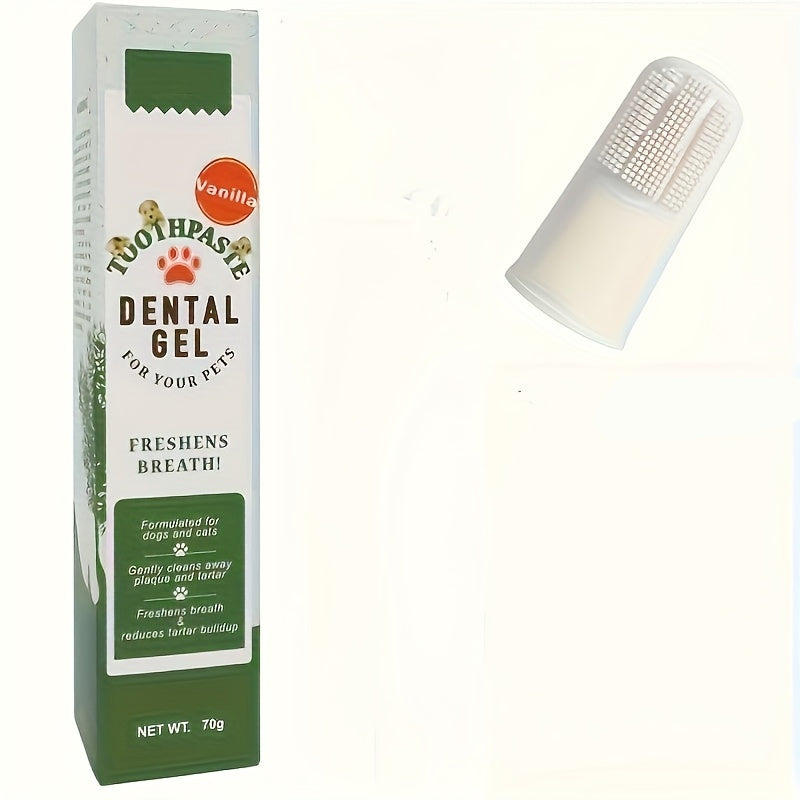
Skip to product information
1 of 9
Weekend Flash Saleuntil Sun 8 Nov−15% sitewide with codeEnter the code at checkout.

Cat toothbrush

Pet Toothbrush Kit

Fresh breath

In stock — Dispatched within 24 hours

Regular price £9.00 GBP
Sale price £9.00 GBP

He keeps his teeth as he gets older — tooth loss in dogs almost always starts there

His breath becomes bearable again — the smell comes from plaque, not from the stomach

You avoid descaling under anaesthetic — it's the most common procedure, and the more avoidable of the two

Plastic, silicone — product material

Colour :
In stock — Dispatched within 24 hoursEstimated delivery: 14 – 16 November
Visa Mastercard American Express Apple Pay Google Pay PayPal Shop Pay

14 days to change your mind

Send it back, no questions asked.

  1. Ordered 7 November
  2. Dispatched 9 November
  3. Delivered 14–16 November
Description
Dog toothbrush in plastic + silicone. Brushing is the only thing that really holds off tartar and a scale-and-polish under anaesthetic. Focus on the outer surfaces and the back molars, using vet toothpaste only.
Delivery and returns

Dispatch: your order leaves on the next working day, within 24 hours.

Delivery: allow 7 to 9 working days, tracking included.

Returns: 14 days to change your mind, whatever the reason.

View full details
  • Dispatched within 24hOrder before 6pm, sent tomorrow
  • Free delivery over £20Otherwise £4.90, delivered in 7 to 9 days
  • 14 days to change your mindNo-quibble returns
  • −10%: WELCOME10On your first order

Product specifications

Please note: les mesures indiquées sont celles de ce modèle, relevées sur le produit — pas une moyenne de gamme. C'est ce qui permet de choisir sur des chiffres plutôt que sur une photo.

Pet Toothbrush Kit
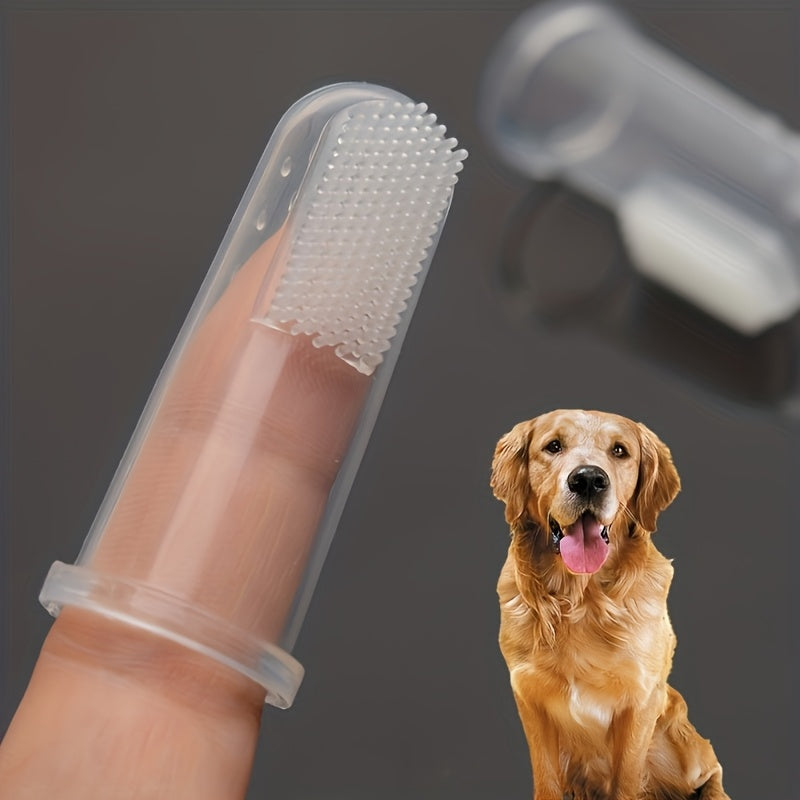
  • Material Plastic + silicone
  • Dimensions Finger brush 5.2 x 2.3 cm
  • Shape Finger glove with nubs + toothpaste tube
  • Care Rinse in warm water after each use, leave to air-dry
Kit Brosse à Dents pour Animaux — brosse doigt 5,2 x 2,3 cm

Dog toothbrush: tartar starts by age three
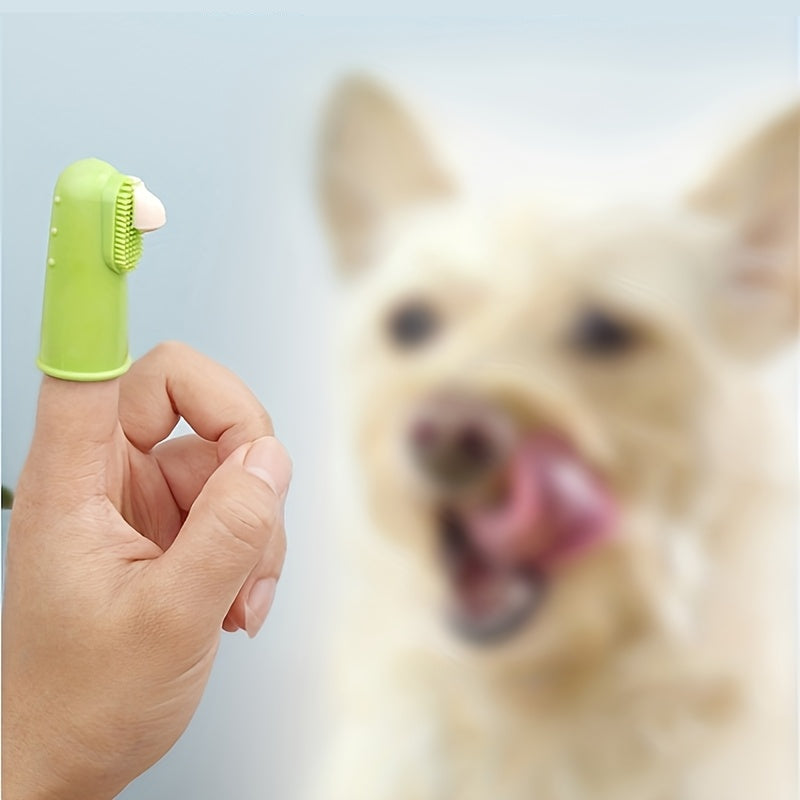
More than two thirds of dogs have gum disease before the age of five. It starts without any signs, then come bad breath, visible tartar, bleeding gums and finally a scale-and-polish under anaesthetic — sometimes with extractions.

Brushing is the only thing that really holds all this off, and it costs nothing once it becomes a habit. The right tool depends mostly on how much your dog will tolerate, and that's what sets apart our dog toothbrushes.

Kit Brosse à Dents pour Animaux en plastique + Silicone

Finger brush, double-headed or angled brush: which to use
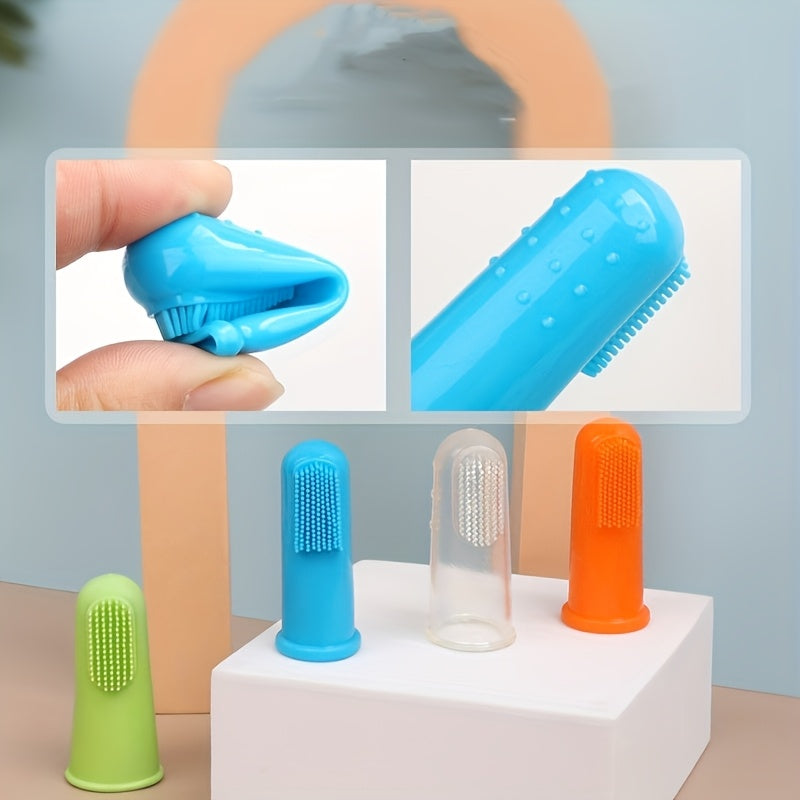
This one is made of plastic + silicone. Finger glove with nubs + toothpaste tube, finger brush 5.2 x 2.3 cm — a finger brush lets you start gently and feel what you're doing, while a long-handled brush reaches the back molars, where tartar forms first. Never use human toothpaste: fluoride and xylitol are toxic to dogs. Top up day to day with finger toothbrush + beef-flavour toothpaste.

  • Brush only the outer surface of the teeth – that's where tartar builds up
  • Prioritise the back molars – tartar always starts there
  • Never use human toothpaste – fluoride and xylitol are toxic to dogs
  • Start with a finger brush and a few seconds – force a dog toothbrush on them straight away and they'll refuse it for life
  • Aim for at least three sessions a week to see a real effect
  • Rinse and dry after use: rinse in warm water after each use, leave to air-dry
Détail de la matière : plastique + Silicone

Starting to brush without it turning into a battle

It all comes down to four steps: lift the lip and reward, touch a tooth with your finger, run the finger brush over a few teeth, then the brush. Allow two weeks at thirty seconds a day, no more.

Gums that bleed at the first brushing already point to gingivitis: see your vet before carrying on. And if your dog absolutely refuses any contact with their mouth, dental wipes still deliver at least some of the benefit.

A simple check: lift the lip and look at the tooth just behind the upper canine. That's where tartar shows up first. A yellow line at the base of that tooth means it's time to start — not in six months.

FAQ

How often should I brush my pet?

Two to three times a week for a short coat, every day during moulting or for a long coat. Regular brushing prevents knots, which can't be untangled without cutting.

What are the exact dimensions?

Finger brush 5.2 x 2.3 cm. Compare this measurement with your pet's build: with this kind of accessory, a poor fit shows straight away in use.

Does it pull on the skin?

Not if you work in small sections, in the direction of the fur, holding the base of the tuft. The pain almost always comes from pulling from the tip.

What is it made of?

Plastic + silicone. The material dictates the care, so check the specifications for the right way to wash it.