Dog toothbrush: a complete guide to good canine hygiene
Why brushing your dog's teeth is essential
Your dog's oral hygiene is an often-overlooked part of dog care. Yet brushing your dog's teeth regularly is essential to prevent plaque build-up, tartar and the risk of gum infections. Just like for us, a good routine of brushing supports the health and wellbeing of your companion.
A dog with a well-cared-for mouth enjoys fresher breath and lasting comfort. Skipping this care can lead to serious dental problems, such as tooth loss, pain or mouth infections. That's why investing in a suitable dog toothbrush is an essential step in their daily care.
The different types of dog toothbrush
There is a wide range of dog toothbrushes to suit every size and every need. The main types are:
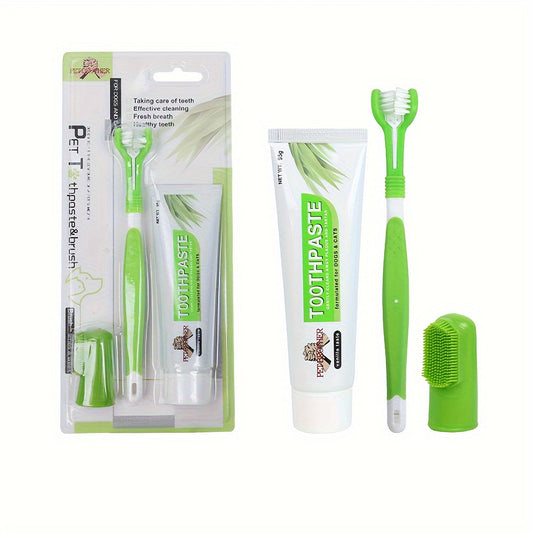
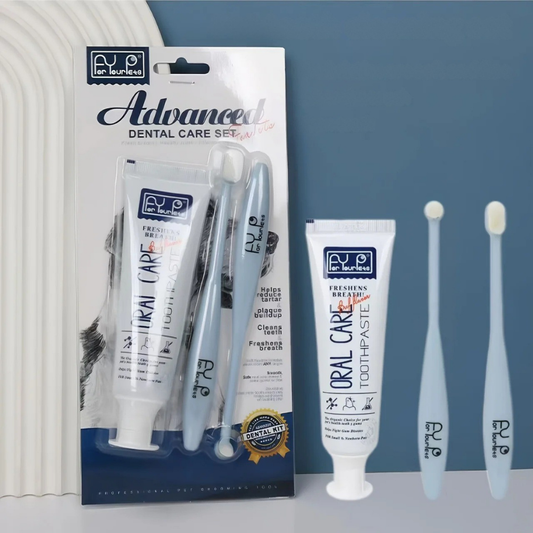
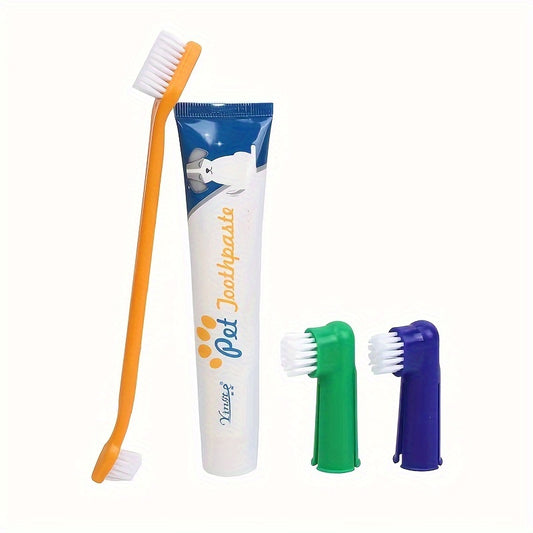
- The classic brush with soft bristles, similar to ours but designed for a dog's jaw.
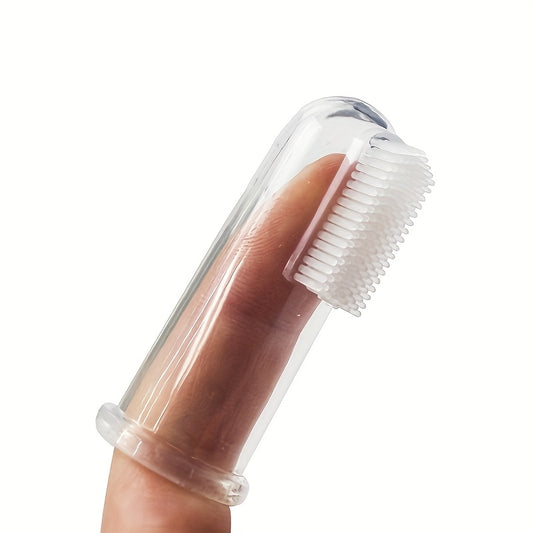
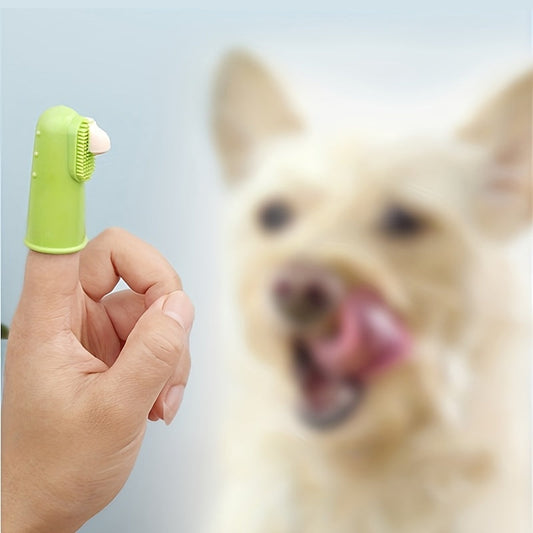
- The finger brush, a handy option that slips over your finger for better contact and easier control while brushing.
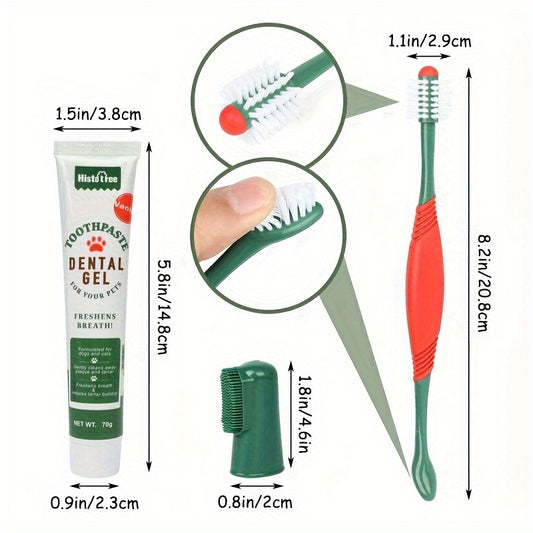
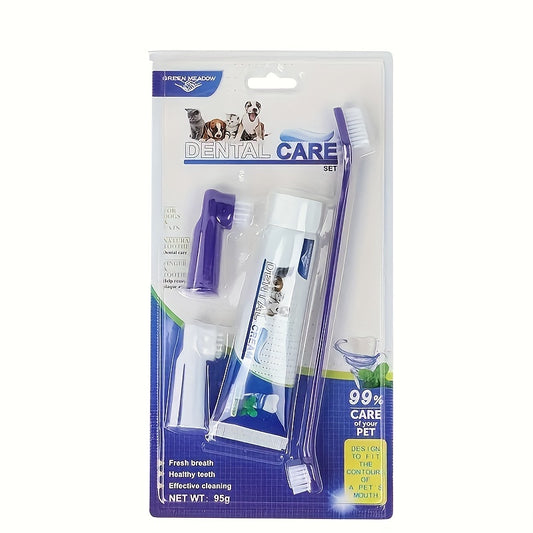
- The complete kits with a brush, a finger brush and sometimes a specially formulated toothpaste.
- Dual-ended models, with a small head for puppies and a larger one for big dogs.
Every dog is different, so it's important to choose a correct size and a soft tip to avoid irritating the mouth or gums. To round off the routine, take a look at our range of dog brushes, designed to make cleaning of the coat easier after meals and to keep up overall well-being.
Tips to get your dog used to tooth brushing
The tooth brushing can seem tricky at first, especially if your dog isn't used to it. Here are a few simple steps to introduce it gently and patiently:
- Start with gradual contact with the mouth, letting your dog sniff the brush.
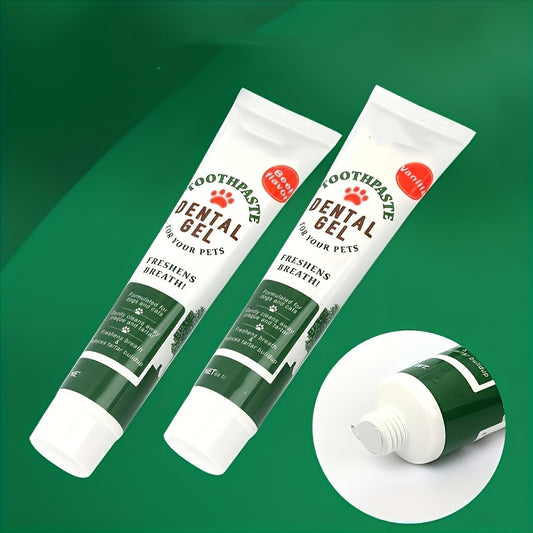
- Use a dog-specific toothpaste, never a human one, as it contains unsuitable ingredients.
- Keep sessions short at first – a few seconds is enough.
- Reward with suitable treats to make it a positive experience.
- Gradually increase brushing time, ideally several times a week.
Over time, your dog will get used to it, and this ritual will become a simple solution to limit plaque and keep strong teeth. To complete your care routine, also think about dog grooming, essential for all-round hygiene.
The benefits for health and well-being
The regular tooth brushing for your dog isn't just about fresh breath. It also helps prevent:
- The formation of tartar,
- Diseases of the gums,
- The spread of bacteria,
- The risk of pain and tooth loss.
A dog with good oral health finds it easier to chew its kibble, play and interact. Keeping the mouth clean also stops bacteria from spreading to other vital organs. For more hygiene care, also discover our dog wipes, handy for a quick clean after meals or walks.
Complementary products for complete hygiene
As well as the dog toothbrush, there are other accessories and products that help with better hygiene:
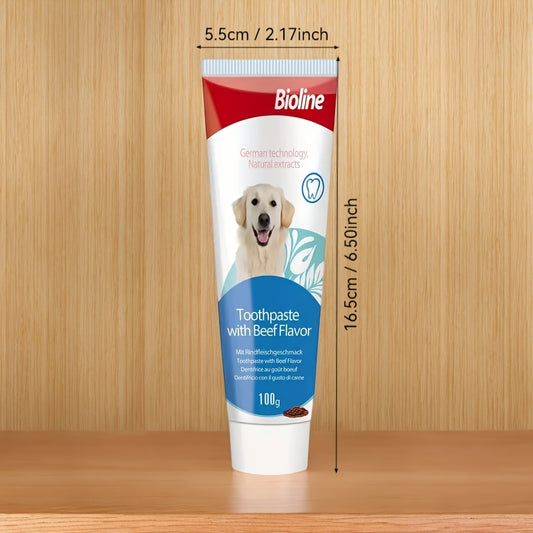
- The specially designed toothpastes for dogs, often flavoured to appeal to them.
- The dental treats that help reduce plaque and freshen breath.
- Alternatives such as chew treats, useful between brushes.
- Regular check-ups with the vet for a professional scale and polish if needed.
Good oral care is an integral part of daily care. Alongside these products, other accessories such as a dog drying robe or a dog recovery cone help complete your routine after a bath, an operation or a vet treatment.
Adapting care to your dog's age and size
A puppy should get used to having its mouth handled from an early age. Sessions should be gentle, quick and always linked to a positive experience. With an adult dog, you sometimes need to start again with patience and consistency. For large dogs, choose sturdy brushes, while small dogs need models with a slim head.
The right equipment also depends on the lifestyle and diet of your pet. Dogs fed on kibble tend to build up less tartar than those on wet food. Regular checks and the right equipment remain the key. If your dog's nails tend to grow long, also consider our dog nail clippers, a practical extra for their comfort.
When should you see a vet?
Even with a strict routine, some dogs develop tartar or have persistent bad breath. If so, it's best to see a vet. They may suggest a scale and polish or check for an underlying problem such as infection or a irritated gums.
Don't ignore these signs: a healthy mouth is directly linked to the overall well-being of your companion. For more technical care such as clipping or drying, also discover our range of dog clippers and dog blaster dryer.
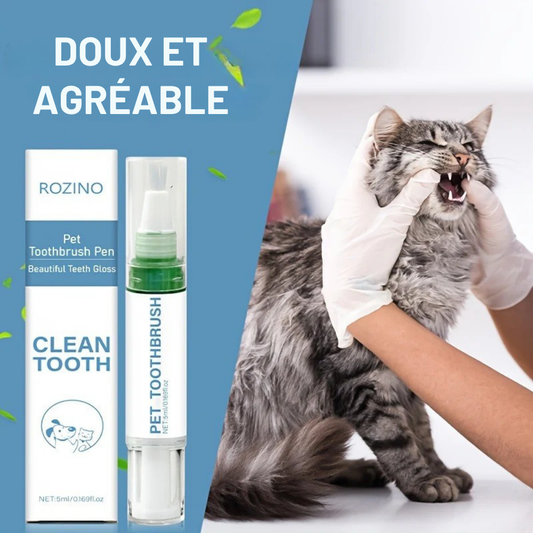
This choice is part of our dog grooming accessories range. For the same need, also take a look at cat toothbrush. And our dog accessories cover everything that isn't here.