Skip to product information
1 of 14
Weekend Flash Saleuntil Sun 8 Nov−15% sitewide with codeEnter the code at checkout.

Cat brushes & grooming

Self-cleaning cat grooming brush

Best sellerQuick clean

In stock — Dispatched within 24 hours

Regular price £17.00 GBP
Sale price £17.00 GBP Regular price £0.00 GBP

His eyes and ears stay clean — folds and the corners of the eyes are where irritation starts

You can space out proper baths — washing too often damages the film that protects his skin

No irritation — alcohol-free formula: a pet's skin is thinner than yours

PP plastic and stainless steel bristles — product material

Colour :
In stock — Dispatched within 24 hoursEstimated delivery: 14 – 16 November
Visa Mastercard American Express Apple Pay Google Pay PayPal Shop Pay

14 days to change your mind

Send it back, no questions asked.

  1. Ordered 7 November
  2. Dispatched 9 November
  3. Delivered 14–16 November
Description
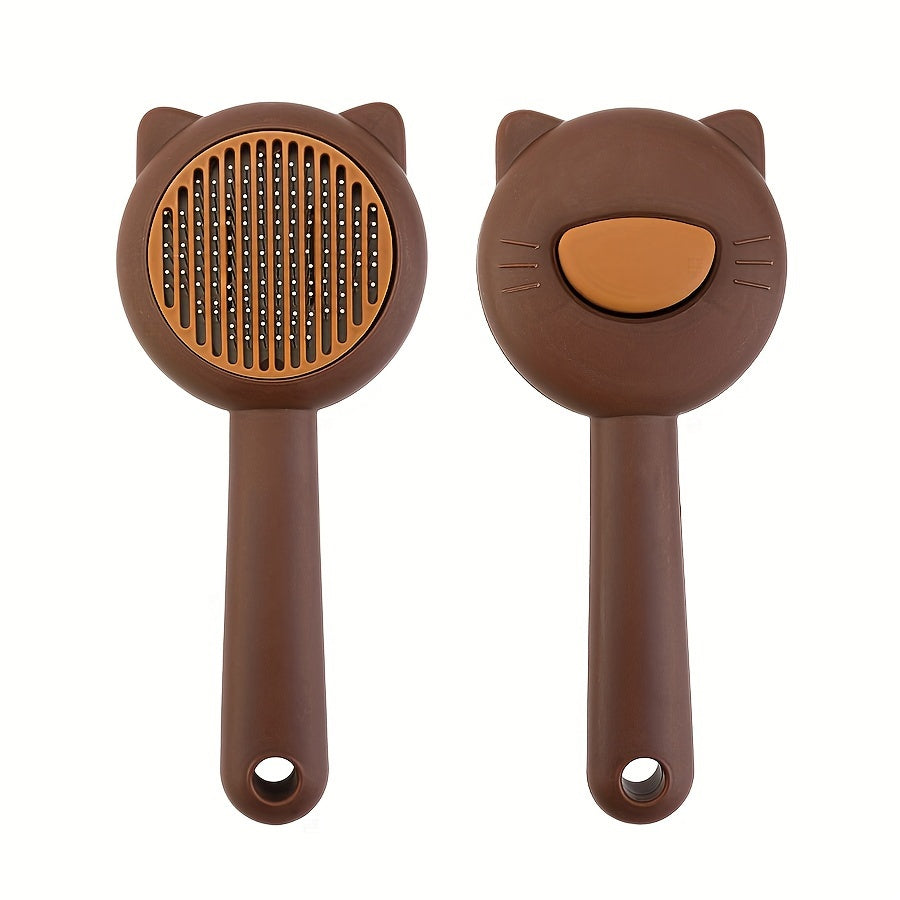
Cat brush in PP plastic with stainless steel bristles. Brushing removes loose hair before your cat swallows it while grooming, which cuts down on hairballs. On a long coat, it also prevents matting that pulls on the skin.
Delivery and returns

Dispatch: your order leaves on the next working day, within 24 hours.

Delivery: allow 7 to 9 working days, tracking included.

Returns: 14 days to change your mind, whatever the reason.

View full details
  • Dispatched within 24hOrder before 6pm, sent tomorrow
  • Free delivery over £20Otherwise £4.90, delivered in 7 to 9 days
  • 14 days to change your mindNo-quibble returns
  • −10%: WELCOME10On your first order

Product specifications

Please note: les mesures indiquées sont celles de ce modèle, relevées sur le produit — pas une moyenne de gamme. C'est ce qui permet de choisir sur des chiffres plutôt que sur une photo.

Self-cleaning cat grooming brush
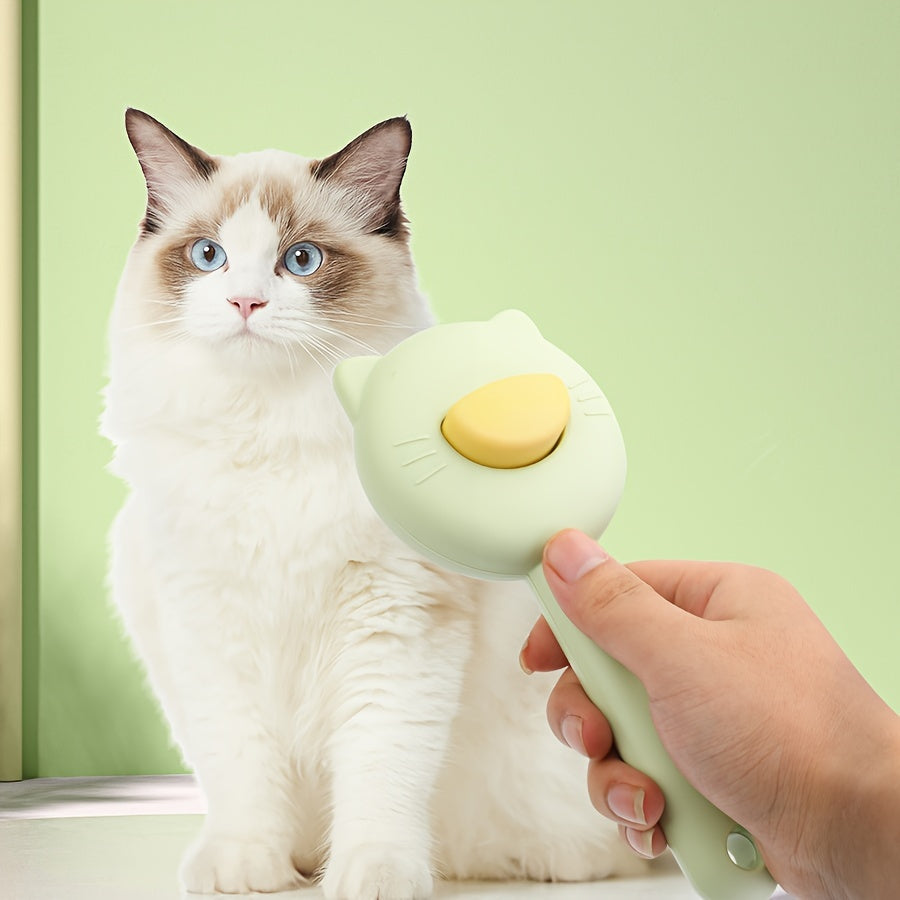
  • Material PP plastic with stainless steel bristles
  • Dimensions 19 × 8 × 5 cm
  • Shape Round head with cat ears and long handle
  • Care Wipe after use with a dry or slightly damp cloth
Brosse de toilettage auto-nettoyante pour chat, disponible en 4 coloris

Cat brush for moulting cats and hairballs
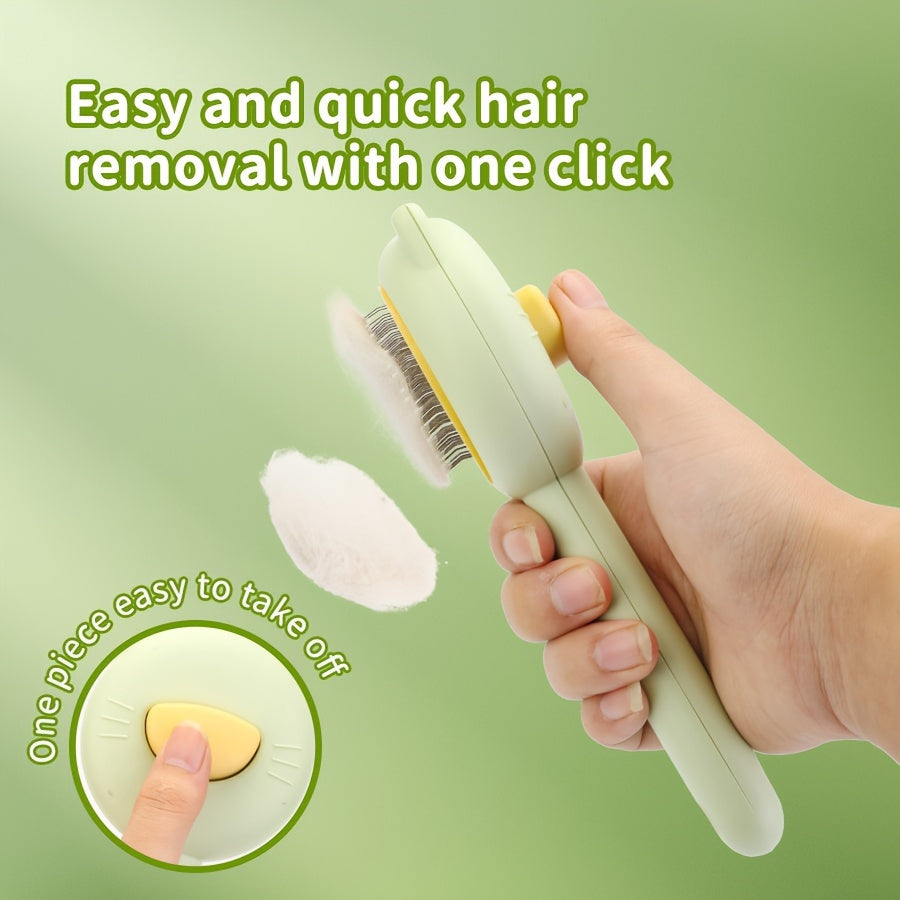
A cat swallows hair while grooming, and the more it sheds, the more it swallows. That hair forms balls that get brought up — or build up, and blockages from hairballs (trichobezoars) are not rare.

Brushing means removing that hair before it gets swallowed. On a long coat, it also prevents matting, which pulls on the skin with every movement. The right tool depends entirely on the coat, and that's how we sort our cat brushes and grooming.

Brosse de toilettage auto-nettoyante pour chat en plastique PP et poils en acier inoxydable

Slicker, curry brush or glove: which for which coat

This one is made of PP plastic with stainless steel bristles, with a round head, cat ears and a long handle. 19 × 8 × 5 cm — a short coat only needs a glove or a soft brush; a long coat or a dense undercoat needs a tool that reaches down without scratching the skin, which is much thinner than a dog's. Round it off with cat nail clippers with built-in LED light in spring.

  • Brush in the direction of the hair and in small sections, never with big sweeps
  • Brush a long coat every day, a short coat twice a week
  • Tease out knots by hand before brushing — pulling on a knot hurts and puts a cat off for a long time
  • Stop before they've had enough — a cat brush linked to a struggle never comes out again
  • Check the skin at the same time: scabs, fleas and patches show up when brushing
  • Clean the tool as you go: wipe after use with a dry or slightly damp cloth
Brosse de toilettage auto-nettoyante pour chat, visuel produit

How often to brush, and why it matters

A long coat needs brushing every day, a short coat twice a week, and twice as often during the spring and autumn moults. Short sessions beat one long one: a cat always gives a warning before it gets fed up.

A cat that suddenly stops grooming and becomes matted within a few weeks is almost always in pain somewhere — teeth, arthritis, excess weight. That's a reason to see the vet. In spring, a flea comb is a useful addition to brushing.

One sign to watch for while brushing: tiny black specks at the base of the hair that turn red on damp cotton wool. That's flea dirt, and it means an infestation even if you haven't seen a single flea. Brushing is the best time to spot it.

FAQ

How often should I brush my pet?

Two to three times a week for a short coat, every day during moulting or for a long coat. Regular brushing prevents knots, which can't be untangled without cutting.

What are the exact dimensions?

19 × 8 × 5 cm. Check this measurement against your pet's build: with this kind of accessory, any mismatch shows straight away in use.

Does it pull on the skin?

Not if you work in small sections, in the direction of the fur, holding the base of the tuft. The pain almost always comes from pulling from the tip.

What is it made of?

PP plastic with stainless steel bristles. This composition determines the care: check the specifications for the right washing method.